What began as reporting on a Singapore cloud company has become a political crisis touching the White House, the Commerce and Treasury departments and Congress, after U.S. intelligence reportedly concluded that a woman close to Nvidia's chief executive was a Chinese intelligence asset.
World Politics
Overview
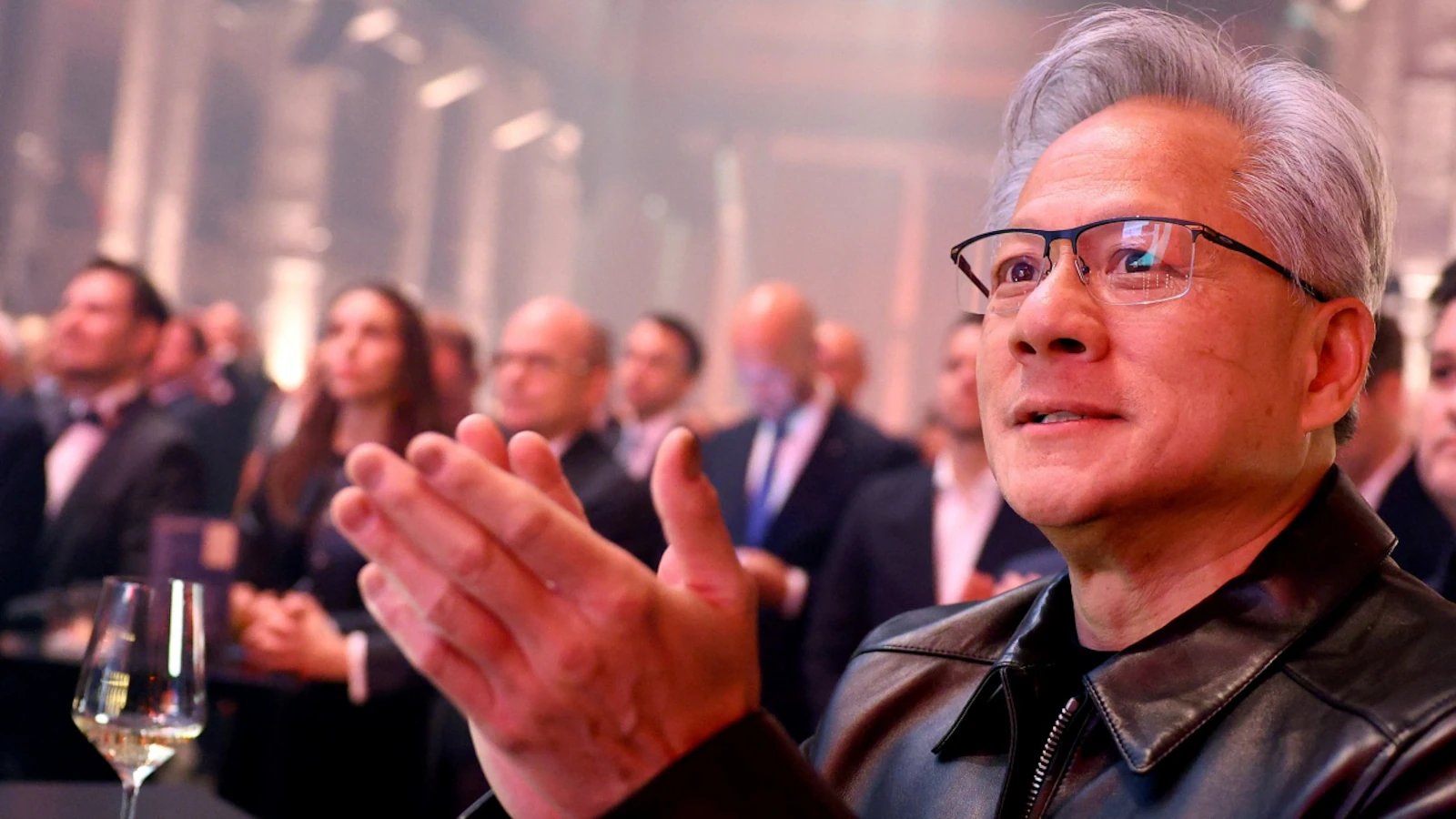
In less than a week, the most valuable company in the world has gone from a symbol of American technological dominance to the centre of a national-security scandal. U.S. intelligence agencies reportedly believe that Alice Huang, a former executive at the Singapore-based cloud company Megaspeed, was an asset of China's Ministry of State Security, and that she had a close relationship with Nvidia co-founder and chief executive Jensen Huang. The two are not related. Nvidia's independent directors have opened an internal investigation, the FBI is examining whether Huang was targeted by a foreign intelligence operation, and the company has shed roughly $430 billion in market value over two trading sessions.
The affair has quickly escaped the business pages. It now raises pointed questions about what President Donald Trump knew before taking Huang with him to Beijing in May, why the Commerce Department has not blacklisted Megaspeed despite pressure from other agencies, and whether the administration's loosening of AI-chip export controls to China was made with full knowledge of the intelligence. Many of the central claims rest on anonymous sourcing in The New York Times, Axios, The Information and the Financial Times, and Reuters has said it could not independently verify several of them. Those caveats matter, and they run through everything that follows.
Background: Megaspeed and the Chips That Went East
The story has its roots in reporting by The New York Times last month that U.S. authorities were investigating Alice Huang and Megaspeed. According to the Times, as summarised by CBS News, Megaspeed bought more than $4.8 billion worth of Nvidia chips over two years. Two law-enforcement sources told CBS that the Justice Department's National Security Division is investigating the company for possible violations of U.S. export restrictions on advanced AI chips. Other outlets have reported larger figures: Reuters, summarising the wider coverage, wrote that the relationship allegedly helped enable at least $7.5 billion in Nvidia chip shipments to China. The gap between the two numbers has not been explained, and they may measure different things.
According to The Information, Alice Huang and relatives built a network of companies in China and Singapore that helped move about 240,000 Nvidia H100, H200 and some A100 processors into China, with some reportedly ending up at Alibaba, Tencent and smaller Chinese AI laboratories. Megaspeed is said to be linked to Century Litong, a Chinese firm that held preferred Nvidia cloud-partner status. Her current whereabouts are unknown. China's foreign ministry has rejected the espionage allegations, with spokesperson Guo Jiakun calling the spy narrative "entirely baseless."
The backdrop is a long-running fight in Washington over how many of America's most advanced chips should be sold to China. The Commerce Department cleared about ten Chinese firms to buy Nvidia's H200 chips in May, according to Axios and the Times, and some of those approvals came before officials received a warning about Huang's relationship. Separately, Reuters reported this week that procurement records show Northwestern Polytechnical University, a Chinese institution on the U.S. export blacklist because of its ties to the People's Liberation Army, bought two H200 chips for about $123,000 through an intermediary in October.

Key Developments
The crisis broke into the open over the weekend of November 7 and 8, when Nvidia's board announced an independent investigation overseen by a committee of independent directors and outside counsel. The board later hired Joon H. Kim, the former acting U.S. attorney for the Southern District of New York, to lead it. In a statement, the board said it had no reason to believe that company secrets or U.S. national security had been compromised. A company spokesperson, John Rizzo, added: "We trust that if we were the target of a genuine threat, the U.S. government would have notified us."
On Sunday, Huang sent a message to employees admitting to an affair and apologising to his wife and children, without naming the woman involved. "There is no excuse for what I did. I am deeply sorry," he wrote, according to CBS News, adding that he would cooperate fully with the investigation and remained committed to Nvidia and to U.S. national security. On Monday he apologised to senior executives at a closed-door meeting and by Tuesday was back holding meetings at the company's headquarters. CNN reported on Wednesday that the board was discussing Huang's future; no decision has been announced.
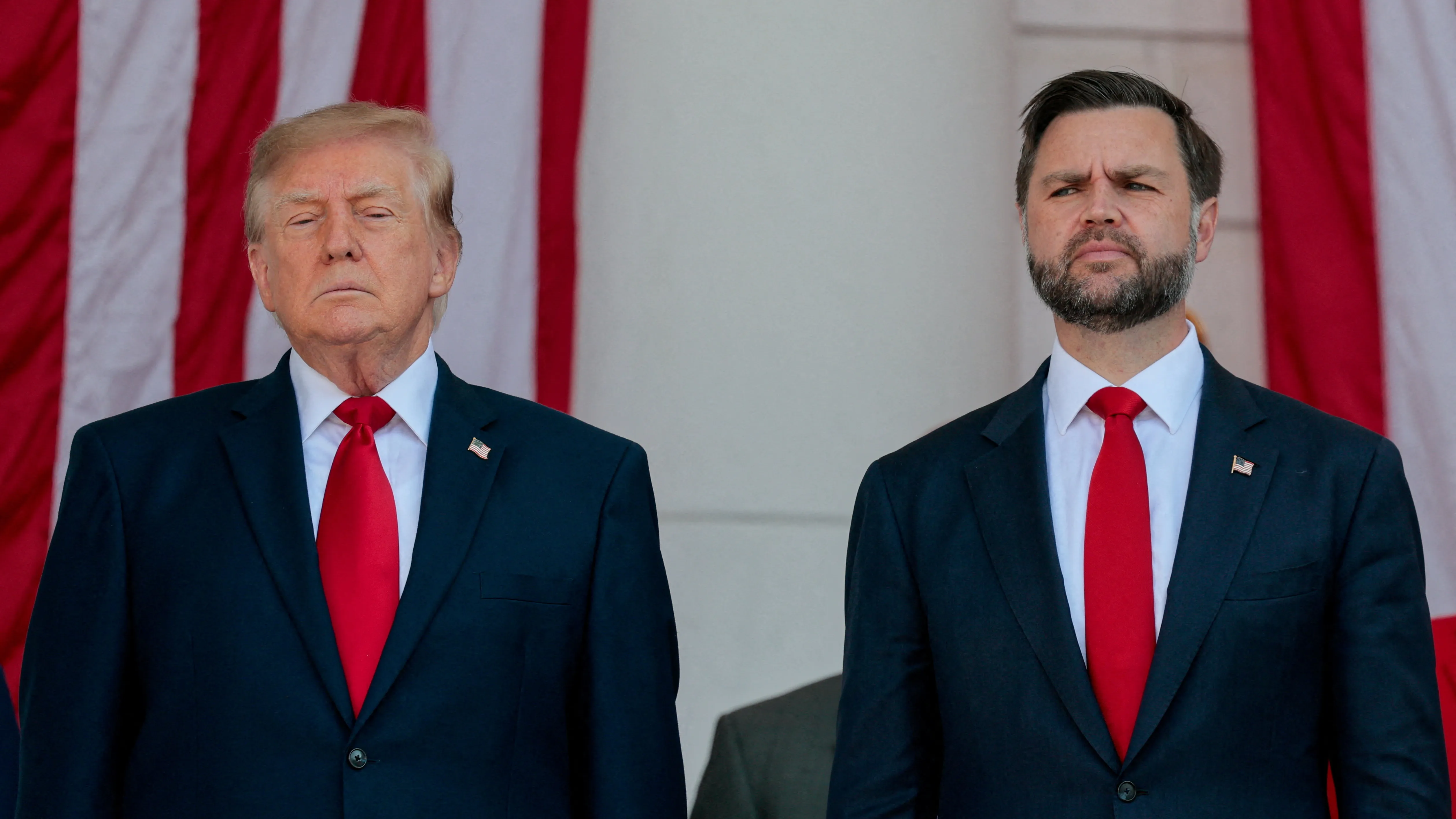
The political dimension sharpened on November 9, when The New York Times reported that Secretary of State Marco Rubio had briefed Trump aboard Air Force One in May about U.S. intelligence on Huang's involvement with the woman, which the paper described as at least the second time in seven months that Trump had received such information. A White House official disputed the account. Trump himself told reporters that he had not heard about the relationship before bringing Huang to Beijing, that Huang had told him by phone he had "absolutely no idea" the woman was a spy, and that he believed him. Trump called Huang a "very high-quality person" and said the FBI was also looking into the matter. Rubio declined to comment, describing it as an "internal corporate matter."
On November 10, Axios reported that Commerce Secretary Howard Lutnick had received a highly classified memo about the relationship, reportedly overseen by Rubio, which claimed Alice Huang had been recruited by the Ministry of State Security. Reuters said it could not verify the report. A day later, Axios reported that Treasury Secretary Scott Bessent had confronted Lutnick in a post-midterm Situation Room meeting over why Megaspeed had not been added to the Commerce Department's Entity List, and that Lutnick replied he would "look into it." The Commerce Department denies that the confrontation took place. According to the same reporting, Commerce Undersecretary Jeff Kessler was repeatedly warned about Megaspeed but deferred to Lutnick, and some sources claim Lutnick spent the past year resisting efforts to sanction the company, partly over fears of escalating trade tensions with Beijing. The Financial Times has separately reported that several U.S. agencies wanted Megaspeed blacklisted but that Commerce delayed the move. Commerce has reportedly not added any company to the Entity List in more than a year.
Reactions
Unusually for Washington in late 2026, the criticism has been bipartisan. Republican Senator Kevin Cramer of North Dakota, a member of the Senate Banking Committee, which has jurisdiction over legislation that could restrict Nvidia's chip sales to China, told Politico on November 10: "I just think he's got to go." Cramer argued that the affair left Nvidia exposed to blackmail and that the risk of coercion was reason enough for Huang to step aside, even though it remains unclear whether the woman was in fact a spy. He described the board's inquiry as insufficient.
Senate Democratic leader Chuck Schumer, whose party will take control of both chambers of Congress in January after last week's midterm landslide, demanded answers from the administration and called for tighter export controls on chips bound for China. With Democrats about to hold subpoena power, the episode looks likely to become an early oversight target in the new Congress, touching on Lutnick's handling of the Entity List, the May trade mission to Beijing and the broader decision to license H200 sales.
The affair also lands amid other strains in the administration's national-security team. Bessent himself was recently moved from his Washington home to a military base after Iranian threats against his life, according to The New York Times, and the reported clash between Treasury and Commerce feeds a wider picture of internal disagreement over how hard to push China while the war with Iran continues to dominate Washington's attention.
Markets have delivered their own verdict. Nvidia's shares, roughly flat for the year before the news, have fallen about 9.5 percent since the story broke, according to Reuters, wiping some $430 billion from its market capitalisation. Investors were already uneasy about whether the vast spending on AI infrastructure will pay off, and the prospect of leadership turmoil at the company at the centre of that boom has added a new layer of risk.

What It Means and What's Next
Several distinct questions are now tangled together, and they should be kept apart. The first is whether Alice Huang was in fact a Chinese intelligence asset, which remains an allegation attributed to unnamed U.S. officials and denied by Beijing. The second is whether Nvidia chips were illegally diverted to China through Megaspeed, which is the subject of the reported Justice Department inquiry. The third is whether Jensen Huang's personal relationship compromised Nvidia or U.S. security; the company's board says it has seen no evidence of that, and Huang has admitted only to infidelity. The fourth, and the most politically explosive, is what senior officials knew, and when, and whether that knowledge should have changed decisions on export licences and the composition of the May delegation to China.
In the coming days, attention will focus on Nvidia's board and whether it decides Huang can remain as chief executive while the investigation proceeds. In Washington, the pressure on Lutnick to explain the Megaspeed delay is likely to intensify, and calls for the company to be added to the Entity List will grow louder. Lawmakers from both parties may push legislation tightening chip exports, an idea that has circulated for months but now has a vivid case study behind it. Once Democrats take over committees in January, hearings and document requests appear likely, and the question of Rubio's reported briefing on Air Force One could become a test of the White House's account.
For U.S.-China relations, the timing is awkward. The Trump administration has spent the year trying to stabilise ties with Beijing through trade deals and summits, while the Iran war has absorbed military and diplomatic bandwidth. A scandal suggesting that Chinese intelligence may have reached into the leadership of America's most strategically important technology company, and that warnings may have been set aside for the sake of trade, threatens to harden attitudes in Congress just as the administration's own political standing has been weakened. However the investigations conclude, the affair has already reopened the debate over how much of America's AI hardware advantage it is willing to sell to its chief rival.
Published By | News Editor