Written By | BK Mugizi
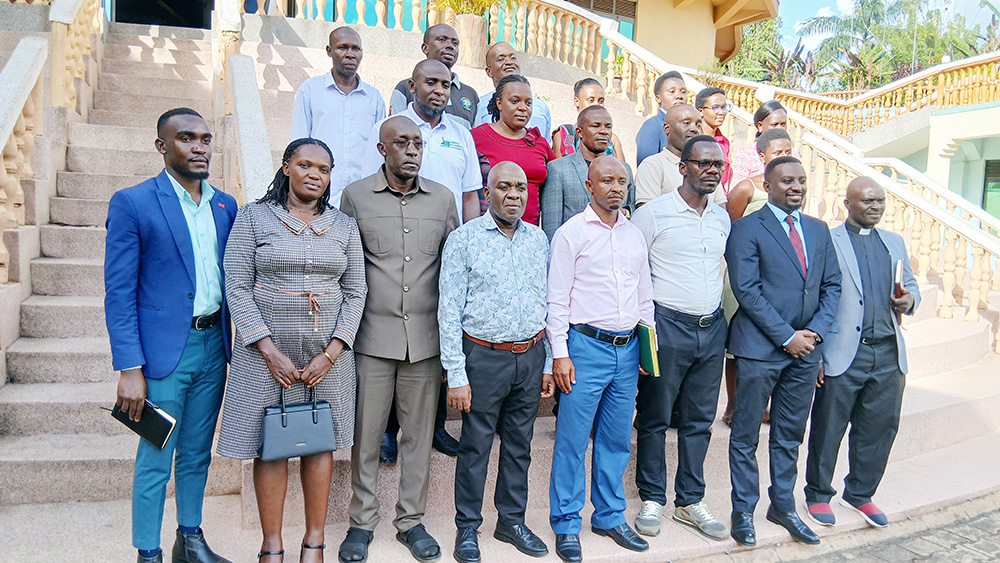
Some of the participants posse for a group photo after the meeting photos
BUSHENYI
Residents of Bushenyi District have urged Members of Parliament in the 11th Parliament to reject the proposed Protection of Sovereignty Bill, 2026, saying it is unfair and could "suffocate" Ugandans if passed into law.
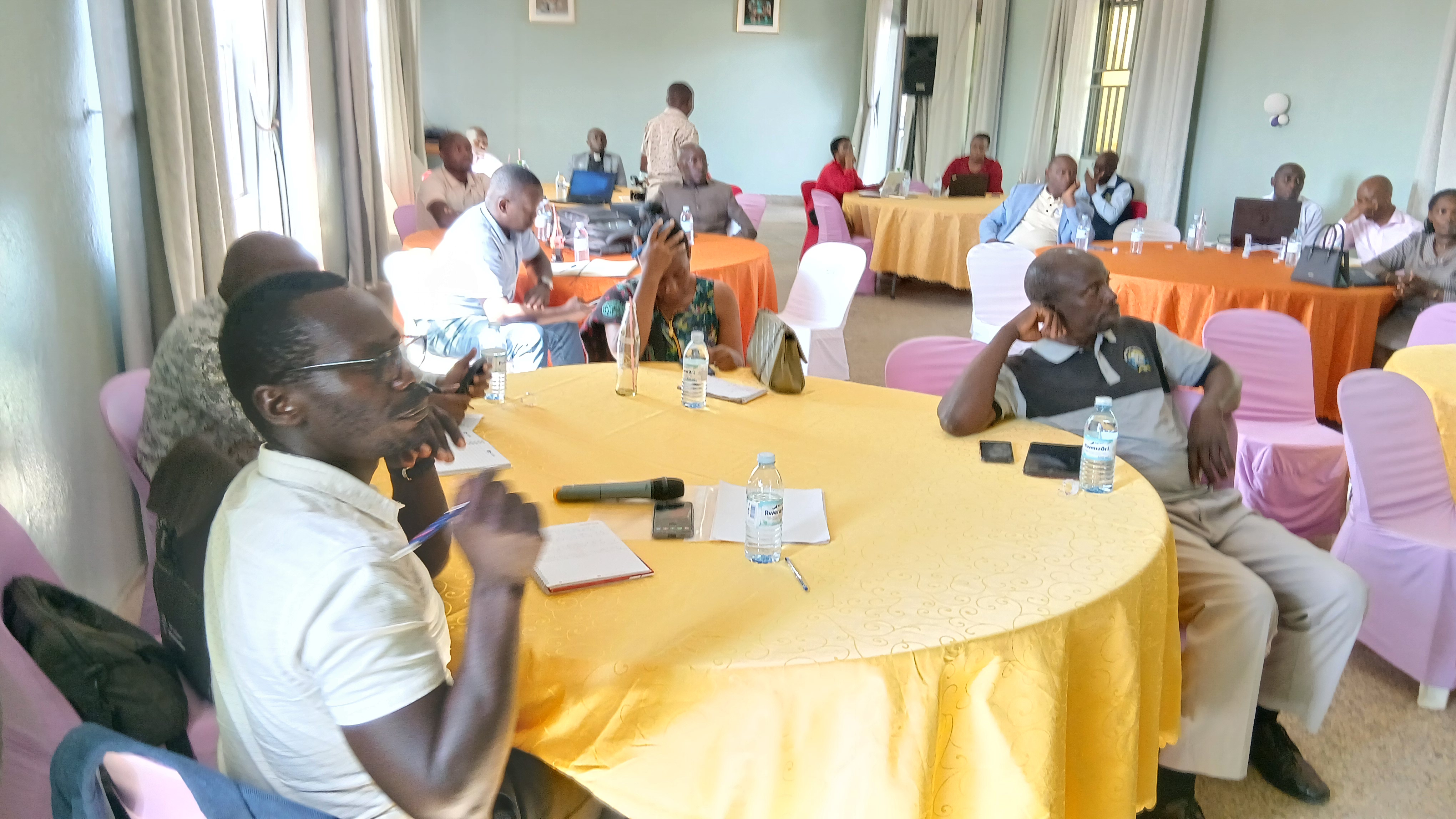
The concerns were raised during a stakeholder dialogue organised by the Western Ankole Civil Society Forum (WACSOF) at WESREC Hotel in Ishaka Town on Thursday.
The meeting brought together religious leaders, civil society actors, local government officials, student representatives, and members of the public.
Participants agreed to petition Parliament and warned that they could stage a protest march from Bushenyi to Kampala if their concerns are not addressed.
Threat of Protest
Stakeholders said they are ready to march physically to Parliament to express their opposition to the Bill.
Pison Mugizi, chairperson of a pressure group, Make Bushenyi Great Again (MBUGA), questioned the timing and necessity of the proposed law, saying Uganda already has constitutional provisions on sovereignty.
"We got our independence in 1962 and strengthened our Constitution in 1995. Why are we panicking about sovereignty now?" Mugizi asked.
He cited Article 1 of the 1995 Constitution, which states that all sovereignty belongs to the people of Uganda and is exercised through democratic processes such as elections. He argued that this already provides enough legal protection.
Legal Concerns Raised
Kenneth Oine, a lawyer from Oine and Nuwagaba Company Advocates, said existing laws already cover many of the issues the Bill seeks to address.
"Why the rush? The timing does not allow enough public input. While protecting sovereignty is important, the contents of this Bill raise more questions than answers," Oine said.
He added, "We already have enough laws to protect our country. We do not need this law. It is bad for the country, bad for the economy, and affects everyone from leaders to ordinary citizens, including boda boda riders and farmers."
Health Sector Concerns
Health sector representatives warned that the Bill could disrupt essential services, especially those that rely on foreign funding.
Norbert Gumisiriza, coordinator of the Bushenyi HIV Network, said many health facilities depend heavily on external support.
"This Bill may discourage donors, and that will directly affect service delivery. Government has not fully filled the gaps currently supported by foreign aid," he said.
He urged the government to handle specific concerns directly rather than introducing broad restrictions that could affect millions of people.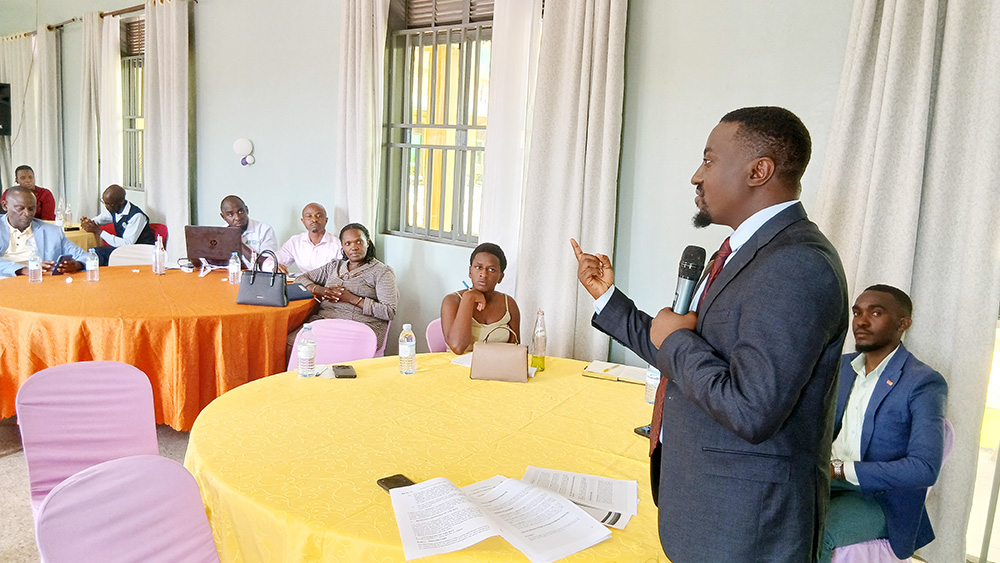
Counsel Kenneth Oine speaking to the Participants about the bill
Concerns Over Targeting Civil Society
Dr Innocent Muramuzi, a lecturer at Valley University of Science and Technology, said the Bill appears to target opposition actors and civil society organisations.
"This is a bad and unfair proposal. MPs should explain why they want this law passed," he said.
Call for Reconsideration
Apollo Kakonge, the Executive Director of the Western Ankole Civil Society Forum, urged legislators to prioritise the interests of citizens in their decision-making processes.
He warned against any legislation that undermines public welfare, saying sovereignty must be rooted in the people rather than political leaders.
"Anything that goes against the people is wrong. We need to protect our sovereignty, but not through this Bill," Kakonge said.
"The people come first. If we are talking about sovereignty, it starts with the people; it doesn't start with leaders in Cabinet or Internal Affairs. Anything against the people is bad. This Sovereignty Bill is bad, and we need to fight it with all our energies," he added.
The meeting resolved to draft a memorandum to Parliament outlining their concerns.
About the Bill
The Protection of Sovereignty Bill, 2026 (Bill No. 13 of 2026), was gazetted on April 13 and tabled in Parliament on April 15.
It seeks to protect Uganda from foreign interference by introducing strict measures, including mandatory registration for individuals acting on behalf of foreign entities, restrictions on foreign funding, and increased oversight powers for the Ministry of Internal Affairs.
The Bill has been referred to the Parliamentary Committee on Defence and Internal Affairs and the Committee on Legal and Parliamentary Affairs for scrutiny before its second reading.
Parliament has invited stakeholders, including the Uganda Bankers Association, the Uganda Human Rights Commission, and civil society organisations, to present their views during today's review session, Friday, April 24, 2026.
Torch Media Africa



