Written By |
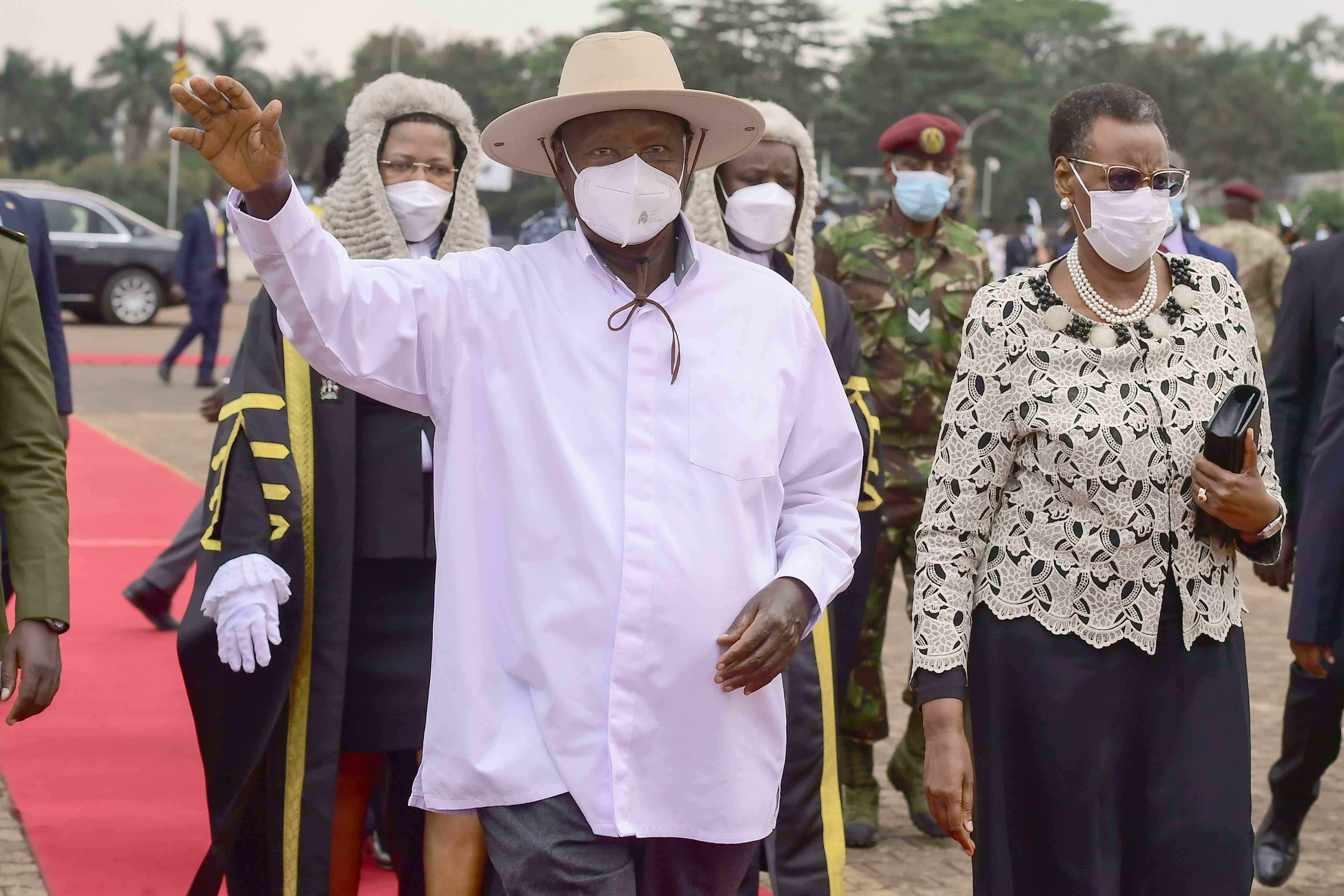
President Yoweri Kaguta Museveni and his wife Janet Museveni.
The most striking part of President Yoweri Museveni’s State-of-the-Nation address on Thursday was arguably his firm stance on corruption.
Declaring proof of a corruption racket within the finance ministry and Parliament, he vowed to crush it without amnesty.
“I now have proof of a corruption racket from the ministry of finance to Parliament. We are going to crush them. I will not grant them amnesty. With the crushing of corruption, Uganda is unstoppable,” he said.
Analysts who talked to Torch Media noted that the President’s language indicated a shift towards a more aggressive anti-corruption agenda, reflecting a long-awaited acknowledgment of the systemic nature of the problem.
“It is good that the President is prioritising fighting corruption but he has talked about fighting corruption on so many other occasions,” Marlon Agaba, the executive director of the Anti-Corruption Coalition Uganda, said.
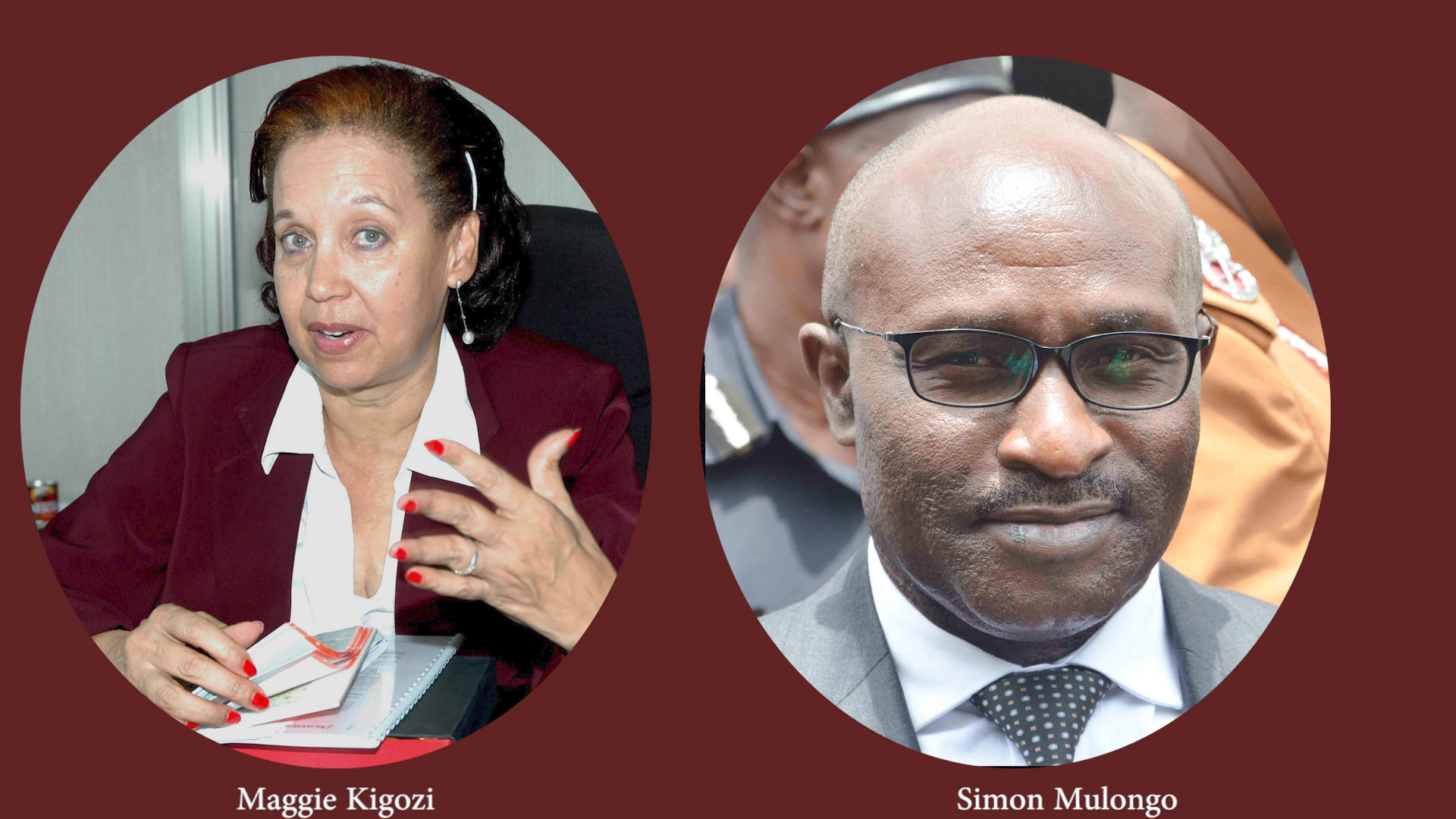
Simon Mulongo, a security expert and former MP, said the President has been talking a lot about corruption.
“But I think it is very important that the President walks the talk. Walking the talk means that he practically moves in to enforce the anti-corruption laws and implement the stringent penalties for corrupt practices that can serve as a deterrent to individuals from engaging in corruption tendencies,” he said.
Dr. Denis Nuwagaba, the head of international business and trade at Makerere University Business School, said now that the President has said he has evidence, they want to see the actions that government and institutions that are tasked with fighting corruption will do with it.
“Because most times when you talk about corruption, they will ask you to bring evidence but now the President has said he has evidence and now what I would wish to see are the actions that will be taken from the evidence that he has,” he said.
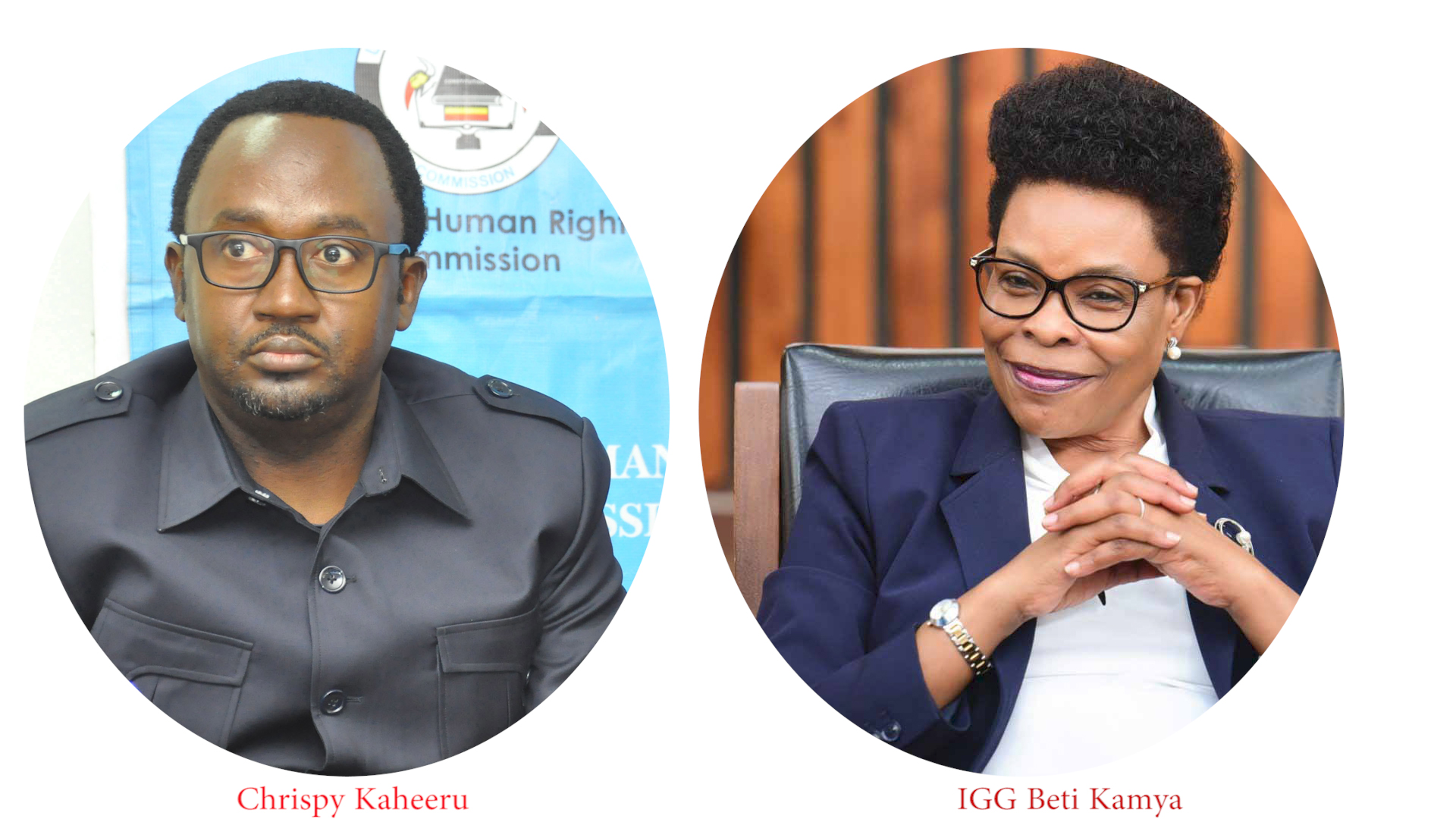
Crispin Kaheru, a political analyst and member of the Uganda Human Rights Commission, said historical patterns suggest skepticism as previous promises have often fallen short in delivering concrete results.
Therefore, the success of this initiative will hinge on the political will to enforce accountability consistently across board. The President’s call to crush corruption is a step in the right direction, but Ugandans will be watching closely for real, actionable outcomes beyond the rhetoric. As Uganda continues on its development path, balancing optimism with pragmatic strategies will be crucial for realising the nation’s full potential,” he stressed.
The former executive director of Uganda Investment Authority, Dr Margaret Kigozi, said the issue of corruption is serious.
“Unfortunately, we tend to focus only on the government but it goes all the way down. So, at any level where you need to deal with government or district officials it has become a serious issue. The issue of land in the country for investment and agriculture, it is very difficult for investors and the private sector to process and get their documentation done,” she said.
Working with the Police, the Inspectorate of Government (IG), the State House Anti-Corruption Unit and the State House Health Monitoring Unit arrested at least 10 Chief Administrative Officers and 30 other government officials from various districts in the months of September, October and November, 2022.
The latest report by the IG showed that Uganda loses sh10 trillion annually in corruption, mainly through non and under-declaration of taxes, employees getting paid yet they do not work, inflated payrolls, and botched procurement processes, among others.
Beti Kamya, the Inspector General of Government, told a media conference at the Uganda Media Centre in Kampala in December 2022 that they were working with other collaborating agencies to involve the public in this war against corruption which she said was old as humanity.
She said this during the release of the scorecard of the key achievements of the anti-corruption entities that covered the period from July 2020 to-date.
The scorecard showed that sh241b was recovered from corrupt officials and put back into the state coffers.
However, Agaba said just because these anti-corruption agencies ensured these arrests were made does not mean they can rest on their laurels.
He argued that conviction rates were still very low and that the country was also not doing well in terms of recovering the stolen money.
“Arresting these people is ok but the litmus test is conviction and recovering our stolen money. How many of the people that they have arrested have actually been taken to court and how many of those who have been taken to court have actually been convicted. I don’t think it is even 5% yet,” he said.
Economic landscape
Analysts also noted that the President’s address presented an optimistic view of Uganda’s economic landscape, highlighting some growth rates and sectoral achievements.
However, they said, a closer examination reveals the complexities and challenges underlying these achievements, offering a balanced perspective on Uganda’s sense of direction and the President's commitments.
They said the President’s statement on a 6.5% economic growth rate over the past year is commendable.
Driven by agriculture, tourism, and construction, they said this growth positions Uganda on a promising trajectory towards its vision of becoming a middle-income country by 2025 and that the 15% growth in agricultural production underscores the sector’s critical role as the backbone of the country’s economy.
The experts also said the President’s commitment to supporting farmers through increased production and productivity initiatives is a positive step, acknowledging the need for sustained investment in agricultural infrastructure and technology.
“Tourism and construction have also contributed significantly to the economic upturn. Enhanced tourism revenue reflects Uganda’s rich natural and cultural assets, and continued investment in this sector can further diversify the economy,” one of the experts said on condition of anonymity.
Similarly, this analyst said, the construction boom indicates an expanding infrastructure base, crucial for long-term economic stability and growth.
“While the prospects of oil production reflect successful exploitation of natural resources, promising substantial revenue inflows that can be channeled into development projects, the challenge lies in ensuring that oil revenues are managed transparently and equitably, avoiding the pitfalls of the ‘resource curse’ that has plagued other oil-rich nations,” the expert said.
In his address, the President also emphasized infrastructure development, which analysts said was well-placed.
They noted that improved connectivity and trade facilitation are essential for sustaining economic growth.
They also said the government’s focus on creating a favorable business environment and attracting investment aligns with global best practices for economic development, but the execution of these infrastructure projects needs rigorous oversight to prevent cost overruns, prevent corruption and ensure timely completion.
The President highlighted a significant reduction in poverty, with the percentage of Ugandans living below the poverty line decreasing from 19.7% in 2012 to 14.5% in 2020.
This achievement, analysts said, reflects the impact of targeted poverty alleviation programs and economic growth and yet, it is crucial to consider the broader socio-economic context.
While the reduction in poverty rates is noteworthy, they said income inequality and regional disparities remain pressing issues and that to ensure that economic growth translates into broad-based improvements in living standards requires sustained efforts and more inclusive policies and practices.



