Written By | Health News Agencies
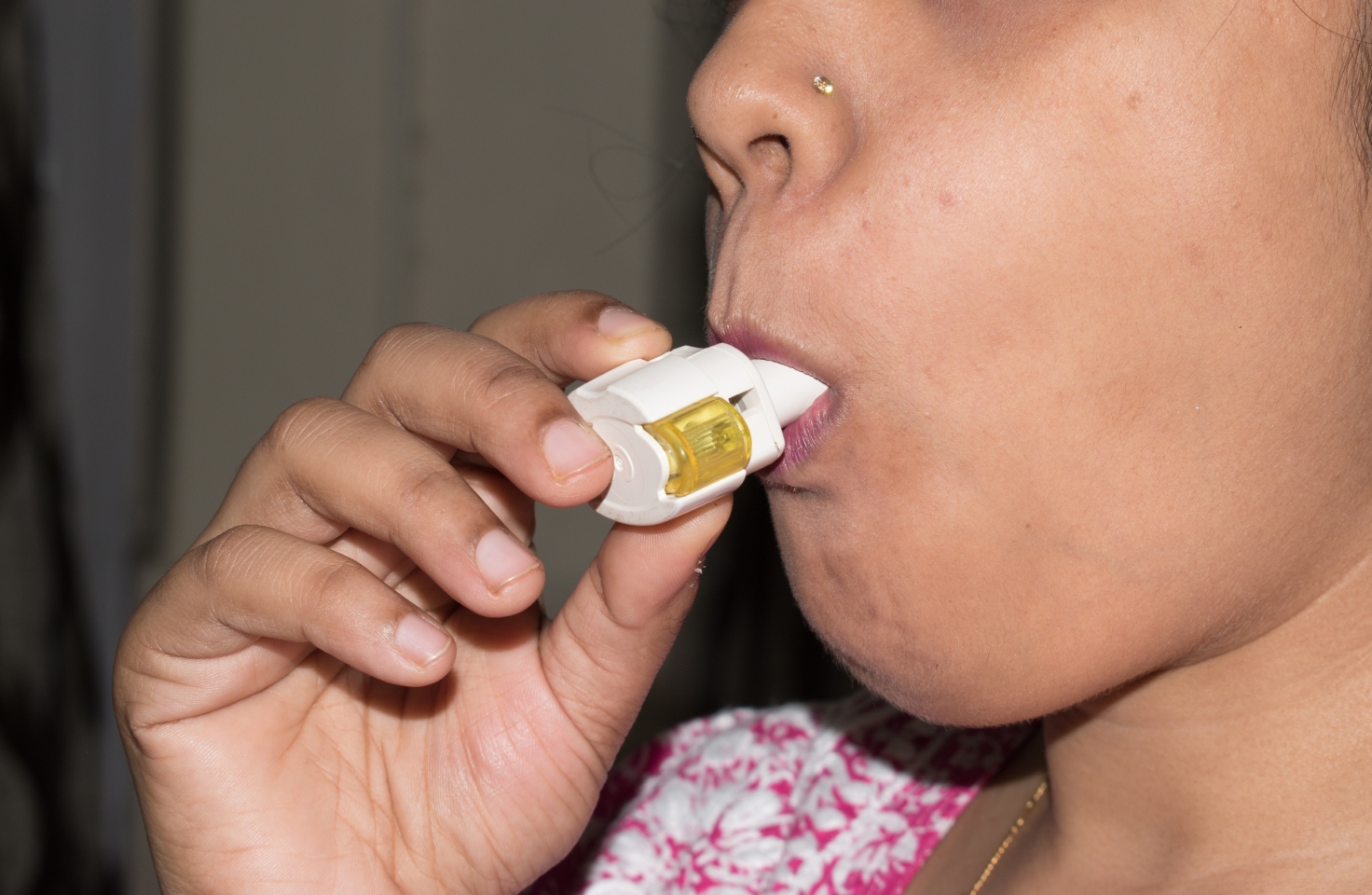
One hundred and four years after the first insulin injection, the landscape has shifted. The insulin molecule can now be carried in a pocket-sized inhaler rather than a syringe
She is eight years old. Every single day of her life — every breakfast, every school lunch, every birthday party — has been punctuated by a needle. Four, sometimes five, times a day. She has cried through thousands of them. Her parents have held her hand and watched her face crumple more times than they can count.
For millions of children with type 1 diabetes (T1D), that is the reality of staying alive. Insulin is not optional. And for more than 100 years, there has been only one way to get it in: a needle. Until now.
On May 29, 2026, the FDA approved Afrezza — an inhaled mealtime insulin — for children aged 6 and older with type 1 or type 2 diabetes. It is the first needle-free insulin option for pediatric patients in the entire history of insulin therapy. As new data from the INHALE-1 trial are presented this week at the American Diabetes Association 2026 Scientific Sessions, the medical community is processing what this means.
One Hundred Years of Needles
In 1922, a 14-year-old boy became the first human to receive an insulin injection. For the century that followed, the delivery mechanism never fundamentally changed. The burden on children is immense: multiple daily injections, social stigma, hiding their condition, skipping doses. Needle fear affects 22–33% of children with T1D — and leads to worse blood sugar control. The phobia doesn't just cause anxiety; it quietly compromises long-term health.
What Is Afrezza?
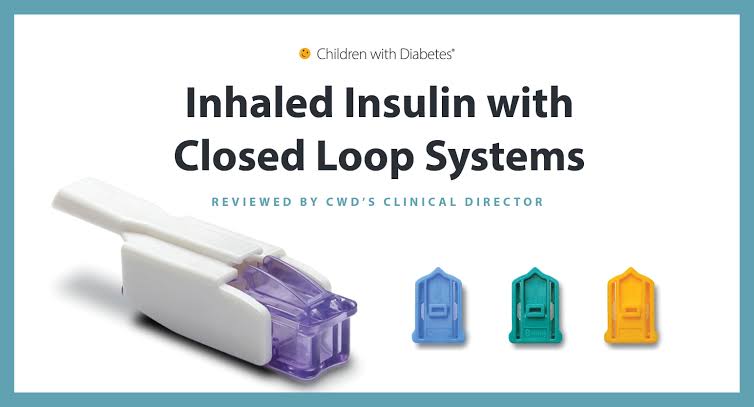
Afrezza is not new — it was approved for adults in 2014. It comes as a powder in single-dose cartridges that fit into a small handheld inhaler. At mealtimes, the patient takes one or two puffs. Insulin is absorbed through the lungs faster than injectable analogs: peak levels in 12–15 minutes vs. 60–90 minutes. This speed provides flexibility for unpredictable children. The drug also clears quickly, reducing the risk of late hypoglycemia (low blood sugar).
Afrezza is not a replacement for basal (long-acting) insulin. Children will still need one daily injection of background insulin. But they can eliminate the multiple daily mealtime injections — the shots that follow them to cafeterias, birthday parties, and sleepovers.
The INHALE-1 Trial: What the Science Says
The approval was supported by the Phase 3 INHALE-1 trial, which enrolled 230 children and adolescents (mean age 12.6 years). At 26 weeks, HbA1c control was equivalent: 10.3% of the inhaled group achieved HbA1c below 7% vs. 10.6% in the injection group. Lung function changes were similar between groups. Common side effects: cough, upper respiratory infection, throat pain, headache, vomiting.
Afrezza is not for children with asthma, COPD, active lung infections, or those who smoke.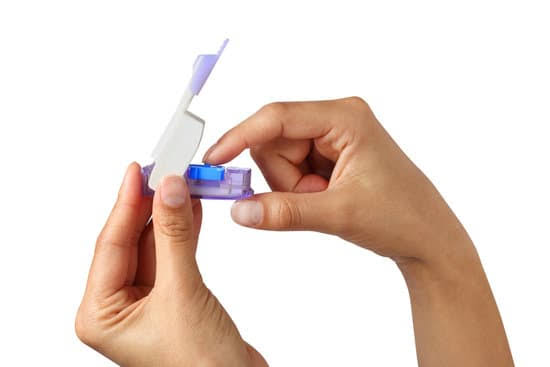
ADA 2026: Fresh Data, Growing Excitement
At the ADA Scientific Sessions, new data showed that combining Afrezza with degludec (a basal insulin) nearly doubled the rate of optimal glucose control (from 17% to 30%). Researchers also presented on Afrezza alongside automated insulin delivery systems and during pregnancy.
Expert Perspective: 'One More Tool in the Toolkit'
Breakthrough T1D (formerly JDRF) called the approval "a meaningful expansion of the pediatric T1D toolkit." Pediatric endocrinologist Dr. Kevin Kaiserman noted Afrezza's unique pharmacokinetics make it especially suited to unpredictable children.
Some clinicians raise concerns: fixed cartridge sizes (4, 8, 12 units) make fine adjustments harder than injections; long-term lung effects need monitoring; cost and insurance coverage have been inconsistent.
What This Means for Children and Families
Approximately 304,000 U.S. children live with T1D. Globally: 1.5 million. Each is now potentially eligible for Afrezza with a prescription — pending lung health screening. Not every child is a candidate, but for those who are, the implications extend beyond the clinical. A school lunch without an injection. A snack at a friend's house without the production of needles. Being a child, rather than a patient, for a few more minutes of each day.
A Century Later: The Needle Finally Has a Rival
One hundred and four years after the first insulin injection, the landscape has shifted. The insulin molecule can now be carried in a pocket-sized inhaler rather than a syringe. For a child who has spent her entire conscious life facing a needle every few hours, that is revolutionary.
The FDA approval is not the end — research continues toward a biological cure. But it represents the first time in more than a century that a child with diabetes can look at mealtime and not see a needle waiting. For hundreds of thousands of children, for millions of parents, and for clinicians who have watched their young patients flinch and cry and grow too brave too young — that matters enormously.
The world's first needle-free mealtime insulin for children is here. And somewhere tonight, an eight-year-old girl might just get through dinner without a single needle. That is a story worth telling.



