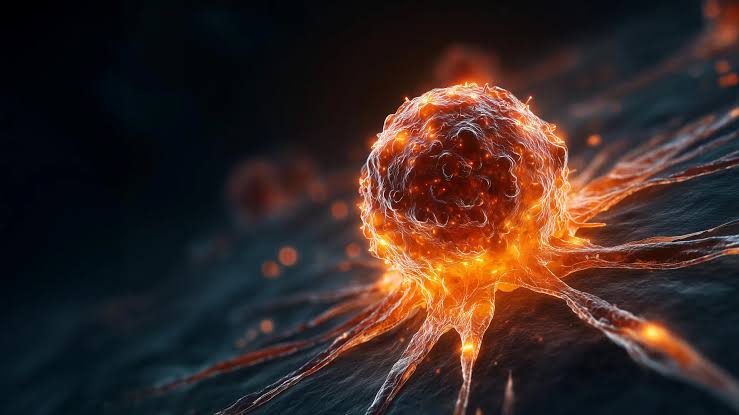
The missing genetic ingredient that makes melanoma "immortal" has finally been found — and Pittsburgh researchers say it could hand oncologists a brand-new target for stopping the deadliest skin cancer in its tracks.
PITTSBURGH
There is a reason melanoma is the skin cancer doctors fear most. It doesn't just grow — it refuses to die. While ordinary cells wear out after a set number of divisions, melanoma tumors seem to have found a biological fountain of youth. For more than a decade, scientists knew part of the trick. This week, they revealed the rest of it — and the discovery is rippling through cancer research as one of the most important clues yet into what makes melanoma so lethal.
Researchers at the University of Pittsburgh School of Medicine, writing in the journal Science, say they have finally identified the missing genetic partner that allows melanoma cells to achieve cellular immortality. The finding, led by Jonathan Alder, Ph.D. , closes a gap in cancer biology that had frustrated researchers since the early 2010s — and is now being cited as a roadmap for a completely new class of melanoma treatment.
"There's some special link between melanoma and telomere maintenance," Alder said. "For a melanocyte to transform into cancer, one of the biggest hurdles is to immortalize itself. Once it can do that, it's well on its way to cancer."
The Clock Inside Every Cell
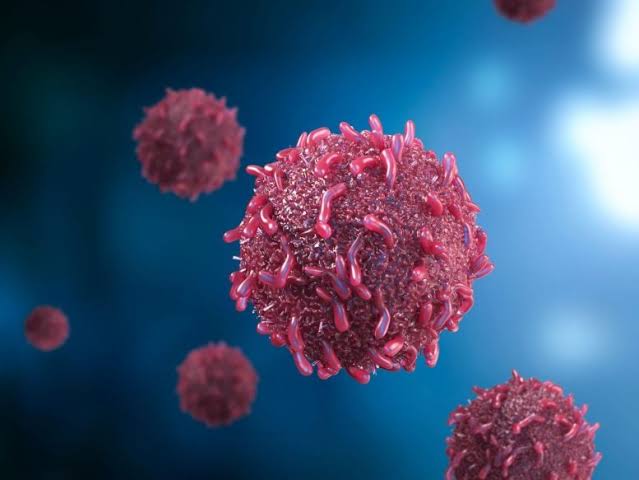
To understand why this matters, you have to understand telomeres — the protective caps at the ends of our chromosomes. Every time a normal cell divides, its telomeres shorten. Divide enough times, and the telomeres wear down to nothing. The cell hits the Hayflick limit: it stops dividing and dies. It's a built-in expiration date — and one of the body's core defenses against runaway growth.
Cancer cells have to find a way around that expiration date. Most solid tumors do this by reactivating an enzyme called telomerase, which rebuilds telomeres. The gene that encodes telomerase, TERT, is mutated in roughly 75 percent of melanoma tumors — a strikingly high rate compared to most other cancers.
But there was a problem. When researchers inserted TERT mutations into ordinary melanocytes, the cells didn't grow the extraordinarily long telomeres seen in real patient tumors. Something else had to be helping TERT do its job. For years, nobody could find it.
The Student Who Wouldn't Take No for an Answer
Enter Pattra Chun-on, M.D. , an internist working toward her Ph.D. in Alder's lab. Chun-on wanted to study cancer. Alder studies the opposite problem — short telomeres, which cause premature aging disorders.
"I told her that I study short telomeres and not long telomeres," Alder recalled. "This went on until I realized that Pattra would never take 'no' for an answer."
Digging through databases, Alder's lab had spotted mutations clustered in a gene called TPP1, which encodes a protein that helps regulate telomeres. Chun-on noticed these TPP1 mutations looked strikingly similar to the TERT mutations linked to melanoma — both landed in the "promoter" region of the gene, controlling how much protein gets made. Biochemists had shown more than a decade earlier that TPP1 can supercharge telomerase's activity — but they never knew it happened clinically.
Chun-on ran the critical experiment: she introduced both mutated TERT and mutated TPP1 into cells at the same time. Together, the two proteins synergized, producing the same dramatically elongated telomeres seen in real melanoma tumors. Neither mutation alone could do it. It took both, working as a pair, to flip the immortality switch.
"We did something that was, in essence, obvious based on previous basic research and connected back to something that is happening in patients," Alder said.
About 5 percent of all melanomas carry mutations in both TERT and TPP1 together — a small but clinically meaningful subset representing one of the clearest paths toward true immortalization. The study — "TPP1 promoter mutations cooperate with TERT promoter mutations to lengthen telomeres in melanoma" — includes collaborators from Pitt, UPMC, Johns Hopkins, and UC Santa Cruz, including Nobel laureate Carol W. Greider, Ph.D. , who discovered telomerase.
Why This Matters
The Pitt team's findings are making rounds across the scientific press as one of the more elegant solved mysteries in cancer genetics. The renewed attention comes as interest in telomere-targeted therapy has been building, with pharmaceutical companies increasingly hunting for drugs that can disable the immortality machinery tumors depend on.
That's the real prize: a target. If TPP1 and TERT have to work together to make melanoma cells immortal, then disrupting either half of that partnership — but especially the newly identified TPP1 side — could, in theory, force tumor cells back onto the aging clock.
"This discovery has changed the way scientists understand the onset of melanoma, but it also has the potential to improve treatment," the team noted. "By identifying a telomere maintenance system that is unique to cancer, scientists have a new target for treatments."
A drug that targets the TERT-TPP1 partnership specifically — since it appears uniquely amplified in cancer cells rather than normal ones — could theoretically hit tumors while sparing much of the rest of the body.
Melanoma by the Numbers
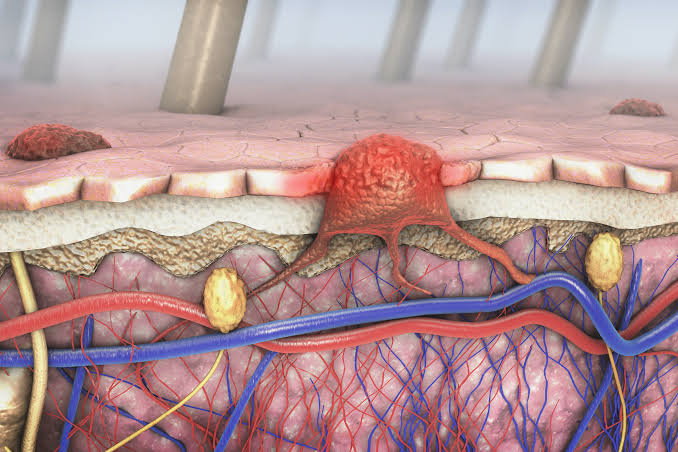
Melanoma remains one of the fastest-growing cancer diagnoses in the U.S., particularly among people with fair skin, a history of sunburns, and heavy UV exposure. The American Cancer Society estimates the disease will be diagnosed in tens of thousands of Americans this year. While it accounts for a relatively small share of skin cancer cases overall, it is responsible for the large majority of skin cancer deaths — precisely because of its tendency to spread and its resistance to standard treatment.
Immunotherapy drugs have dramatically improved survival odds for advanced melanoma patients over the past decade, but resistance remains common — making a fundamentally new biological target potentially such a big deal.
Expert Perspective
Cancer geneticists outside the study have pointed to the work as an example of how basic, unglamorous biology can eventually unlock major clinical insight. Telomere biology has spent decades as something of a niche pursuit, overshadowed by flashier fields like immunotherapy. This study is a reminder that the fundamentals still matter.
Co-authors including John M. Kirkwood, M.D. , a veteran melanoma clinician at UPMC, and Brittani K.N. Seynnaeve, M.D. , help bridge the gap between the lab and patient bedside — grounding the telomere biology in how melanoma actually behaves in people being treated for it right now.
What This Means for You
For patients and families dealing with a melanoma diagnosis today, this discovery won't change treatment tomorrow — there is no TPP1-blocking pill in pharmacies, and turning a genetic insight like this into an approved drug typically takes years. But it gives researchers a concrete new lock to try to pick, in a cancer type that badly needs more options once first-line treatments stop working.
In the meantime, the practical advice for reducing melanoma risk hasn't changed: limit direct sun exposure, wear broad-spectrum sunscreen, avoid tanning beds, and get any new or changing moles checked by a dermatologist promptly. Early-stage melanoma, caught before it spreads, remains highly treatable — long before any tumor gets the chance to activate the immortality machinery Pitt's team just mapped out.
The Bottom Line
Scientists have spent more than a decade chasing the second half of melanoma's immortality trick. Now that they've found it — a quiet partnership between two mutated genes, TERT and TPP1, working in tandem to keep cancer cells dividing forever — the race shifts to turning that knowledge into a drug that can break the partnership apart. It's the kind of unglamorous, patient science that rarely makes front-page news on its own, but oncologists say it could eventually matter enormously for patients currently running out of options.
Sources: Science, University of Pittsburgh, ScienceDaily, EurekAlert, American Cancer Society
Published By | Features Editor