Written By | Peter Luzinda

Parliament approved the Value Added Tax (Amendment) Bill, 2026.
KAMPALA
Parliament has passed the Value Added Tax (Amendment) Bill, 2026, following intense debate that saw legislators reject proposed taxes on software and raise concerns over key provisions in the legislation.
The House moved straight into consideration of the Bill, marking the start of deliberations on a series of tax measures scheduled for the sitting.
Presenting the report during plenary, Finance Committee Chairperson Amos Kankunda said the committee had scrutinised the proposed amendments and called for consensus on contentious clauses. He noted that members brought extensive experience to the process and, where disagreements persisted, a minority report could arise.
“We urge the House to debate these issues and find a middle ground,” Kankunda said.
Amos Kankunda
Concerns over software tax
Debate intensified when Kampala Central Division MP Muhammad Nsereko raised concerns over Clause 4 of the Bill, which proposed the introduction of VAT on software.
Nsereko argued that taxing software would undermine Uganda’s growing innovation ecosystem, describing technology as a critical equaliser for unemployed and creative youth.
“Software infrastructure is central to innovation. Without it, progress in digital transformation would be limited,” he said. 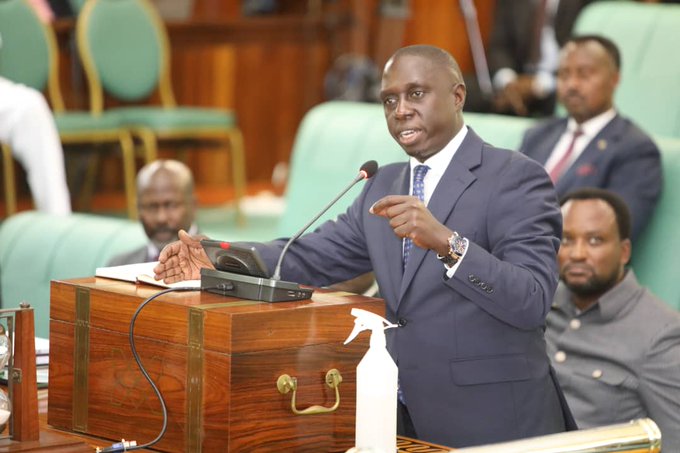
Muhammed Nsereko
He added that government policy recognises Information and Communication Technology (ICT) as a backbone for socio-economic transformation and questioned the rationale behind taxing a sector the government is actively promoting. Nsereko also warned that software underpins key systems across the economy, including government platforms such as the Electronic Fiscal Receipting and Invoicing System (EFRIS), and that taxing it could disrupt service delivery.
VAT rate and threshold questioned
Erute South MP Jonathan Odur raised concerns about the VAT rate, noting that some countries in the East African region apply lower rates of 16% and even 8%.
He criticised the government for not presenting a comparative analysis to justify maintaining Uganda’s rate and revisited calls by traders for a reduction from the current 18%.
Odur also questioned the proposal to raise the VAT registration threshold from UGX 150 million to UGX 250 million, as well as provisions under Clause 3, which he said created unequal conditions between citizens and foreigners in accessing allowable tax credits.
He argued that the thresholds set, including amounts running into millions of dollars, were unrealistic for most Ugandans.
Jonathan Odur
Clause-by-clause scrutiny
Following the second reading, the House resolved into the Committee of the Whole House to examine the Bill clause by clause.
During this stage, Budadiri West MP Nathan Nandala Mafabi proposed that fuel stations be exempted from EFRIS requirements.
Nsereko further pressed for the removal of Clauses 4(c) and 4(d), maintaining his opposition to the taxation of software, particularly imported software.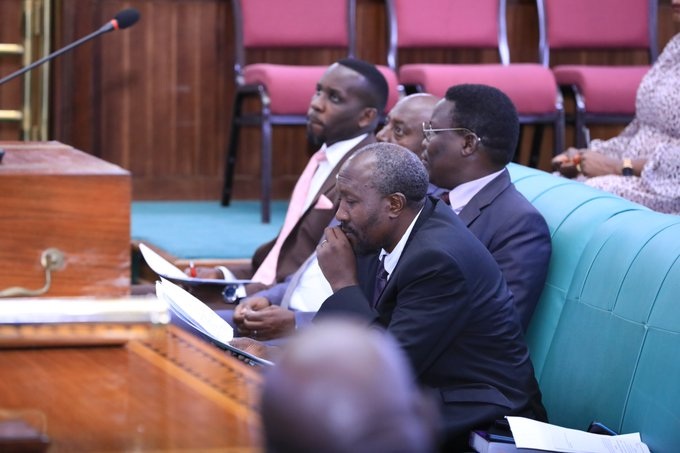
Nathan Nandala Mafabi proposed that fuel stations be exempted from EFRIS requirements
Software tax dropped
In a significant development, the Minister of State for Finance (General Duties), Henry Musasizi, conceded to the concerns raised by legislators and supported the removal of the contentious clauses.
The Speaker subsequently put the question for the deletion of Clauses 4(c) and 4(d), and the House approved their removal. 
Henry Musasizi, conceded to the concerns raised by legislators and supported the removal of the contentious clauses
Bill passed
Musasizi later moved a motion for the Bill to be read for the third time and passed.
The Speaker put the question, and Parliament approved the Value Added Tax (Amendment) Bill, 2026.
The passage of the Bill, minus the software tax provisions, is seen as a major win for Uganda’s technology and innovation sector, while debates around VAT rates and thresholds signal ongoing concerns about the broader tax framework.
Torch Media Africa



