Written By | Agencies
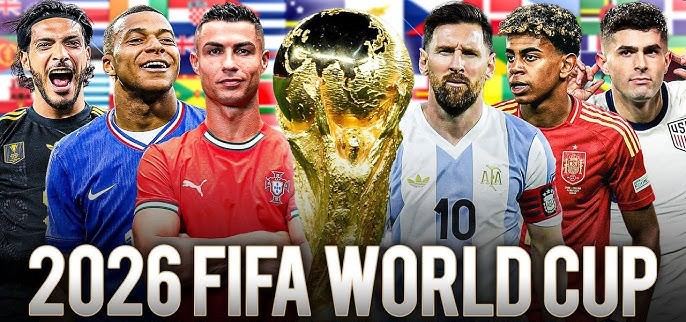
Forty-eight nations will compete across 16 host cities and three countries in pursuit of football’s ultimate prize.
SPORTS
On June 11, 2026, at the historic Estadio Azteca in Mexico City — a venue that has hosted two World Cup finals and witnessed Diego Maradona’s infamous “Hand of God” — the most expansive football tournament ever conceived will kick into life.
The 2026 FIFA World Cup, co-hosted by the United States, Canada, and Mexico, is not merely an incremental upgrade on previous editions. It is a wholesale reimagining of what global football can be: bigger, bolder, and more inclusive than anything that came before it.
For the first time since the tournament expanded from 24 to 32 teams in 1998, FIFA has once again raised the stakes.
Forty-eight nations will compete across 16 host cities and three countries in pursuit of football’s ultimate prize. More than 1,000 players have submitted final squads, while hundreds of millions of fans across the world are already clearing their calendars.
The question is no longer whether this World Cup will be historic — but just how historic it will become.
A Tournament Built for a New Era
The expanded 48-team format fundamentally changes the architecture of the competition.
Where previous editions featured eight groups of four teams, the 2026 World Cup introduces 12 groups. The top two teams from each group qualify automatically, alongside the eight best third-placed teams, creating a new Round of 32.
The result is simple: more jeopardy, more drama, and more matchups between nations that have never faced each other on football’s biggest stage.
For smaller footballing nations, this format provides additional exposure, additional opportunities, and additional chances to create unforgettable moments.
Countries such as Saudi Arabia, Morocco, Japan, and Senegal — nations that impressed in recent tournaments — now have greater opportunities to make a deeper impact.
The tri-nation hosting arrangement is equally ambitious.
Mexico’s venues include the iconic Estadio Azteca, where Mexico opens against South Africa on June 11.
Canada joins the tournament on June 12 at BMO Field in Toronto with an opening ceremony featuring Alanis Morissette, Michael Bublé, and Alessia Cara.
On the same day, the United States stages its ceremony at SoFi Stadium in Los Angeles, the $5.5 billion venue that will later host the tournament final.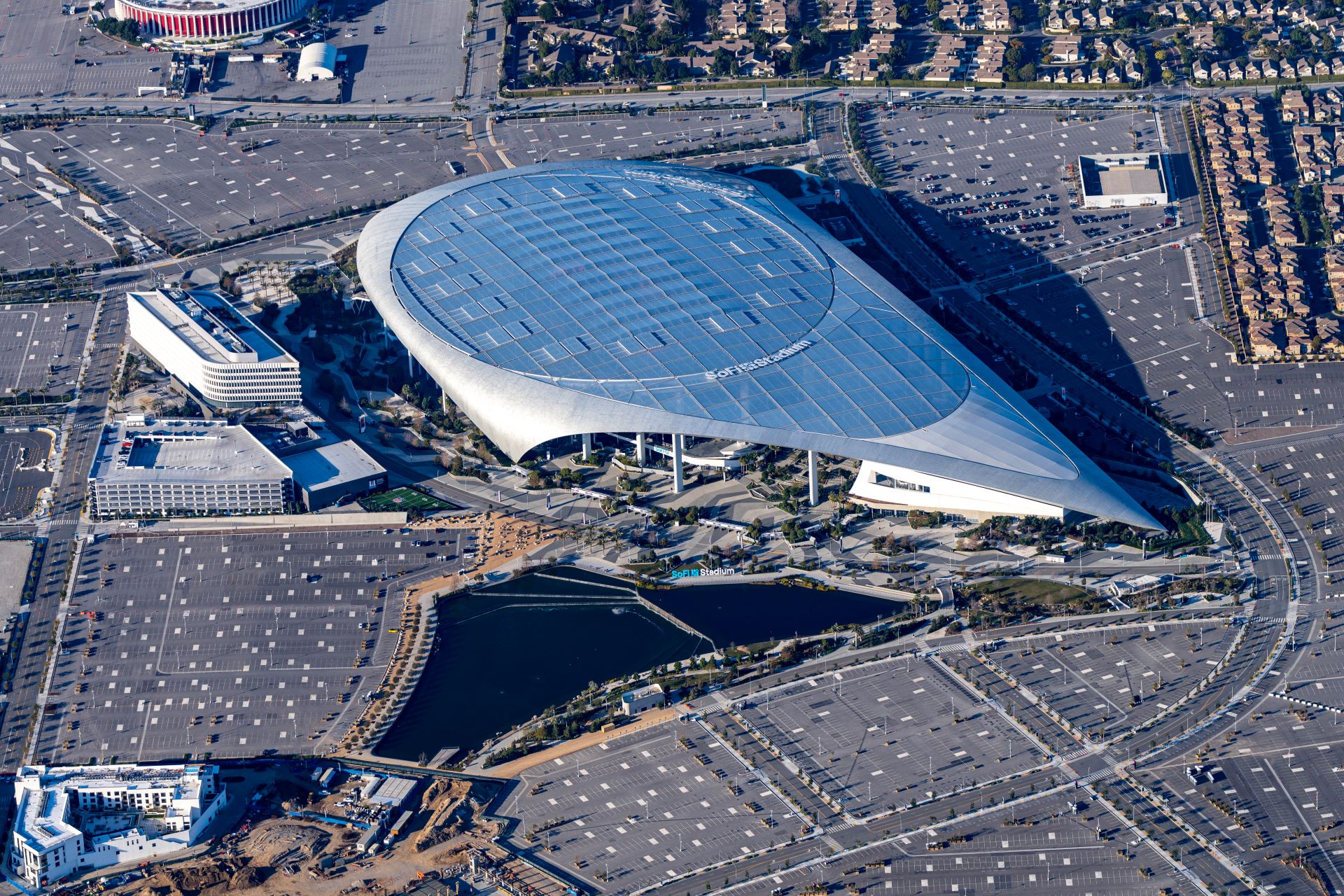
SoFi Stadium
America’s Long-Awaited Football Moment
For the United States, this World Cup represents more than sport — it is a cultural statement.
The USMNT begins its campaign on June 12 at SoFi Stadium against Paraguay before facing Australia and Türkiye in the group stage.
The eleven American host cities — stretching from Seattle and San Francisco to Boston, Philadelphia, and New York/New Jersey — will transform into football capitals for an entire summer.
Meanwhile, Major League Soccer, long viewed as a developing competition, is sending a record number of players to the tournament.
The continent that once imported football stars in the final years of their careers is increasingly producing them.
And then there is Lionel Messi.
At 38 years old, the Argentine superstar arrives with a different kind of legacy.
He is the defending champion.
He is the man who delivered Argentina’s third World Cup title in Qatar.
And despite all that, bookmakers no longer consider Argentina overwhelming favorites.
Messi himself recently admitted:
“France looks very strong again. There are other favorites arriving in better form than us.”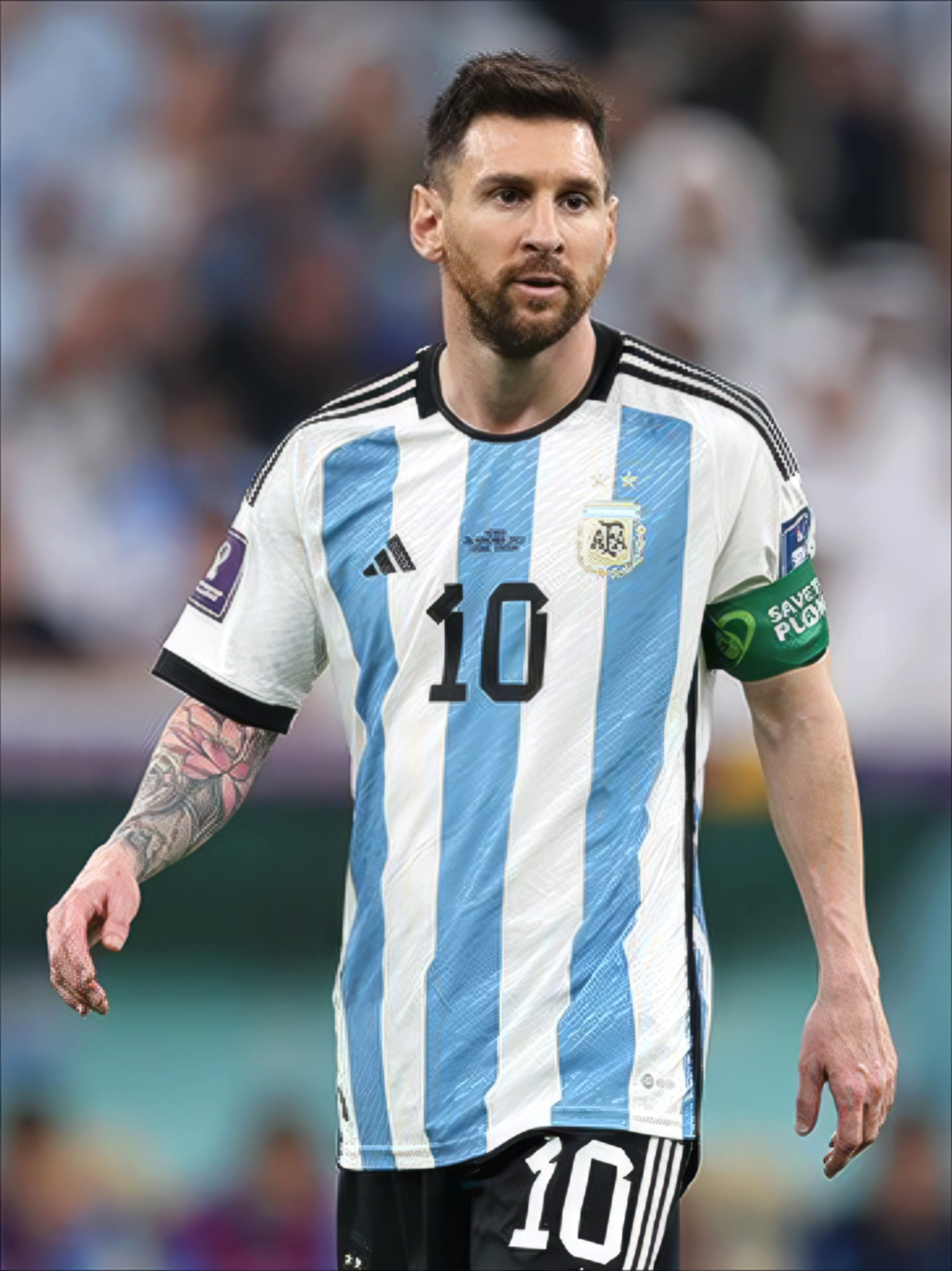
The Favorites and the Dark Horses
Bookmakers have identified six major contenders:
Spain. France. England. Brazil. Argentina. Portugal.
Spain enters as reigning European champions and is widely considered among the strongest sides.
France remains stacked with elite talent.
England continues chasing its first major international trophy in decades.
Brazil arrives with renewed optimism.
Portugal still possesses enough quality — and a remarkably enduring Cristiano Ronaldo — to dream.
But perhaps the most fascinating aspect of this expanded World Cup is the increased relevance of dark horses.
Morocco. Japan. And even the United States playing at home.
All have the capacity to produce shocks.
What This Means for Football Fans
For casual fans who only watch football every four years, this tournament offers something unprecedented: More nations. More games. More stories. More chaos.
For devoted supporters, it means weeks of nonstop football.
For FIFA, it represents both a commercial and ideological gamble.
Supporters argue that expansion creates opportunity and global growth.
Critics argue it may dilute quality.
But if recent World Cups have taught football fans anything, it is this:
Football rarely behaves the way experts predict.
The world is watching.
Forty-eight nations.
Sixteen cities.
Three countries.
One trophy.
The 2026 FIFA World Cup has arrived.
And football may never look quite the same again.



