Written By | Peter Luzinda
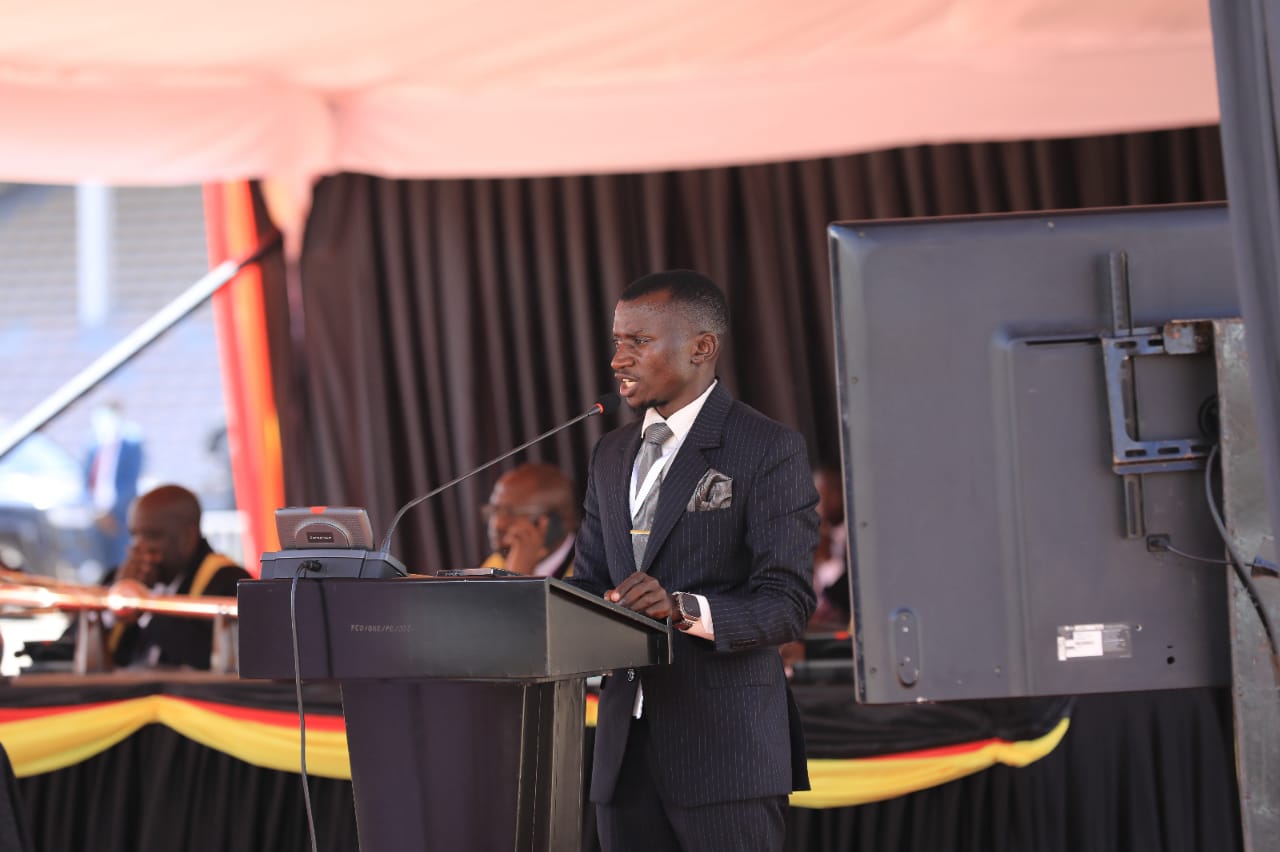
A nomination by Hon. Yusuf Kiruluuta Junior Nkerettanyi, MP for Kalungu East (NUP), proposing Hon. Godfrey Aine Kaguta (Mawogola North), was not processed after it failed to attract a seconder
PARLIAMENT
The opening sitting of the 12th Parliament’s Deputy Speaker election has already demonstrated how strictly parliamentary procedure can determine which candidates officially enter the contest.
A nomination by Hon. Yusuf Kiruluuta Junior Nkerettanyi, MP for Kalungu East (NUP), proposing Hon. Godfrey Aine Kaguta (Mawogola North), was not processed after it failed to attract a seconder. Under Parliament’s Standing Orders, a nomination without both a proposer and a seconder is considered invalid and cannot be recorded for consideration.
The development, though brief, underscored the formal nature of leadership elections in Parliament, where political intent alone is insufficient without procedural compliance and visible support on the floor.
In the same session, Hon. Thomas Tayebwa was successfully nominated for Deputy Speaker. His nomination was moved by Nebbi District Woman MP Phiona Nyamutoro and seconded by Buvuma Islands MP Robert Migadde, fulfilling all requirements for entry into the race.
The contrasting outcomes highlight how coordination among MPs and party alignment often determine the viability of candidacies even before voting begins. In tightly contested parliamentary leadership races, nominations frequently serve as early signals of political strength and negotiation dynamics within the chamber.
As the House proceeds with its leadership elections, attention is now shifting toward how blocs consolidate support, with the Deputy Speaker position viewed as a key indicator of influence in the 12th Parliament’s early structure.



