An anniversary the state would rather not mark
One year after an election that returned President Samia Suluhu Hassan to office with 98 percent of the vote, Tanzania is a country in which grief has become a political act. The opposition party Chadema has declared seven days of mourning, running from Thursday through November 4, to mark the anniversary of the October 29, 2025 vote and the violence that followed. The Catholic Church has called for nationwide masses to honor the victims. Police, meanwhile, have warned against what they call "criminal" mobilization around the anniversary, according to reporting carried by Yahoo News.
The tension is sharpened by a date six days away. On November 6, a court is due to deliver judgment in the treason trial of Tundu Lissu, Chadema's leader and the most prominent opposition figure in the country. A conviction could carry the death penalty. Taken together, the anniversary and the verdict make the next week one of the most politically sensitive stretches in Tanzania in years.
What happened a year ago
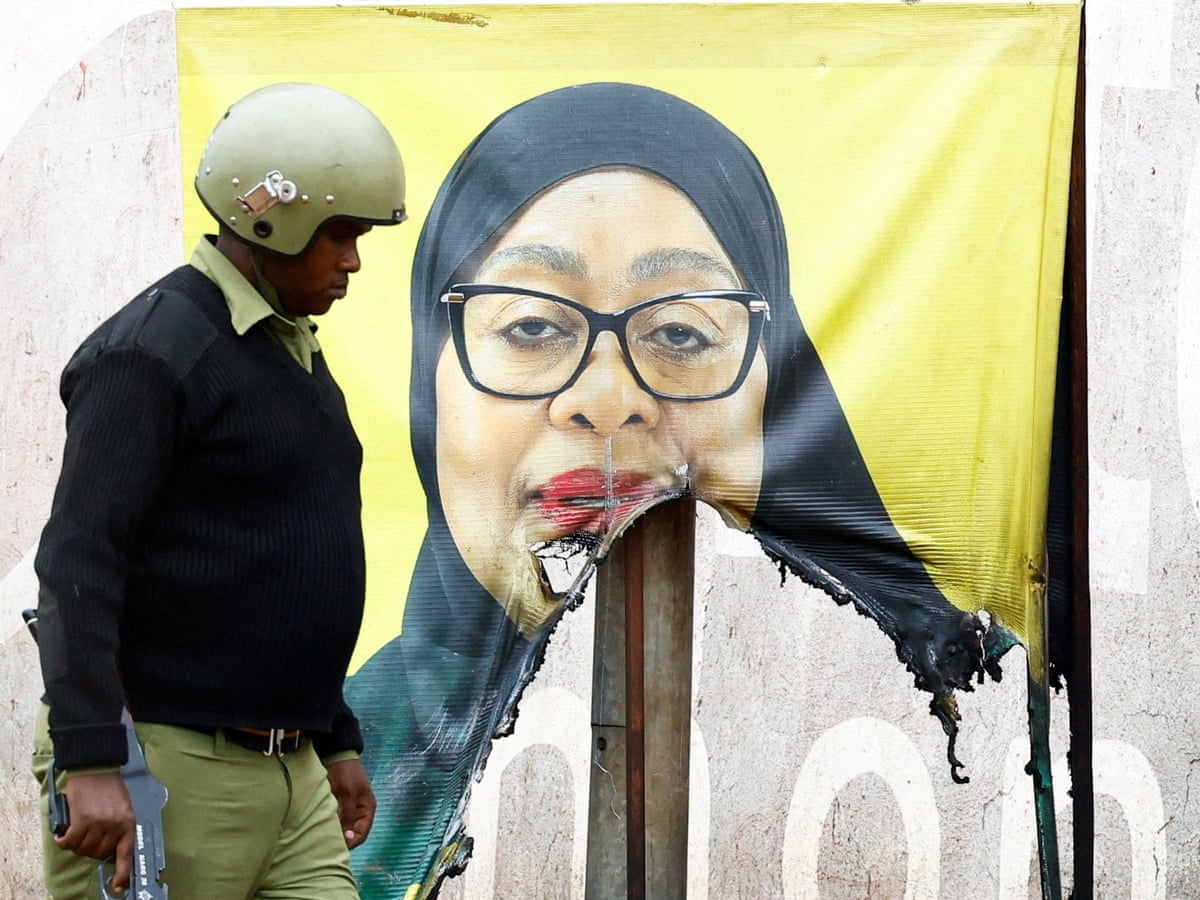
Tanzania voted on October 29, 2025. Samia, who first took office in 2021 after the death of John Magufuli, was declared the winner with 98 percent of the vote. The opposition called the result a "mockery," because its two main challengers had been barred from running, as allAfrica summarized this week. The vote set off days of protests that security forces suppressed with lethal force.
How many people died remains disputed. A government-appointed inquiry found that at least 518 people were killed, according to Al Jazeera. Chadema puts the toll at about 2,000, a figure the United Nations has said it could not verify. Some rights groups and opposition figures have said thousands were killed, as reported by Yahoo News. The range itself, from the government's own commission's 518 to the opposition's roughly 2,000, tells its own story: an official count at least a quarter of the opposition's estimate, and no independent mechanism that both sides trust to reconcile the two.
The trial of Tundu Lissu
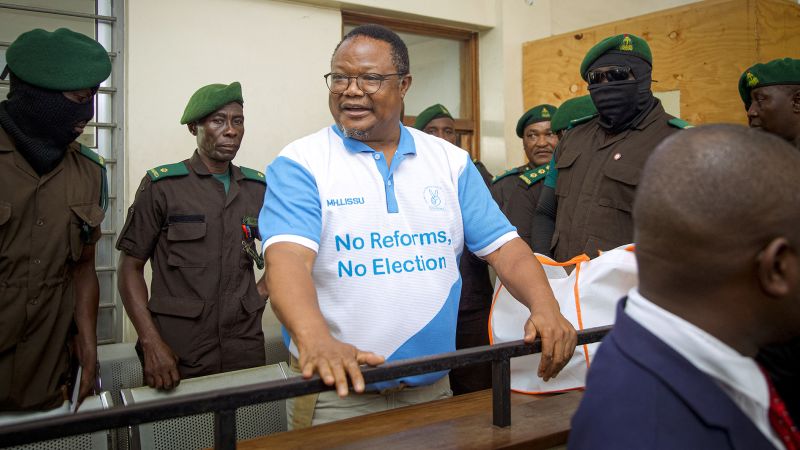
Lissu is no ordinary defendant. He led Chadema into the 2020 election, finishing second, and survived being shot 16 times in a 2017 assassination attempt, Al Jazeera notes. He was arrested in April 2025 after addressing a rally that called for electoral reforms under a "no reform, no election" slogan. Prosecutors say his speech urged the public to rebel and to disrupt the general election. He has pleaded not guilty, and his lawyers say the case is politically motivated.
This week, the trial produced a new flashpoint. According to Al Jazeera, Chadema spokesperson Brenda Rupia said Lissu began refusing food on Monday after his lawyers were denied entry to the prison. His lawyer, Rugemeleza Nshala, said the strike began Tuesday morning, after promised private consultations with lawyers did not take place, and that Lissu "did not take his tea, breakfast or lunch" that day. The accounts of when exactly it started differ slightly between the party and the lawyer. Lissu ended the strike after lunchtime on Tuesday, following a meeting with his brother, and prison authorities then allowed him to meet privately with his lawyers. The prisons service denied the reports, saying Lissu was safe and was not on hunger strike.
Nshala raised concerns about his client's health, saying that Lissu relies on medication. The episode, brief as it was, underscored what critics describe as a pattern: access to counsel for the most politically significant detainee in the country had to be fought for, in a case where a death sentence is legally possible.

A widening crackdown
Lissu is one of several opposition figures facing grave charges. Yahoo News, in a report drawing on rights groups and local sources, says that opposition official John Pambalu has been charged with treason, and that the dissident Twaha Mwaipaya was abducted in Kenya and remains missing. The Legal and Human Rights Centre is representing about 56 people facing terrorism-related charges. Amnesty International says Tanzania has failed to hold those responsible for the killings to account and is using counterterrorism laws to silence critics.
Al Jazeera adds that Lissu's detention, together with alleged abductions of government critics, has drawn scrutiny to Samia's human rights record. The government rejects accusations of widespread abuses and says it is committed to respecting human rights. It ordered an investigation into abduction reports in 2024, but no official findings have been made public, according to Al Jazeera.
Rights groups say the repression goes beyond the opposition. allAfrica reports that groups accuse authorities of shielding security forces and of increasing repression of critics, opposition supporters and journalists, which the government denies.
The inquiry and the problem of accountability
The presidential commission that produced the 518 figure is itself contested. Yahoo News reports that critics accuse the body of having been created in "bad faith" in order to "clean Tanzania's image" internationally, and that little progress has been made since. The same commission recommended a memorial, yet police have warned against mobilization around the anniversary, a contradiction that has not gone unnoticed by rights defenders. Tito Magoti, a rights defender quoted by Yahoo News, says the state is trying to erase its role in the killings.
The human cost is visible in individual stories. Twaha Bomeza, 61, was hit in the eye by shrapnel during a shootout and needs surgery he cannot afford. "My blood was spilled here, but a year has passed, and there is no more blood here," he said. Joseph Zakayo, 37, was shot in the thigh and can no longer run his motorcycle taxi business; his life, he said, "has taken a major step backwards." Anna Bwana of Twaweza East Africa argued that commemorating the dead is difficult while people are still being abducted and while many families have been unable to bury their loved ones. According to allAfrica, victims' families are now seeking both accountability and money for medical care.
Analysis: why the verdict matters beyond one man
There are three ways to read the coming week, and they are not mutually exclusive.
The first is as a test of the government's tolerance for dissent. By treating mourning as a possible security threat, the authorities have signaled that they view the anniversary as a risk to be managed rather than a grievance to be addressed. Analysts quoted by Yahoo News describe the country as "tense," with arbitrary arrests on the rise. If gatherings are dispersed or participants detained, that will reinforce the narrative of a state that cannot permit even peaceful remembrance.
The second is as a test of the courts. A guilty verdict against Lissu would almost certainly deepen the legitimacy crisis that followed the 2025 election, and it would draw sharp reactions from Western governments and international rights bodies. An acquittal, or a verdict on lesser grounds, would be a more surprising outcome and could be read as a sign of judicial independence or of a calculated release of pressure. This is analysis rather than reporting; the court's reasoning is unknown until the judgment is read, and nothing in the available coverage indicates which way it will go.
The third is as a test of Samia's longer-term strategy. She came to power as a reformer who lifted bans on opposition rallies and relaxed press restrictions, and she won an election in which her two main rivals could not run. The result was a landslide that few outside observers consider a fair measure of public opinion. That gap, between a 98 percent mandate and a population that cannot freely mourn, is an unstable foundation for the next four years. It also affects Tanzania's regional standing and its relations with donors and investors, although the sources reviewed for this report do not quantify such effects.

What to watch
The immediate questions are practical. Will the Chadema mourning period and church services pass without violence or mass arrests? Will independent monitors and journalists be allowed to report from the scene? On November 6, will the court deliver its judgment on schedule, and will Lissu's lawyers have the access to him that they were denied this week?
Beyond that, the longer questions concern accountability. The government's own commission has not produced prosecutions, the UN has not been able to verify the opposition's figures, and no one with authority has explained how the death toll can be both 518 and, in the opposition's account, nearly four times that. Until some body that both sides accept investigates, the dispute over the numbers will continue to stand in for a larger dispute over who has the right to describe what happened.
For now, the facts most readers can rely on are these: the election result was 98 percent for the incumbent; at least 518 people died according to the government's own inquiry; the opposition's leader is on trial for treason with a verdict due November 6; and a year on, many Tanzanians say they are still waiting for answers.
Published By | News Editor