Written By |
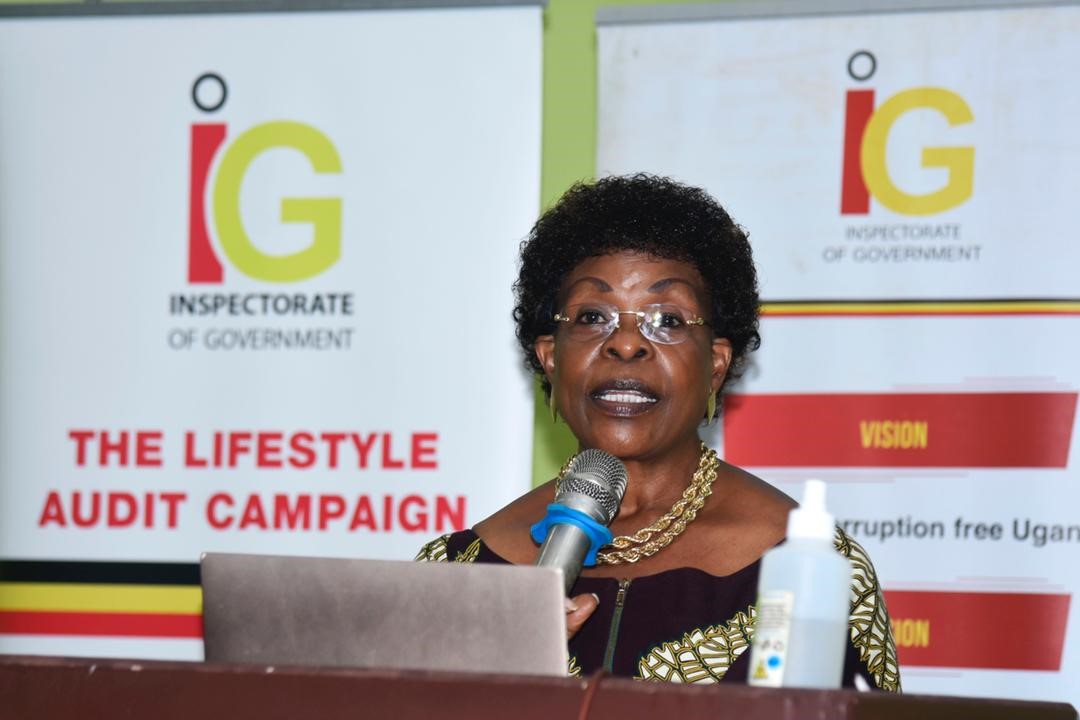
Beti Kamya stated that 55 cases were prosecuted and concluded in court, resulting in 26 convictions (47.3%)
By Our Reporter
The government recovered Sh30 billion from corrupt public officials last year, according to the Inspector General of Government (IGG), Beti Olive Kamya. This marks a significant increase from the Sh2 billion recovered during the 2022/2023 financial year.
Kamya stated that 55 cases were prosecuted and concluded in court, resulting in 26 convictions (47.3%). “Of the 55 concluded cases, nine ended in acquittals, 18 were withdrawn for various reasons, including out-of-court settlements, while two were dismissed,” she said.
She further explained that Sh14 billion was recovered through recovery orders, while Sh6 billion in cash was deposited into the Inspectorate of Government (IG) asset recovery account. In addition, property worth Sh8.7 billion was handed over to the institution in lieu of cash.
Kamya made these revelations during a media briefing at the Uganda Media Centre in Kampala today.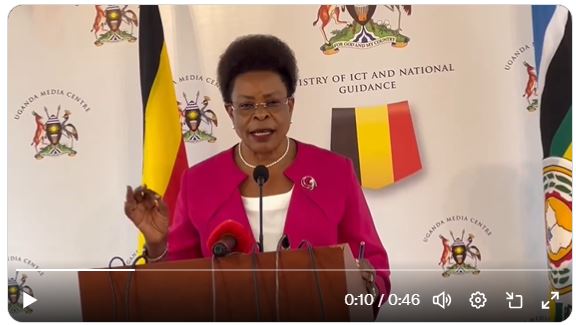
Beti Kamya addressing Journalists, below is the link to the video
https://x.com/animahnalule/status/1833050158285693204
Trillions lost
According to a 2021 report released by the IG, Uganda loses Sh20 trillion annually due to corruption. This loss includes Sh131 billion in unpaid taxes, Sh459 billion in user fees on utilities, Sh820 billion in forfeited revenue from natural resources, and Sh15 billion due to environmental degradation resulting from poor enforcement. Other losses include Sh2 billion from absenteeism in government departments, Sh451 billion from corruption in healthcare and education services, Sh86 billion in graft in security provision, and Sh233 billion in procurement and budgeting regulation.
Kamya said that moving forward, the focus will shift from prosecution to prevention, with an emphasis on raising public awareness. This strategy has resulted in an increase in corruption-related cases being reported. During the 2023/2024 financial year, whistleblower complaints surged to 2,377 from 500 cases the previous year.
Of these complaints, 1,260 were registered at the IGG headquarters, while 1,117 were recorded across the 16 regional offices. Kamya noted that 91.8% of these cases were sanctioned for investigation, 2.7% were referred to other authorities, and 0.1% were declined due to lack of investigable merit.
The IGG concluded 852 corruption-related cases, including 18 high-profile cases. “From the investigations, the IGG recommended the recovery of Sh17 billion to the Consolidated Fund from individuals found guilty of various corruption offences. Additionally, 251 administrative sanctions were issued against public officials, 26 of whom will be prosecuted for their involvement in corrupt activities,” she added.
Leadership code of conduct
Kamya reported an increase in the number of public officials declaring their wealth. By the end of the declaration period, 26,541 out of the expected 32,617 officials had declared their assets, representing an 81.3% compliance rate. “During the same period, the IG verified the declarations of 574 public officials, out of a targeted 600 for the financial year, achieving a success rate of 95.6%,” she said.
As a result of these verifications and investigations, 61 public officials were recommended for prosecution before the Leadership Code Tribunal. Additionally, the IG resolved 498 ombudsman complaints, 77 within ministries, departments, and agencies, and 421 in local governments. These complaints primarily involved employment disputes, delayed services, non-payment of salaries and pensions, and cases of mismanagement. “As a result of these investigations, 892 citizens were able to access various services, including Sh4 billion in delayed salaries and pension payments,” Kamya explained.
Commendation and criticism
Civil society activists welcomed the IG's efforts but highlighted areas for improvement. "Recovering Sh30 billion is commendable, but it’s still less than 1% of the estimated losses. More needs to be done to recover larger sums," said Marlon Agaba, Executive Director of the Anti-Corruption Coalition Uganda (ACCU). He called for a comprehensive law empowering the IG to trace, freeze, and confiscate assets linked to corruption.
Agaba also criticized the plea bargains that allow corrupt officials to retain their jobs. “Some are given grace periods to repay stolen funds, but often they don't even pay,” he said, urging the IG to take a tougher stance. He emphasized that allowing officials to remain in office after repaying only a portion of the stolen funds encourages further corruption. “If they steal Sh10 billion and are only required to repay a billion or two, they still have an incentive to steal more and keep their positions,” Agaba warned.
He also called for a higher conviction rate, noting that the IG's 47% conviction rate is low compared to the Office of the Director of Public Prosecution's (ODPP) 75%. To improve prosecution rates, Agaba urged the government to increase resources and staffing for the IG.
Torch Media Africa



