Written By | Business Experts
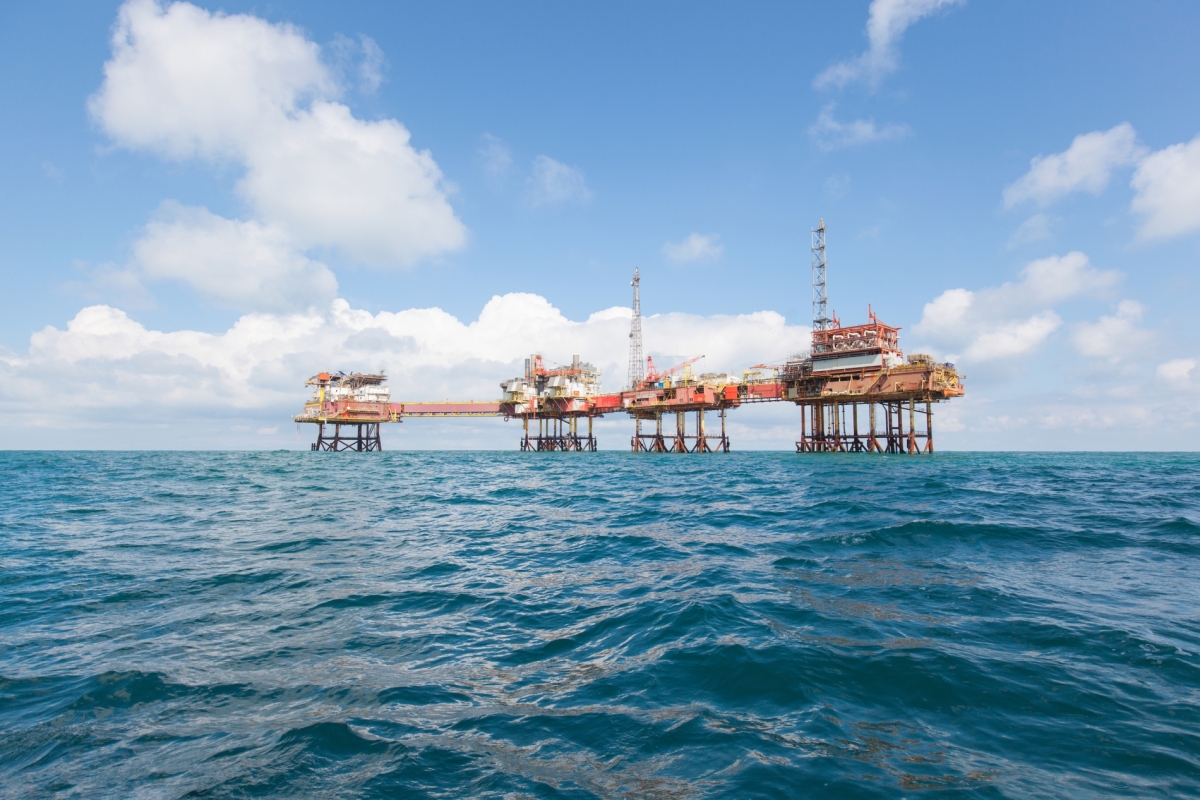
The pivot rests on the Greater Tortue Ahmeyim (GTA) project, the deep-water gas field straddling the maritime border between Mauritania and Senegal, operated by BP alongside Kosmos Energy.
Economic & Social Transformation
For decades, Mauritania sat at the margins of Africa's economic story: a vast, sparsely populated country of roughly five million people, dependent on iron ore, fish, and livestock, and buffeted by drought and commodity cycles. That picture is now changing faster than at almost any point since independence. The start of liquefied natural gas exports in 2025, one of the continent's most ambitious green hydrogen pipelines, and an IMF-anchored reform program have made Mauritania one of West Africa's most closely watched frontier economies in 2026.
Growth Turns a Corner as Gas Comes Online
According to World Bank estimates, GDP growth eased to 4.2 percent in 2025 but is projected to reach 4.4 percent in 2026 and 4.7 percent in 2027, driven by agricultural performance and gas production ramping up toward full capacity. Growth in the non-extractive economy has remained robust at around 5.7 percent—an important signal that new resource wealth is not simply crowding out the rest of the economy.
The pivot rests on the Greater Tortue Ahmeyim (GTA) project, the deep-water gas field straddling the maritime border between Mauritania and Senegal, operated by BP alongside Kosmos Energy. GTA's first phase began producing in January 2025, with LNG exports starting that April from a floating liquefaction vessel with capacity of about 2.5 million tonnes per year. By early 2026, Kosmos reported production exceeding the unit's nominal capacity, with operating costs falling more than 50 percent year on year.
More is planned. BP, Kosmos, and the national hydrocarbon companies are evaluating Phase 2, which would add between 2.5 and 3.0 million tonnes of annual capacity. Beyond GTA lies Bir Allah in Block C8, with estimated resources above 50 trillion cubic feet—one of the largest undeveloped offshore gas accumulations in the world. For a country whose exports were long dominated by iron ore and fish, hydrocarbons are already reshaping the current account: the trade deficit is narrowing as gas exports rise.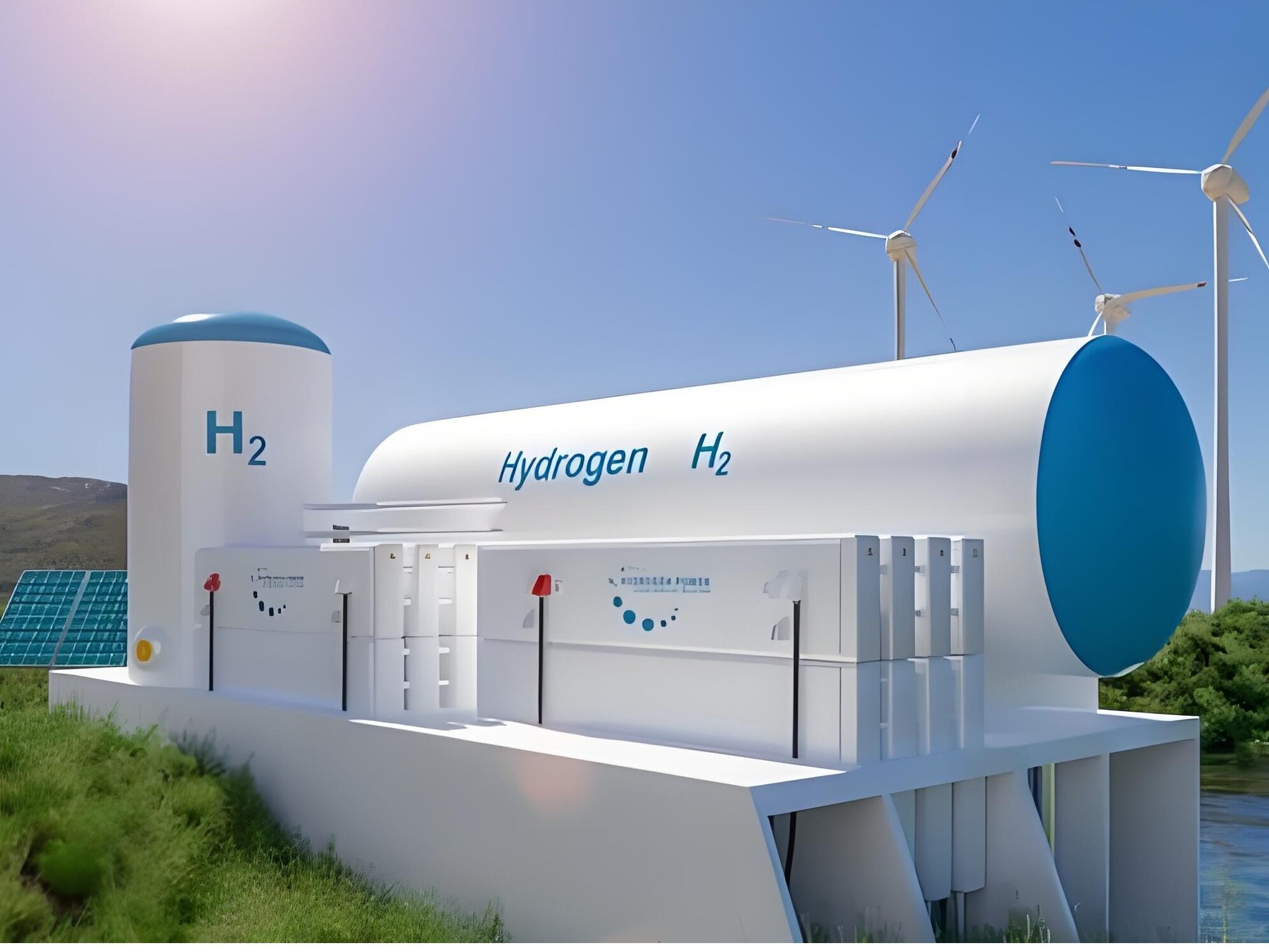
An IMF-Anchored Reform Program
Since January 2023, Mauritania has been supported by a 42-month IMF arrangement worth $86.9 million, and in December 2023 the Fund added a Resilience and Sustainability Facility of $258.2 million—designed to help the country adapt to climate change and manage the energy transition. The authorities have committed to channeling resource income through transparent budgetary frameworks. The African Development Bank's 2026 outlook emphasizes using the gas windfall to finance diversification rather than consumption.
Iron, Gold, and the Green Iron Gamble
The traditional extractive economy is being repositioned rather than replaced. The state-owned mining company SNIM has set a target of scaling iron ore production to 45 million tonnes annually by 2030. What is new is the plan to move up the value chain: in June 2024, SNIM signed an MOU with developer CWP to use green hydrogen from the proposed 30-gigawatt Aman project to produce "green iron" for export to European steelmakers facing carbon border taxes.
Gold has been a softer spot: production at Kinross's Tasiast mine fell roughly 20 percent in early 2025. But the hydrogen pipeline sets Mauritania apart. Alongside Aman, the country hosts Chariot and TotalEnergies' 10-gigawatt Project Nour and GreenGo's Megaton Moon development. Collectively, Mauritania's projects account for a large share of Africa's announced hydrogen capacity, with a government ambition to produce 12.5 million tonnes of green hydrogen annually by 2035, backed by an investment pipeline estimated at roughly $100 billion. Studies suggest full delivery could expand GDP by up to 60 percent by 2035 and create 100,000 to 150,000 jobs.
The Social Ledger: Progress, but a Wide Rural Gap
The ultimate test is whether this transformation reaches ordinary Mauritanians. Poverty fell from 27.0 percent in 2024 to 25.2 percent in 2025, lifting an estimated 55,000 people above the poverty line. Yet the geography of deprivation remains stark: some 77.1 percent of the rural population lives in multidimensional poverty, compared with 35.4 percent in urban areas—a gap gas revenues alone will not close, since offshore hydrocarbons generate few direct jobs.
The government has leaned on employment programs for vulnerable households and protected spending on agriculture and fisheries, which still employ most of the workforce. The strategic question is whether Mauritania can convert enclave resource projects into broad-based development—through local content, gas-to-power projects, and the education investments needed for Mauritanians to staff the new industries.
Outlook
Mauritania enters the second half of 2026 with a rare combination of assets: new export revenues, an intact IMF program, falling poverty, and one of the continent's most credible green hydrogen pipelines. The risks are equally clear—gas price volatility, execution risk on hydrogen megaprojects, a fragile Sahelian security environment, and the persistent rural-urban divide. But if even a fraction of the announced investment materializes, the country that was long a footnote in African economic surveys may become one of the decade's most instructive case studies in resource-led transformation.



