Written By |
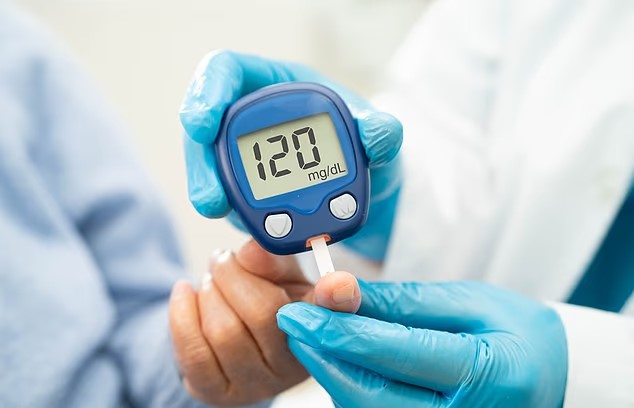
The studies also showed that ginger lowered HbA1c—a marker of long-term blood sugar—suggesting it could provide lasting benefits for diabetes management
Agencies
Researchers have revealed that a common kitchen staple—ginger—could serve as an effective natural remedy for type 2 diabetes, potentially reducing the need for medication, according to a new study.
Ginger (Zingiber officinale) has long been valued for its anti-inflammatory properties and traditional use in treating ailments such as morning sickness and arthritis. But now, scientists suggest it may also help regulate blood sugar levels, lowering the risk of diabetes-related complications including heart disease, kidney failure, and stroke.
Diabetes: A Growing Health Threat
Often described as a “silent killer,” type 2 diabetes is a growing public health challenge. More than 3.6 million people in England alone are estimated to be living with the condition, which develops when the body produces insufficient insulin or when insulin becomes less effective. Left untreated, high blood sugar can be life-threatening. Rising obesity rates and unhealthy lifestyle habits are considered major drivers of the increase in cases.
What the Study Found
Researchers reviewed five meta-analyses of previous studies examining ginger’s impact on inflammation, oxidative stress, morning sickness, and type 2 diabetes. They found benefits in all four areas, with ginger showing:
Importantly, the studies also showed that ginger lowered HbA1c—a marker of long-term blood sugar—suggesting it could provide lasting benefits for diabetes management.
Typical doses used in the studies ranged between one and three grams per day. However, researchers cautioned that variations in dosage may have influenced results, making it difficult to pinpoint the most effective intake. Large-scale clinical trials are now being planned to determine the optimal dosage and delivery methods.
The Urgency of Early Intervention
The findings follow recent alarming data showing that people diagnosed with type 2 diabetes before the age of 40 face a death rate four times higher than the general UK population. Younger patients were also found to have higher rates of complications such as eye damage and kidney failure, alongside persistently poorer blood sugar control.
Professor Amanda Adler, a co-author of the research, warned:
“Over the past 30 years, the number of young adults diagnosed with type 2 diabetes has increased markedly worldwide. Evidence suggests that younger-onset type 2 diabetes may be more aggressive than later-onset disease, with faster deterioration in pancreatic function and a higher risk of complications.”
Lead author Dr. Beryl Lin added: “Our data supports the need to proactively identify young adults with type 2 diabetes and provide high-quality care over their lifetimes. We urgently need clinical trials focused on younger people to develop tailored treatments, prevent complications, and crucially, reduce the risk of premature death.”
Torch Media Africa



