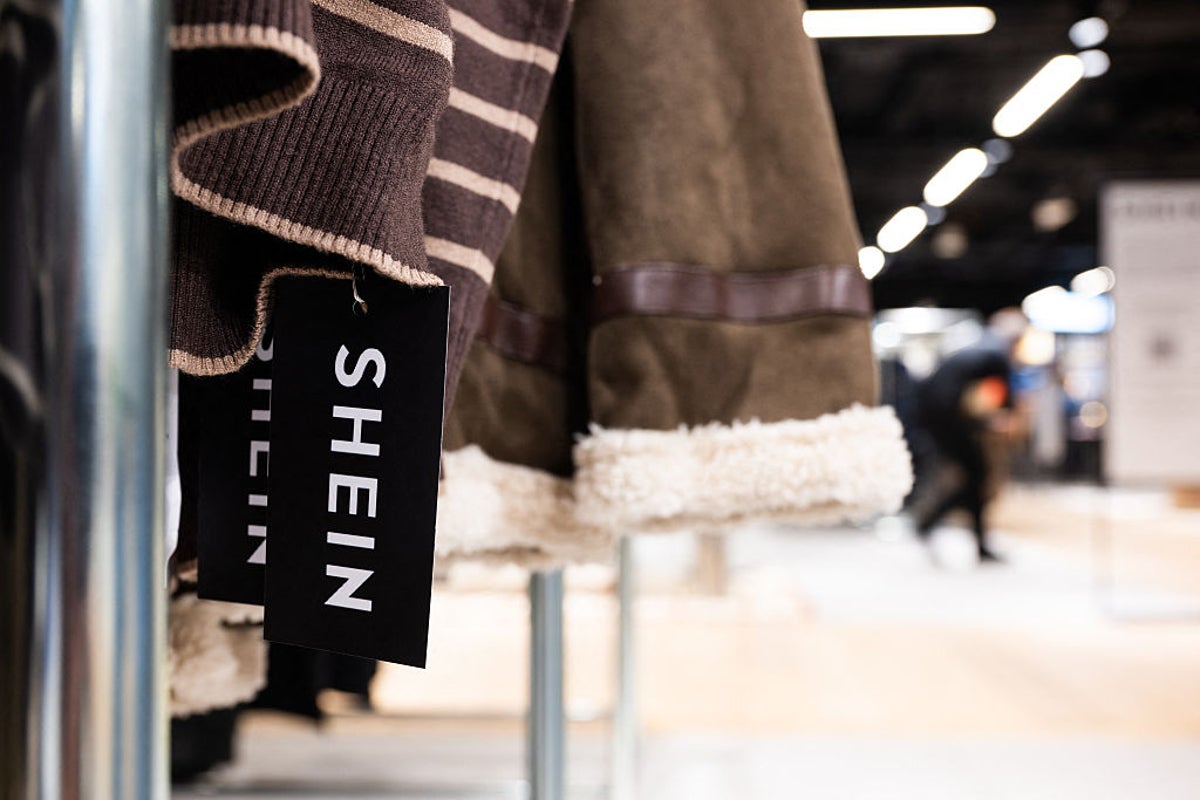
The ultra-fast-fashion giant has swallowed the brand that promised 'radical transparency.' Loyalists call it a betrayal, the industry calls it inevitable — and the fallout is forcing a hard conversation about what sustainable style really costs.
SAN FRANCISCO
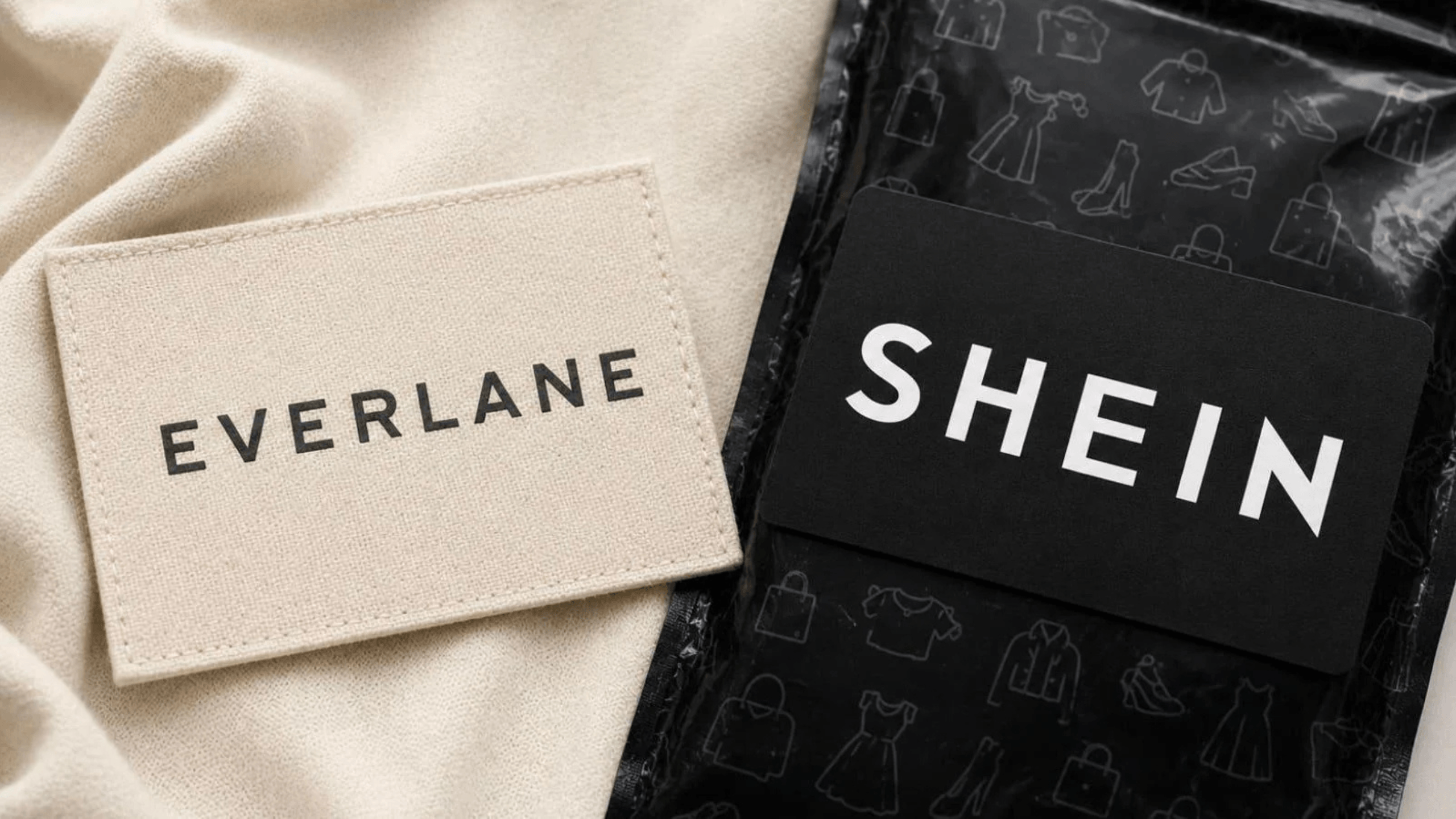
For fifteen years, Everlane sold more than T-shirts. It sold absolution. The San Francisco label built its name on "radical transparency" — publishing factory details and cost breakdowns, promising millennial shoppers that their minimalist wardrobes came with a clean conscience. Which is why the news still convulsing the fashion world feels, to the brand's faithful, less like a business transaction than a breakup: Everlane now belongs to Shein.
The deal — reported in late May and confirmed by The Business of Fashion and The New York Times — sees the Chinese-founded ultra-fast-fashion juggernaut acquire Everlane from majority owner L Catterton for a reported $100 million. The shock has not faded; if anything, the conversation has grown louder as the implications sink in.
How the Dream Unraveled
Everlane was founded in 2010 with a pitch perfectly tuned to its moment: "ethical factories, radical transparency." The brand showed you the factory where your $30 tee was sewn and itemized what it cost to make. It became a uniform for a generation that wanted to consume better without consuming less.
But the economics of ethical mid-priced basics proved brutal. The company had been carrying roughly **$90 million in debt**, and its leadership had been contemplating a sale for some time. When the music stopped, the buyer with $100 million in hand was not a luxury group or a values-aligned conglomerate. It was the very company that Everlane's entire identity was constructed in opposition to.
Why Shein Wanted It
From Shein's side, the logic is cold and clean. The acquisition hands the e-commerce giant a bigger foothold in the American market, a recognized brand with affluent coastal customers, and access to a higher-end online retail model it has never possessed. Shein conquered the world on volume and velocity — thousands of new styles a day at prices that defy physics. What it has never had is credibility with the customer who reads labels and asks questions. Everlane owned exactly that customer's trust. Or owned it.
Industry analysts see a familiar playbook: greenwashing by acquisition. Shein — which has faced years of scrutiny over labor practices, supply chain opacity and the sheer environmental mathematics of its output — gets to point at Everlane as its one organic brand. The question that matters: does Everlane change Shein, or does Shein change Everlane? Corporate history offers few comforting precedents.
The Mourning Period
The customer reaction has been swift and raw. Longtime Everlane shoppers flooded social media with eulogies, accusations of selling out, and screenshots of final orders. The sense of betrayal is personal in a way that few acquisitions manage, precisely because Everlane's marketing invited customers to make it personal. You were not buying a shirt; you were taking a stand. Now the stand has been acquired.
Critics within the sustainability community note that Everlane's halo had been slipping for years, with labor advocates questioning how "radical" its transparency remained. In this telling, the Shein deal is not the moment ethical fashion died — it is the moment its contradictions became impossible to ignore.
What This Means for Your Closet
If you are an Everlane customer, nothing changes overnight. But watch three things: whether published factory information remains as detailed, whether prices drift downward (and quality follows), and whether the product range balloons. Velocity is the tell. Everlane built its identity on fewer, better things; Shein built its empire on more, faster, cheaper. The two philosophies cannot both run one company.
More broadly, the deal is a reminder that a brand's values are only as durable as its balance sheet. For shoppers who care about how clothes are made, look for third-party certifications instead of marketing language, buy less and buy better, and remember that the most sustainable garment remains the one already hanging in your closet — or someone else's. The resale market does not get acquired.
The Final Word
Every era of fashion gets the cautionary tale it deserves, and the Shein-Everlane deal may be ours. A brand that promised to show us everything was sold, in the end, to a company famous for showing us as little as possible — and the price of a generation's good conscience turned out to be $100 million. Whether this becomes a story of redemption, dilution or quiet disappearance will play out on the racks over the next year. Until then, ethical fashion's most famous experiment belongs to fast fashion's most famous disruptor, and the rest of us are left holding the perfectly transparent, ethically sourced receipt.
Published By | Features Editor