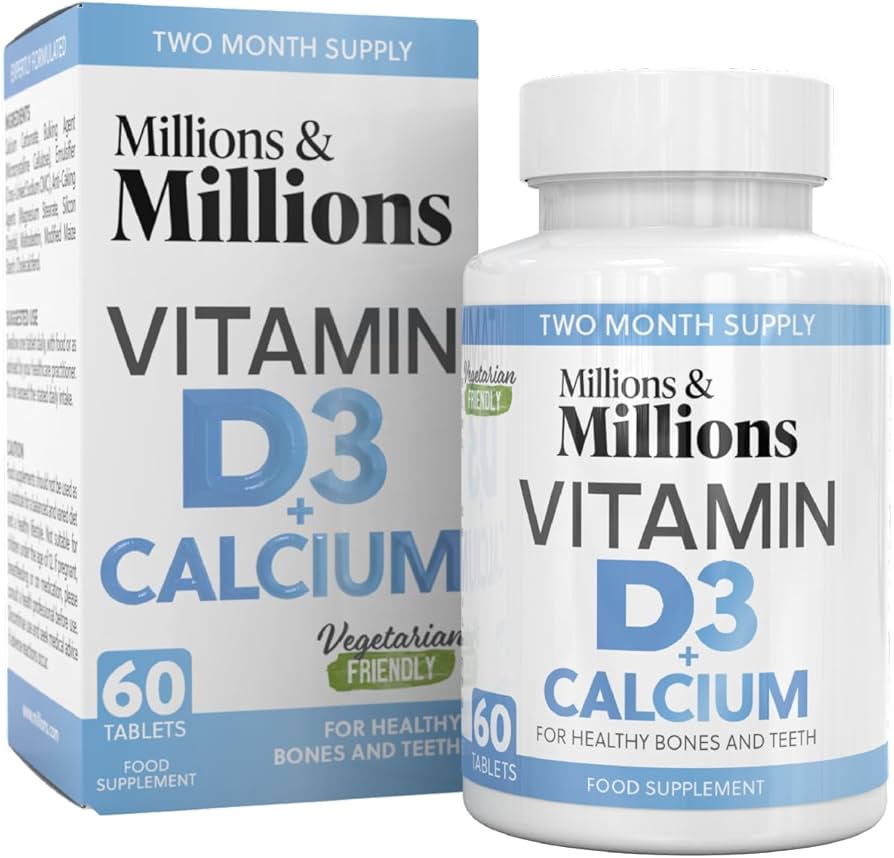
For decades, it's been the most reflexive piece of advice handed to anyone over 50: take your calcium, take your vitamin D, protect your bones. Pharmacy shelves groan under the weight of it. Doctors prescribe it almost on autopilot.
Now a massive new review, published in The BMJ on May 20, 2026, says the bones-and-supplements gospel that millions of older adults have lived by may simply not hold up — and the implications are rattling clinicians, guideline bodies, and the supplement industry alike.
A team led by Olivier Massé pooled the results of 69 randomized controlled trials encompassing 153,902 adults — a sample size large enough to settle arguments that smaller studies never could. Their question was simple: do calcium, vitamin D, or the combination actually prevent the fractures and falls they're so widely taken to prevent?
Their answer, in the dry language of clinical evidence, was about as close to a "no" as medical research gets.
Inside the Review
Across the pooled data, the researchers found that calcium alone, vitamin D alone, and both combined showed little to no clinically meaningful benefit for preventing fractures in most older adults. Hip fractures — one of the most feared injuries among the elderly — showed no meaningful reduction in risk. Falls also showed little to no measurable benefit.
The certainty of evidence behind these null findings was rated moderate to high for many key outcomes. This wasn't a shaky, underpowered study — it was a large, methodologically robust synthesis of the best available data.
The researchers flagged caveats: the conclusions may not apply to people with specific bone disorders or those already undergoing drug treatment for diagnosed osteoporosis. But the topline message was blunt. The authors wrote that the findings "do not support routine supplementation with calcium or vitamin D, or combined supplementation to prevent fractures and falls," and urged that "clinicians, guideline panels, and regulatory agencies should re-evaluate their general recommendations."
The Guidelines Are Already Starting to Shift
This review arrives just as the U.S. Preventive Services Task Force has been moving in a strikingly similar direction. In a recent draft recommendation, the USPSTF concluded that older adults should not take vitamin D supplements, with or without calcium, specifically to prevent falls or fractures.
Importantly, both the BMJ review and the USPSTF draft carve out a narrow exception: people already diagnosed with osteoporosis, confirmed vitamin D deficiency, or a condition that impairs absorption. For those patients, supplementation may still serve a legitimate purpose. The new guidance is aimed at "primary prevention" — giving supplements to broadly healthy, community-dwelling older adults on the theory that it might prevent problems before they start.
Why the Old Advice Took Hold
Earlier research suggested plausible biological mechanisms: calcium is the building block of bone mineral density, and vitamin D is essential for absorption. On paper, supplementing both seemed like an obvious way to shore up skeletal strength.
That biological plausibility, combined with earlier trials showing modest benefits in specific subgroups — often frail or institutionalized populations — was enough to cement the advice into mainstream practice. Once advice like that takes hold, it tends to calcify into reflexive habit.
What this new wave of large-scale reviews is revealing is a familiar story: a plausible mechanism and some encouraging early data don't always survive contact with bigger, better-designed evidence.

What This Means for You
If you're an otherwise healthy older adult taking calcium and vitamin D supplements purely as a precaution, this research suggests that habit may not be doing what you think it's doing. That doesn't mean panic and toss the bottle today — it means this is worth raising with your doctor.
The conversation worth having is specific: Has your vitamin D level actually been tested and found low? Have you been diagnosed with osteoporosis? Are you on a bone-specific medication? If the answer is yes, this review isn't telling you to stop. If the answer is no, and you've simply been taking the pills because that's what you've always been told, it may be worth asking whether you're getting any measurable benefit at all.
Doctors have converged on a few practical reorientations: weight-bearing exercise, resistance training, and balance work have stronger evidence for reducing fall risk than pills do. Adequate dietary calcium from food remains sensible. Home safety modifications — better lighting, removing trip hazards, grab bars — continue to be among the most evidence-backed, low-cost fall-prevention strategies available.
There's also a financial angle: these supplements represent a real cost for many older adults on fixed incomes, often purchased monthly for years. If that protection isn't materializing, that's money that could be redirected toward interventions with sturdier evidence.
The Bigger Picture
This review joins a growing list of widely held supplement assumptions that have been complicated or overturned by large, rigorous reviews. For the tens of millions of older adults currently taking these supplements, the message isn't "you've been duped" — it's that medicine is doing exactly what it's supposed to do: testing its own assumptions against the best available evidence, and being willing to say so when the data doesn't support the old advice.
The Bottom Line
A review spanning 69 trials and nearly 154,000 people has found that calcium and vitamin D supplements offer little to no meaningful protection against fractures or falls for most older adults — a finding now echoed in draft U.S. government guidance. The exception remains people with diagnosed osteoporosis or vitamin D deficiency. For everyone else, it may be time to ask: is this pill actually doing anything — or is it just habit?
Sources: The BMJ; ScienceDaily; Medical Xpress; BMJ Group; U.S. Preventive Services Task Force
Published By | Features Editor