Written By | Staff Writer
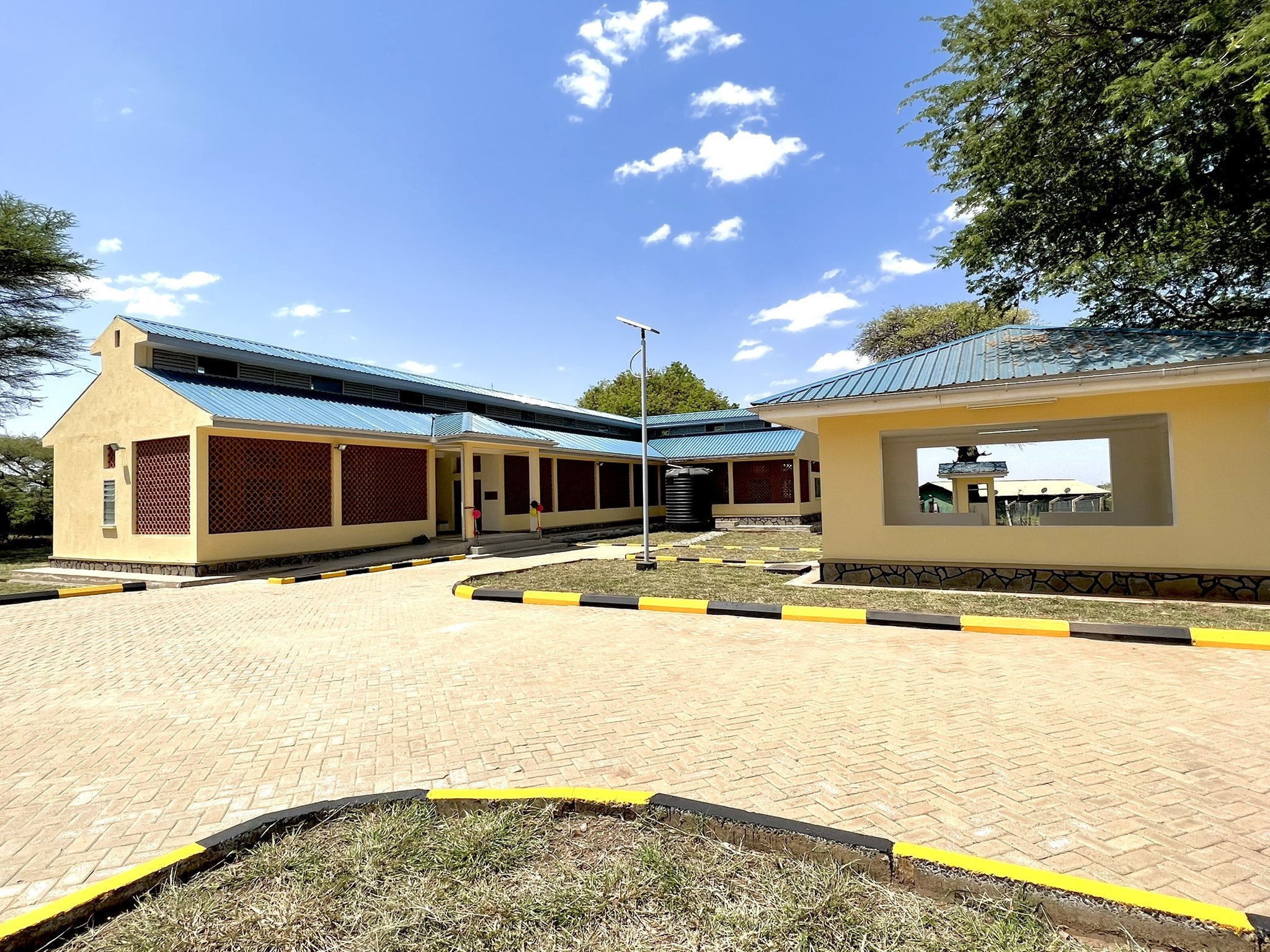
New Maternity ward at Moroto Regional Refferal Hospital
PARLIAMENT
The Parliamentary Public Accounts Committee has directed investigations into the alleged disappearance of medical equipment valued at approximately Shs4.9 billion, procured by the Ministry of Health for Moroto Regional Referral Hospital during the 2024/2025 financial year.
The directive followed a committee hearing in which hospital officials were unable to satisfactorily account for several items identified in the Auditor General's report as having been delivered or allocated to the facility, raising serious questions about procurement integrity, asset custody, and the availability of essential healthcare infrastructure in the Karamoja region.
The committee, chaired by Vice Chairperson Sarah Lwansasula, is seeking to establish whether the equipment reached Moroto, was transferred to other facilities, remained in storage, or was never delivered despite government expenditure being recorded.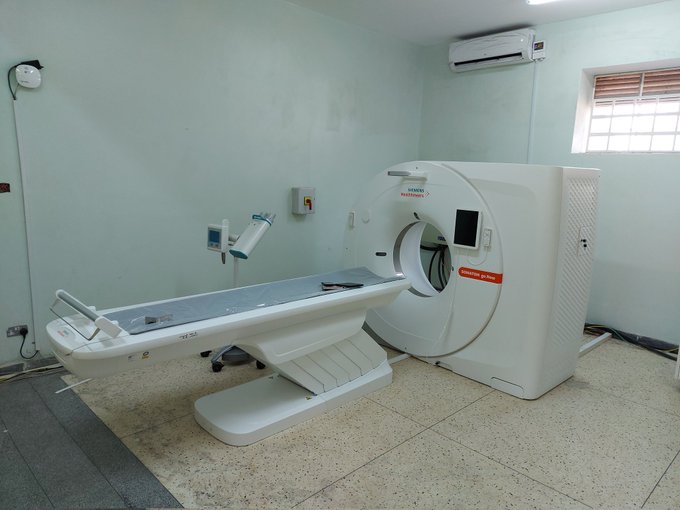
Moroto Regional Referral Hospital CT Scan
What the Auditors Found
Representatives of the Auditor General told MPs that auditors had used Ministry of Health delivery records to identify equipment intended for Moroto before attempting to verify the items physically at the hospital. The process revealed discrepancies between what was documented in delivery records and what hospital officials could physically account for.
Among the items reportedly listed as not received were an ICT monitor and an ICT compressor. Other equipment — including mobile X-ray machines, blood gas analysers, central patient monitoring units, ICU beds, neonatal ventilators, patient monitors, and an oxygen plant — was reported as available but not in use in several cases.
The committee noted the significance of that distinction. Equipment that is not operational or improperly stored presents a different accountability question from equipment that was never delivered. The investigation must therefore establish the precise status of each item.
The audit concerns also extend to equipment supplied to regional referral hospitals during the COVID-19 period, following reports that some intensive care equipment was either non-functional or could not be physically located.
Hospital Delegation Appears Before Parliament
The hospital delegation, led by Director Dr Stephen Pande and Principal Hospital Administrator Paul Ajur, appeared before PAC Central to respond to the audit queries.
Dr Pande told the committee that he had arrived in Moroto in 2023, two years after the delivery of the equipment in question, and argued that further tracing was necessary.
"Although I take responsibility, I came late in Moroto in 2023, two years after the new delivery," he said.
His explanation prompted questions from MPs about what steps hospital management had taken after the audit findings were raised. Lwansasula challenged the hospital's accounting leadership to explain whether the equipment had been personally verified and what corrective action had followed once the discrepancies became known.
The committee's position was that reporting equipment as missing or unaccounted for cannot substitute for a documented effort to establish its whereabouts, delivery history, and custodial responsibility.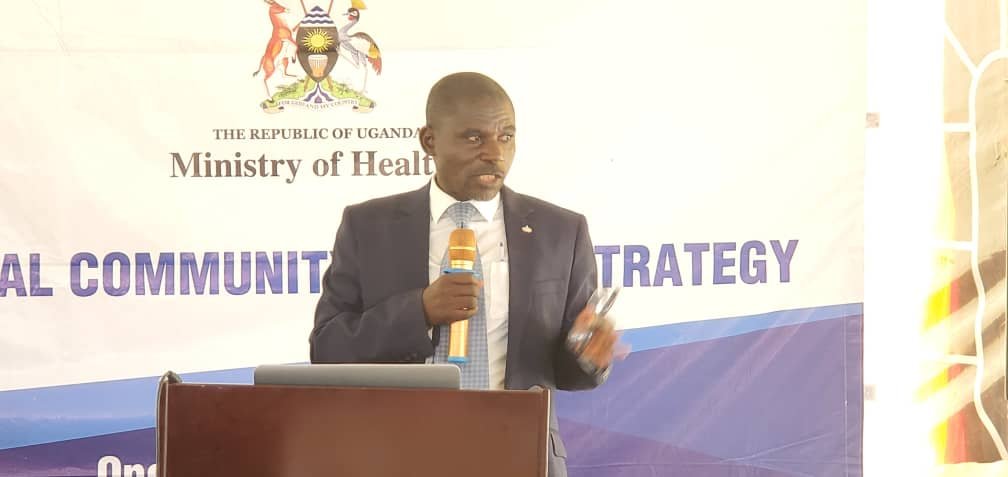
Dr Stephen Pande
Calls for Criminal Investigation
Bunyole West MP James Waluswaka proposed that the Criminal Investigations Directorate of the Uganda Police Force investigate the matter and determine what happened to the public funds involved.
"Government spent Shs4.9 billion of taxpayers' money, and the equipment did not reach Moroto Regional Referral Hospital," he said.
Elgon County MP Ignatius Mudimi Wamakuyu seconded the proposal, calling for the investigation to extend beyond the hospital to the Ministry of Health and other officials involved in procurement and delivery.
The proposed investigation would need to examine procurement documentation, supplier delivery records, goods-received notes, asset registers, and transfer records to establish who took custody of the equipment and at which point in the supply chain any discrepancy arose.
Four Ambulances Also Unaccounted For
The committee was additionally informed that four ambulances, reportedly valued at approximately Shs5.062 billion, could not be traced.
Hospital management told MPs that it had begun compiling an ambulance responsibility report to establish the location and status of the vehicles, but four remained unaccounted for.
The revelation prompted further questions about whether the ambulances had been delivered to Moroto, allocated to other facilities, or signed for without being physically received. The committee directed that the investigation establish the delivery and custody history of each vehicle, including the identity of officials who received or authorised any transfer.
Moroto Regional Referral Hospital CT Scan
Incomplete Infrastructure
MPs were also told that a structure reportedly intended to house some of the equipment had not been completed. The UPDF Engineering Brigade was said to have been expected to construct a shed, but the facility remained unfinished.
The incomplete structure raises a practical question about whether the absence of suitable infrastructure contributed to equipment remaining unused, improperly stored, or difficult to verify — though its existence does not on its own establish that equipment disappeared or that any official committed wrongdoing.
Ministry Officials to Be Involved
PAC proposed involving the Ministry of Health's Permanent Secretary, procurement officials, and finance officials in explaining the procurement, delivery, and custody of both the medical equipment and the ambulances. The proposed inquiry places accountability across the entire supply chain rather than limiting the investigation to Moroto Regional Referral Hospital.
Uganda's Public Finance Management Act, 2015, requires accounting officers to maintain asset registers, ensure regular inspection of public assets, and remain personally accountable to Parliament for the resources under their management.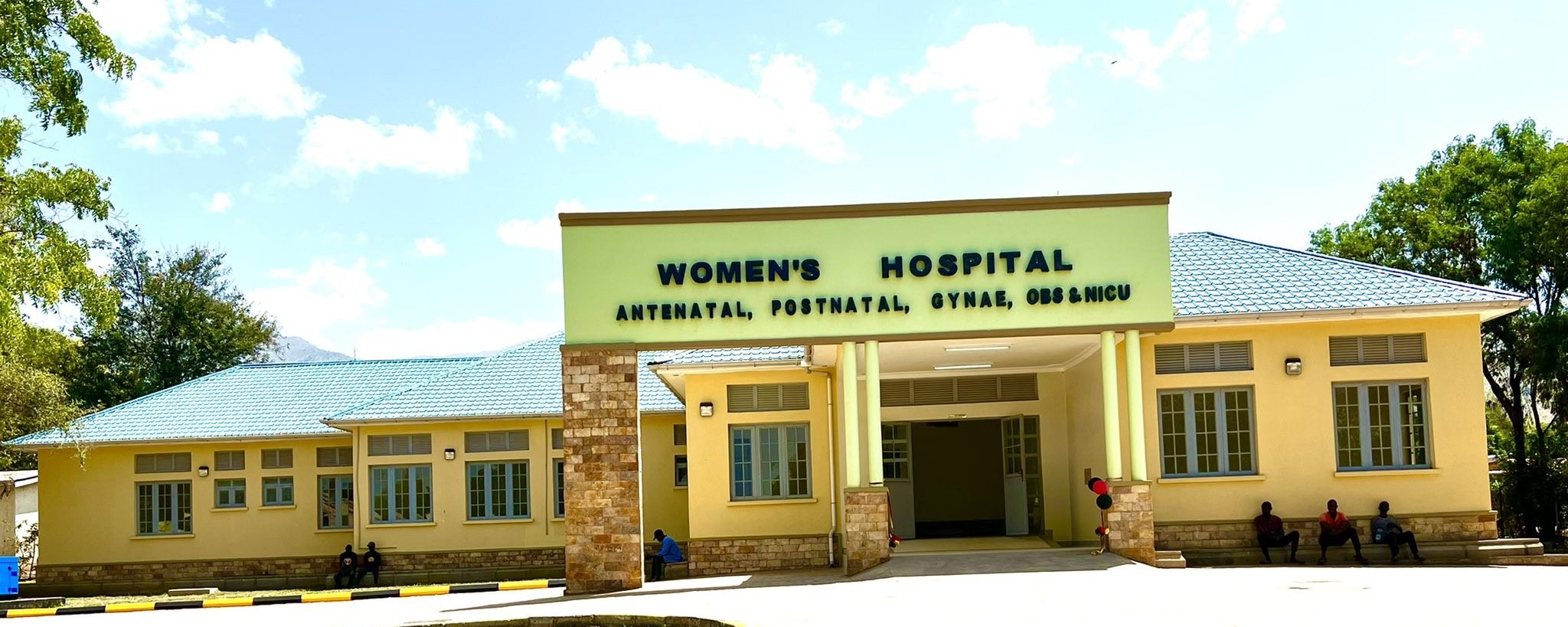
The Broader Stakes
For Moroto Regional Referral Hospital, which serves the wider Karamoja region, the consequences of unavailable or non-functional equipment extend well beyond the accounting records. Diagnostic capacity, emergency treatment, intensive care, and neonatal services depend not only on procurement but on the delivery, installation, maintenance, and operational readiness of the equipment procured.
A procurement expenditure becomes a public-service outcome only when the equipment is delivered, secured, commissioned, and available for its intended clinical purpose.
The committee's investigation will test whether public institutions can account for the expenditure, restore service capacity where possible, and prevent similar failures from recurring.



