Written By | Mike Omuodo
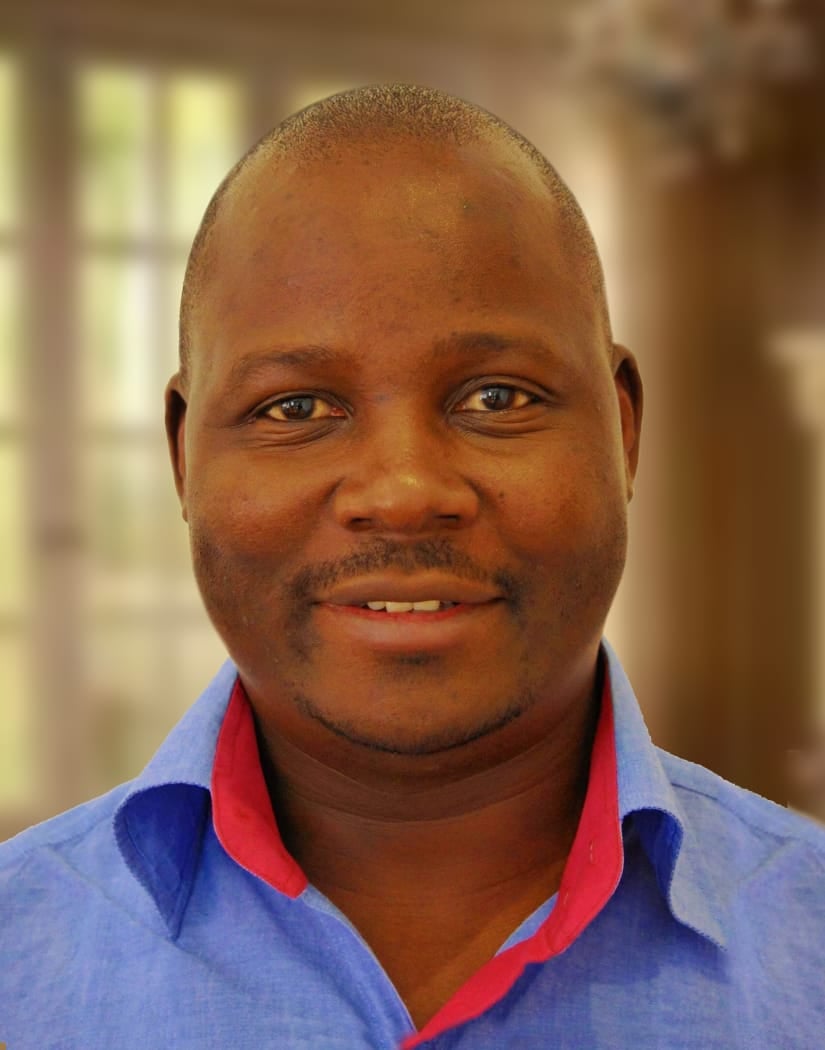
Mr. Omuodo is a Pan-African public relations and communications expert based in Nairobi, Kenya. He can be reached at mike.omuodo@mediafast.co.ke.
In an online post, a commentator asked an intriguing question:
“If the African Union (AU) cannot create a single currency, a unified military, or a common passport, then what exactly is this union about?”
The comment section went wild. Some argued that the AU no longer serves the interests of the African people, but rather those of the West and individual nations with greedy interests in Africa's resources. Some even joked that it should be renamed “Western Union.”
But seriously—how has a country like France managed to maintain economic leverage over 14 African states through its CFA franc system, yet the continent is unable to create its own single-currency regime? Why does the continent appear comfortable with global powers establishing military bases throughout its territories, yet show little interest in building a unified African military? Why does the idea of open borders alarm our leaders, driving them to retreat behind the shield of sovereignty?
These questions interrogate the AU’s relevance in the evolving geopolitical landscape.
There is no doubt that the AU remains symbolically relevant. It speaks on behalf of Africa on global platforms and represents the continent’s unity. But the unease surrounding it is understandable—because symbolism is no longer enough.
In a continent grappling with persistent conflict, economic fragmentation, and democratic reversals, institutions are judged not by their presence, but by their impact.
From online discussions and social media platforms, many Africans appear dissatisfied with the African Union’s performance so far. To many, the organization seems out of touch with reality, prompting calls for an immediate reset. Some critics describe the AU as a club of elites whose main achievements have been safeguarding fellow leaders accused of wrongdoing.
One commentator wrote, “The AU’s main job is to congratulate dictators who kill their citizens to retain power through rigged elections.” Another said, “The AU is a bunch of atrophied rulers dancing on the graves of their citizens, looting resources and stashing wealth in foreign countries.”
These views may sound harsh, but they reflect how sections of the public perceive the organization across the continent.
The African Union, established in July 2002 to succeed the Organisation of African Unity (OAU), was born out of an ambitious vision: to unite the continent toward self-reliance by driving economic integration, enhancing peace and security, promoting good governance, and representing Africa on the global stage in the post-colonial era.
Over time, however, the gap between this vision and present-day realities has widened. The AU often appears unable to decisively address growing conflicts across the continent—from recurring coups and disputed elections to external aggressions.
This perceived weakness has gradually eroded public confidence. Increasingly, the AU is seen as a forum for speeches rather than solutions. As one commentator bluntly put it, “The AU has turned into a farcical talk shop that cannot bark or bite.”
A common sentiment among critics is that the AU appears stagnant and has little to show for more than 60 years of continental institutional existence (including the OAU era). It is frequently described as toothless and subservient to the interests of powerful external actors.
Some commentators have even called for its dissolution and the formation of a new body that would better serve the interests of the continent and its people. Such sentiments amount to a vote of no confidence.
To regain credibility and remain a force for continental good, the AU must undertake critical reforms, enhance accountability, and demonstrate political courage with urgency. Without these steps, it may endure in form while fading in substance.
The real question is not whether Africa needs the AU. The question is whether the AU is willing and ready to become the institution Africa needs—one bold enough to push for a common market, a single currency, a unified military, and a common passport regime.
It is possible.
Mr. Omuodo is a Pan-African public relations and communications expert based in Nairobi, Kenya. He can be reached at mike.omuodo@mediafast.co.ke.
Torch Media Africa



