Written By | Health News Agencies
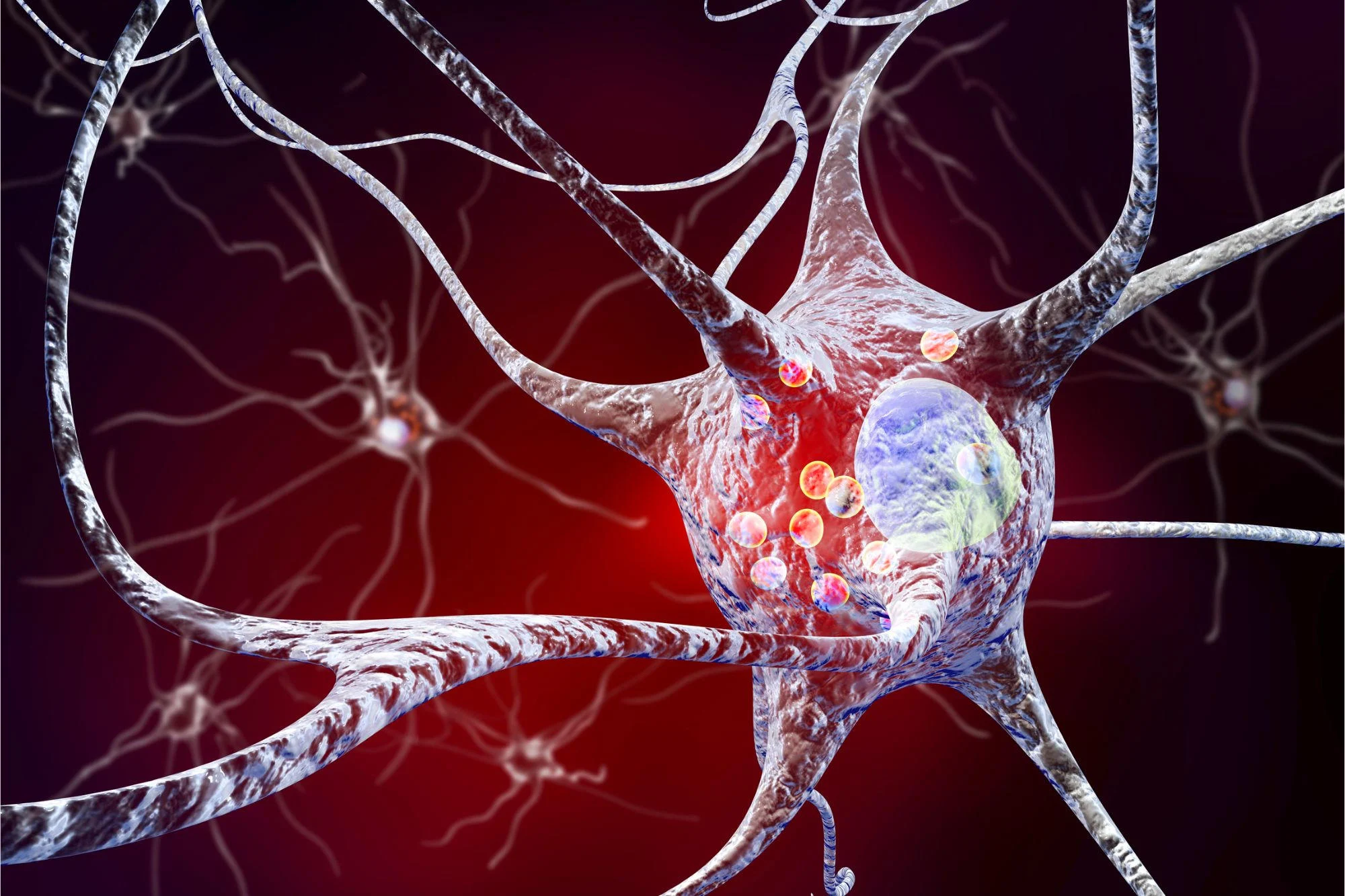
A protein once dismissed as brain scaffolding turns out to be a frontline soldier against toxic clumps that destroy memory and movement — and boosting it might be the next big therapeutic target.
HOUSTON
For decades, the protein tubulin was treated like the brain's furniture mover — structural, useful, and utterly unglamorous. It built the microscopic "railway tracks" called microtubules that haul cargo inside neurons. Nobody thought of it as a fighter.
That assumption just collapsed. Scientists at Baylor College of Medicine have discovered that tubulin is an active bodyguard, capable of intercepting two of neuroscience's most notorious killers — the proteins Tau and alpha-synuclein — before they turn toxic. The findings, published in Nature Communications, flip a long-standing assumption about neurodegeneration and open the door to an entirely new treatment strategy: instead of clearing toxic clumps after they form, doctors might one day give the brain more of its own bodyguard protein.
For the nearly 8 million Americans living with Alzheimer's or Parkinson's — and millions more to come — that reframing couldn't be more urgent.
THE USUAL SUSPECTS — AND THE TWIST NOBODY SAW COMING
In a healthy brain, Tau and alpha-synuclein are essential: Tau stabilizes microtubules, while alpha-synuclein helps shuttle chemical messages. But in Alzheimer's, Tau twists into "neurofibrillary tangles." In Parkinson's, alpha-synuclein clumps into Lewy bodies. Two helpful proteins become weapons of destruction.
For years, the dominant strategy was to block the formation of tiny droplets called "condensates" where these proteins congregate. The trouble: those same droplets are where they do healthy work. Block them entirely, and you break something the brain needs.
"This led us to the following idea: what if instead of preventing droplet formation, we created conditions that would drive Tau and alpha-synuclein inside the droplets toward their healthy path?" said Dr. Allan Chris M. Ferreon, co-corresponding author.
TROUBLEMAKER KIDS AND THE TEACHER WHO SHOWED UP
First author Dr. Lathan Lucas offered an analogy: "Think of Tau and alpha-synuclein as troublemaker kids in school. You can keep them in the classroom with little to do but act out, or keep them engaged so they don't get in trouble. We found that tubulin can drive them down a healthy path."
Using biochemical methods and neuron-based assays, the team tested whether tubulin could change the behavior of Tau and alpha-synuclein inside condensates. When tubulin was low — a condition observed in Alzheimer's patients — microtubules became scarce, and the proteins misfolded into toxic aggregates. But when tubulin was abundant, Tau and alpha-synuclein stopped clumping and instead built new, healthy microtubules.
"When tubulin is present," Lucas explained, "Tau and alpha-synuclein shift away from harmful aggregates and instead promote healthy microtubule assembly. Tubulin redirects them by giving them something productive to do."
FROM PASSIVE CASUALTY TO ACTIVE PROTECTOR
"Our findings significantly shift tubulin's role in neurodegeneration, from a passive casualty to an active protector against toxic protein aggregation," Ferreon said. "Boosting the tubulin pool, rather than blocking droplet formation, can curb toxic aggregation while preserving healthy roles — offering a potential selective therapeutic strategy."
Most Alzheimer's and Parkinson's research has chased two strategies: clear toxic protein after it accumulates, or prevent misfolding. Boosting a structural protein to "out-compete" disease pathways is a genuinely different lever — and one that could complement existing approaches.
WHY THIS MATTERS NOW
Alzheimer's alone is projected to cost the U.S. health system $409 billion in 2026, with nearly 1 in 9 Americans over 65 living with the disease. Parkinson's is the fastest-growing neurological disorder globally, with U.S. cases expected to exceed 1.2 million by 2030.
Existing treatments are limited to symptom management or modest slowing of decline — with risks like brain swelling. Translating "boost tubulin" into a safe, deliverable drug is a multi-year project. But neuroscientists have long argued the field needed a fundamentally new option after repeated high-profile failures.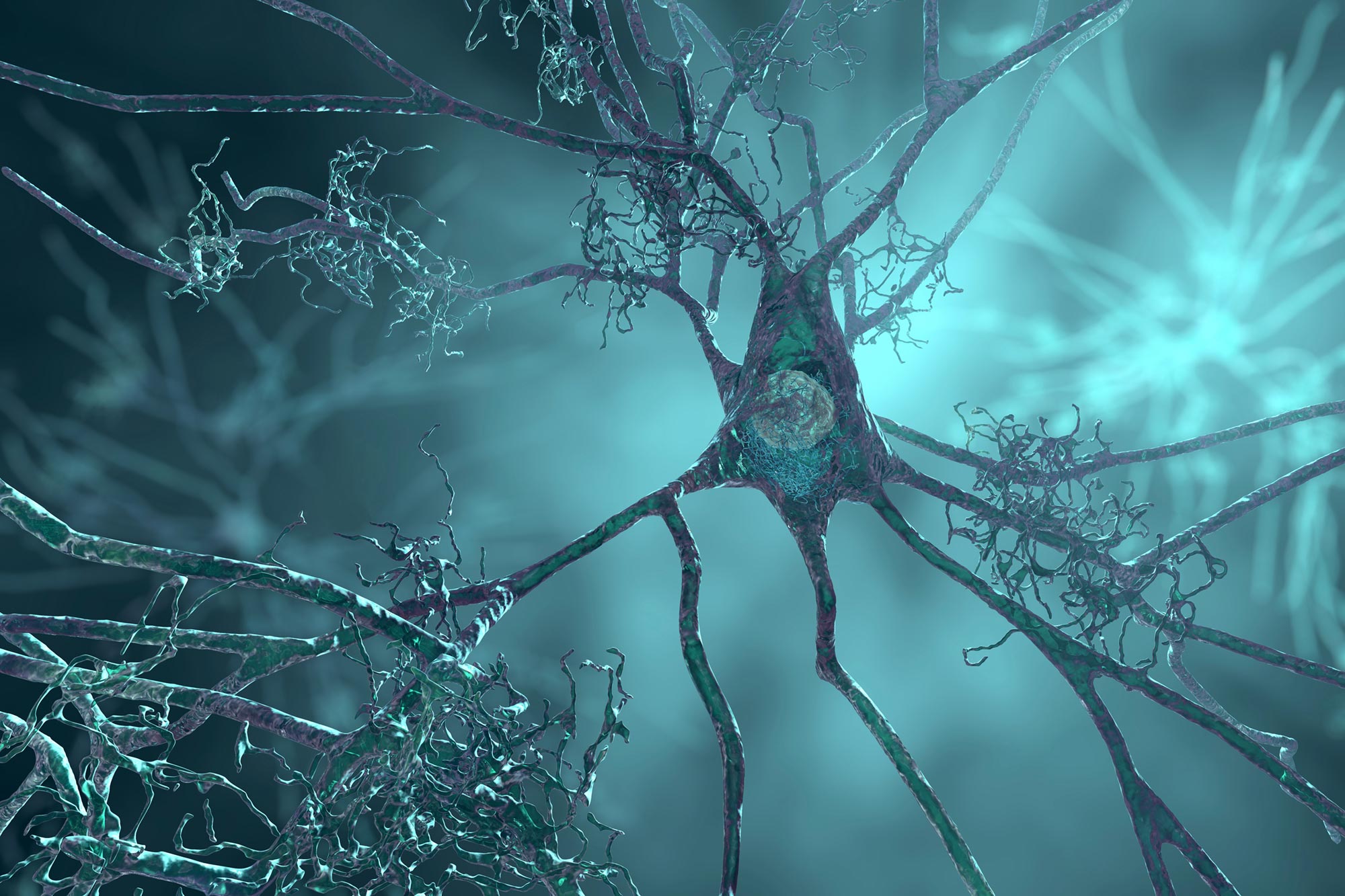
WHAT THIS MEANS FOR YOU
If you or a loved one has Alzheimer's or Parkinson's, here's the honest take: this is basic science, not a treatment. It's not something your neurologist can prescribe. In the best case, it takes five to ten years to mature into a drug candidate — with no guarantee of success.
What it offers is a genuinely new hunting ground for drug developers, and cautious optimism that the field isn't out of ideas. It also offers reassurance: Tau and alpha-synuclein aren't villains by nature — they're proteins doing important jobs that go wrong only when the cellular environment fails. Future therapies may not need to eliminate them, just keep them gainfully employed.
For now, the most useful advice remains the standard: cardiovascular health, exercise, cognitive engagement, and sleep all support healthy microtubule function and are linked to lower dementia risk.
THE BOTTOM LINE
Science has a habit of finding heroes in unlikely corners, and tubulin's promotion from structural filler to frontline defender is one of the year's more compelling twists. The Baylor team's work doesn't hand families a new treatment tomorrow — but it hands the field a new question worth chasing: what if the secret to stopping Alzheimer's and Parkinson's was never about destroying troublemakers, but about keeping them busy enough to behave?
For millions of families watching loved ones lose pieces of themselves, that's not nothing. It's a door that didn't exist a month ago — and in a field starved for new doors, that counts as real news.
Source: Lucas, L., Tsoi, P.S., Quan, M.D., Choi, K-J., Ferreon, J.C., Ferreon, A.C.M. "Tubulin transforms Tau and α-synuclein condensates from pathological to physiological." Nature Communications, 2026.



