Written By | Peter Luzinda
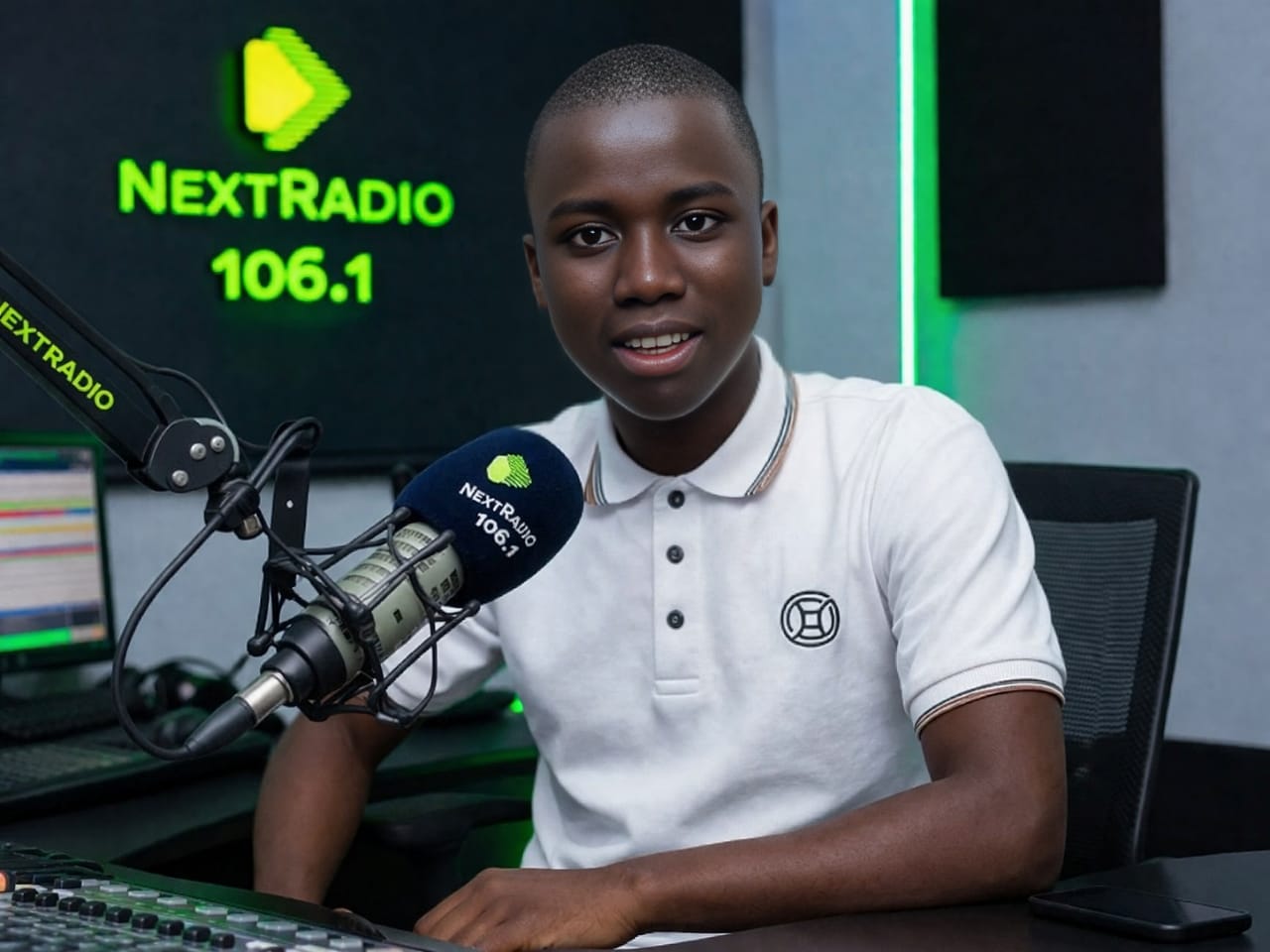
16-year-old youth advocate, media entrepreneur, and civic activist Nyanzi Martin Luther. [File: Courtesy]
Kampala
Just days after a machete-wielding attacker brutally murdered four toddlers at a Kampala nursery school, a bold new legislative proposal is dominating headlines and conversations across Uganda. The Proportional Justice Bill, 2026, which seeks to introduce strict “eye-for-an-eye” principles into the country’s criminal justice system, is rapidly emerging as a powerful response to growing public anger over violent crime and perceived judicial weakness.
Drafted by 16-year-old youth advocate, media entrepreneur, and civic activist Nyanzi Martin Luther in collaboration with legal experts, the bill remains in its conceptual stage. It has not yet been formally tabled in Parliament, but its central idea — that punishment must precisely match the harm inflicted on victims — is already igniting fierce national debate.
The Ggaba Attack That Shattered the Nation
The proposal’s swift rise comes in direct response to the horrific events of April 2, 2026, at the Ggaba Early Childhood Development Program school in Makindye Division, Kampala. A 39-year-old suspect, identified as Christopher Okello Onyum, allegedly posed as a concerned parent inquiring about enrollment. Once inside the facility, he launched a savage attack with machetes and knives on helpless toddlers.
The victims were:
- Eteku Gideon, aged 2
- Ryan Odeke, aged 2
- Ignatius Sserwange, aged 3
- Kaise Alungat, aged approximately 2–3 years
All four children died at the scene. The suspect was overpowered by an angry crowd of parents and bystanders and handed over to police. Investigations into the motive are ongoing, with early indications suggesting possible mental health issues, though authorities have not released official confirmation.
This tragedy has intensified long-standing frustrations over child safety in Uganda, where violent crimes against minors, including ritualistic killings and abductions, continue to leave families devastated and questioning the effectiveness of the justice system.
What the Proportional Justice Bill Proposes
Nyanzi Martin Luther has described the bill as a necessary wake-up call to systemic failures that allow violent offenders to escape meaningful accountability. “We cannot keep burying our babies while killers receive kid-glove treatment,” he stated. “Justice must hurt exactly as much as the crime inflicted on the victims.”
Key elements of the draft include:
- Strict Proportionality: Punishments designed to mirror the exact nature and severity of harm caused to victims.
- Tiered Offence Categories: Crimes classified as minor, intermediate, grave, or capital, each with mandatory sentencing guidelines to limit excessive judicial discretion in serious cases.
- Special Protections for Children: Significantly harsher, mirrored penalties when victims are minors.
- Victim-Centered Remedies: Scaled compensation for affected families and the establishment of a national Victim Compensation Fund.
- Constitutional Safeguards: Clear commitments to fair trials, due process, and the right to appeal.
The initiative is currently open for public input from lawyers, religious leaders, parents, civil society organisations, and ordinary citizens. Its creators hope this inclusive approach will refine the proposal before seeking sponsorship by a Member of Parliament.
Public Support Meets Expert Caution
Many Ugandans, especially parents and residents in affected communities, have warmly received the concept as a much-needed deterrent in a country struggling with rising violent crime. Supporters believe current sentencing practices often fail to deliver closure or prevent repeat offences, and that proportional justice could help restore public trust in the legal system.
At the same time, human rights advocates and senior legal scholars have voiced concerns. Critics argue that rigid retributive measures could clash with Uganda’s Constitution, international human rights standards, and the important goal of offender rehabilitation. They emphasise the need for careful implementation to avoid potential abuses and ensure fairness across all cases.
A Nation Grappling With Tough Questions
The Proportional Justice Bill arrives amid broader discussions on legal and governance reforms in Uganda. Yet the fresh trauma of the Ggaba massacre has given it unique emotional weight and urgency.
As the country mourns the four young lives lost, this draft has become more than a legal document — it represents a deeper national conversation about protection for the vulnerable, the balance between punishment and rehabilitation, and the kind of justice Ugandans truly want.
Nyanzi Martin Luther and his team continue to invite constructive feedback, positioning the bill as the start of genuine dialogue rather than a final product. Its future will depend on public engagement, expert refinement, and political support in Parliament.
Torch Media Africa



