Written By |
According to research, Globally, sepsis is a leading cause of death, contributing to approximately 13.7 million deaths annually
OPINION
On September 13th, 2024, the Uganda National Health Users’/Consumers’ Organization (UNHCO), the Ministry of Health, and the World Alliance for Lung and Intensive Care Medicine in Uganda (Walimu) join the global community in observing World Sepsis Day under the theme: “Sepsis Prevention: Save Lives, Stop Suffering.” This day serves as a poignant reminder of the urgency to combat sepsis, a life-threatening condition that arises from the body's extreme response to infections.
Understanding Sepsis: A Silent Killer
Sepsis is characterized by life-threatening organ dysfunction resulting from a dysregulated host response to an infection. Essentially, sepsis occurs when the body’s immune system, in its attempt to fight an infection, mistakenly starts attacking its own tissues and organs. This misguided response can lead to shock, multi-organ failure, and, if not identified and treated promptly, death.
Globally, sepsis is a leading cause of death, contributing to approximately 13.7 million deaths annually. Shockingly, 30% of these deaths occur in Sub-Saharan Africa. The prevalence is so severe that one in every five deaths worldwide is linked to sepsis. Children under the age of five are particularly vulnerable, with 40% of sepsis cases affecting this age group. Additionally, up to half of those who survive sepsis endure long-term physical and psychological consequences.
Sepsis in Uganda: A Critical Situation
In Uganda, sepsis poses a grave health threat. Data reveals that one in every four hospital admissions involves sepsis. Furthermore, half of the patients with chronic illnesses such as diabetes, cancer, lung disease, and kidney disease admitted to hospitals are affected by sepsis. Alarmingly, three out of ten adult patients visiting emergency units in Uganda meet the criteria for sepsis, with more than half (58.9%) of these patients succumbing to the condition. Neonates are not spared, with a concerning statistic of 17 out of 1,000 newborns dying from sepsis each year.
The demographic most at risk includes the elderly, pregnant women, neonates, individuals with chronic illnesses, and those with weakened immune systems. Sepsis does not discriminate; anyone who suffers from an infection can develop sepsis, but those with compromised health are particularly vulnerable.
The Resource Challenge
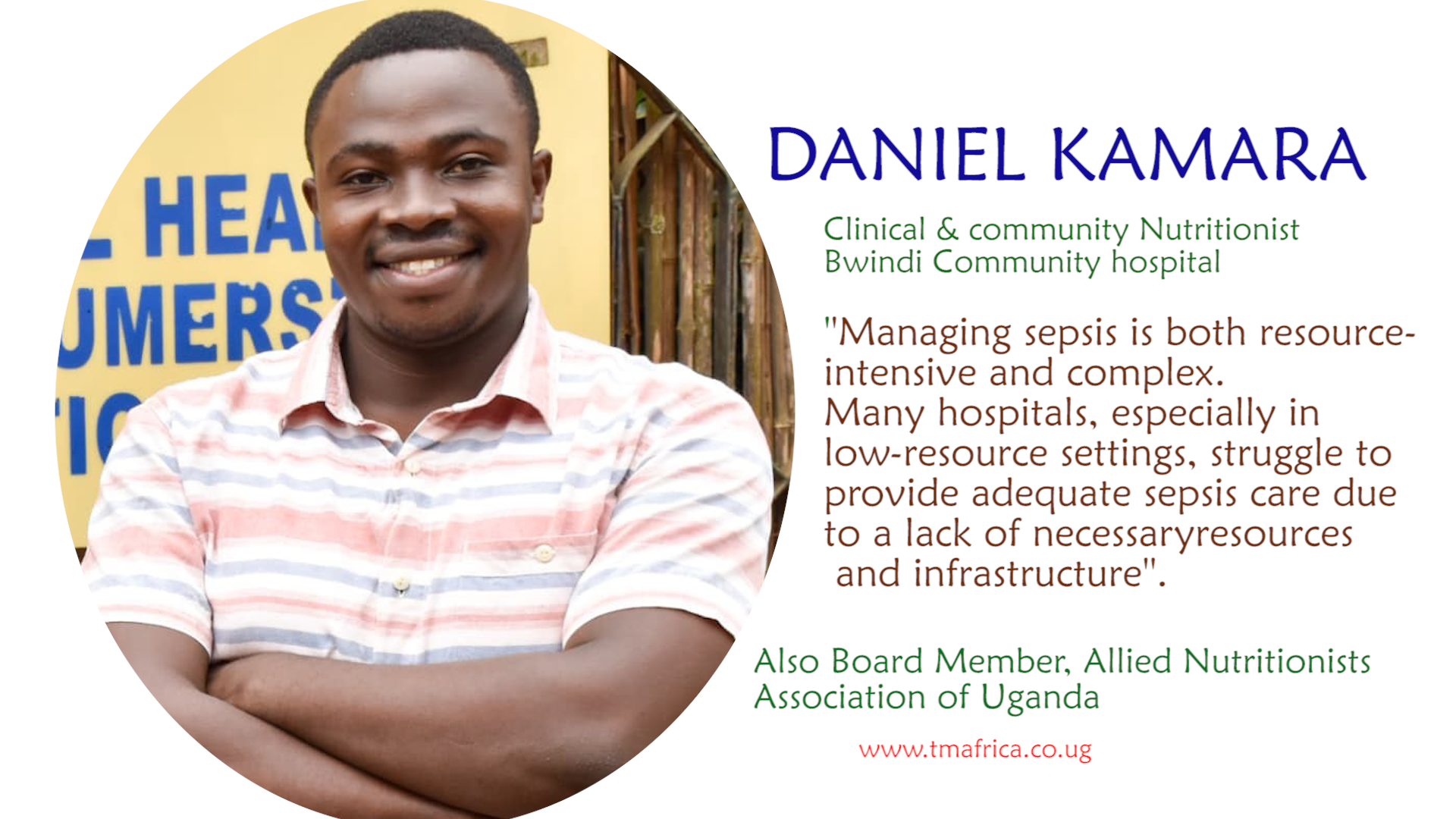
Managing sepsis is both resource-intensive and complex. Many hospitals, especially in low-resource settings, struggle to provide adequate sepsis care due to a lack of necessary resources and infrastructure. This challenge underscores the critical need for effective prevention, early detection, and prompt treatment of infections to prevent the progression to sepsis.
Collaborative Efforts for Sepsis Research and Advocacy
In response to the sepsis crisis, Walimu is spearheading a consortium of eight organizations across seven African countries to conduct research and clinical trials aimed at enhancing sepsis care. This research initiative seeks to advance knowledge, improve treatment protocols, and ultimately save lives. Alongside Walimu, UNHCO is dedicated to advocating for the adoption of research findings and promoting quality sepsis care across Uganda.
A Call to Action: What Can Be Done?
To combat the sepsis crisis effectively, the following actions are urgently needed:
Government Commitment: We urge the government to strengthen the implementation of the 2017 World Health Assembly resolution and the WHO’s call to make sepsis a health priority. Enhanced governmental support is crucial for the development of sepsis prevention and treatment strategies, as well as for improving healthcare infrastructure to manage sepsis more effectively.
Public Vigilance: Citizens have a vital role in preventing sepsis. This includes:
Vaccination: Staying up-to-date with vaccinations to prevent infections that could lead to sepsis.
Good Hygiene: Practicing good hand hygiene and maintaining proper sanitation to reduce the risk of infections.
Antibiotic Stewardship: Avoiding the misuse of antibiotics, as inappropriate use can lead to antibiotic resistance, making infections harder to treat.
World Sepsis Day serves as a powerful reminder of the critical need to address sepsis with urgency and dedication. By enhancing awareness, improving research, and taking proactive steps in prevention and treatment, we can significantly reduce the burden of sepsis and save countless lives.
As we commemorate this important day, let us unite in our efforts to prevent sepsis, support those affected, and advocate for a world where sepsis no longer claims lives unnecessarily. The fight against sepsis is not only a medical challenge but a call to action for global solidarity and community responsibility.
The Writer is a Nutritionist,
Bwindi Community Hospital.



