Written By |

Prostate cancer is the second most common type of cancer and kills thousands of men every year
Prostate cancer is the second most common type of cancer and kills thousands of men every year. About one in eight men worldwide will develop prostate cancer in their lifetime. Symptoms like needing to urinate more frequently, blood in the urine or semen, and hesitancy when going to the toilet are telltale signs of the disease. However, according to Declan Cahill, Consultant Urological Surgeon at London Bridge Hospital, part of HCA Healthcare UK, men can significantly reduce their risk of prostate cancer by exercising regularly and eating a healthy diet.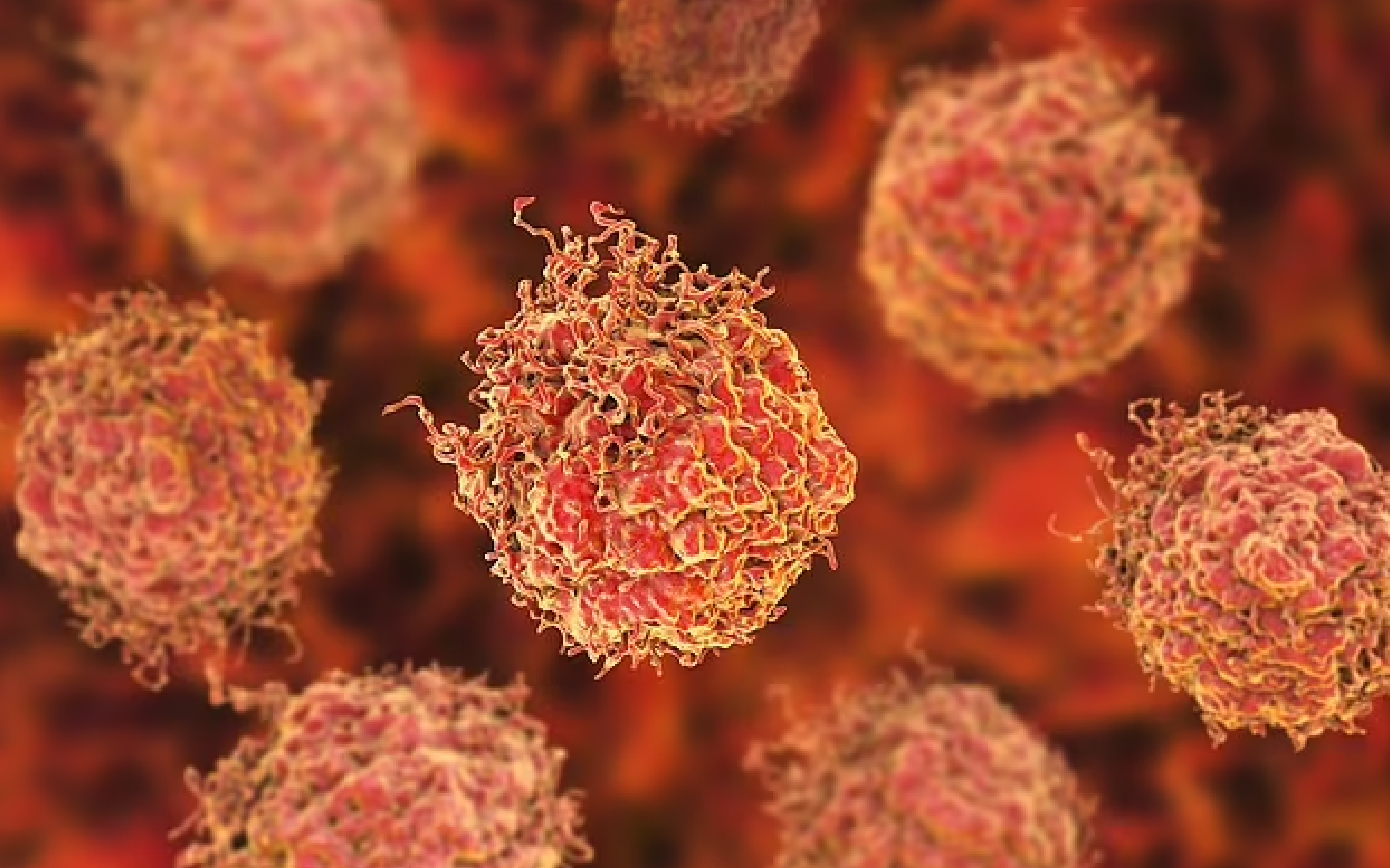
Cancer cells
Changes to Reduce Prostate Cancer Risk
Stay Active with Daily Exercise
Regular exercise, such as running or cycling, can drastically reduce the risk of developing prostate cancer, according to Dr. Cahill. He emphasizes the importance of both cardiovascular exercises and resistance training.
"Engaging in daily exercise is paramount for maintaining prostate health. Both cardiovascular exercises and resistance training are equally important," says Dr. Cahill. "Cardio activities such as running, cycling, or swimming help improve heart health and stamina, while resistance training aids in preserving muscle mass."
As you age, you lose muscle, which can increase your risk of various health conditions, including heart disease, diabetes, frailty, and even dementia. Dr. Cahill stresses the importance of strength training to maintain overall muscle mass.
"Maintaining muscle supports the skeleton, burns calories, improves quality of life, and potentially reduces the likelihood of cancer by suppressing cancer cells," he adds.
Being active and maintaining a healthy weight can boost your immune system, helping it to work at its best. This means it can better identify and deal with cells that could become cancerous, according to Cancer Research UK. The charity also highlights that being active reduces inflammation, which can cause cells to divide more often, increasing cancer risk.
Research shows that men can reduce their chances of developing prostate cancer by over a third through activities like jogging, swimming, or cycling. A study by the Swedish School of Sport and Health Sciences found that men who boosted their annual cardiorespiratory fitness by at least 3 percent had a 35 percent lower risk of developing prostate cancer.
Key Dietary Changes to Reduce Prostate Cancer Risk
Avoiding high-fat foods and meat can also help cut the risk of prostate cancer. Dr. Cahill stresses the importance of maintaining a healthy weight and eating a balanced diet.
"When consuming fats, aim to consume more unsaturated fats, such as olive oil, nuts (almonds, walnuts, pecans), and avocados," Dr. Cahill advises.
Research from McGill University suggests that men who consume more fatty foods like burgers and pizzas, which are high in saturated fat, are more at risk of prostate cancer than those who follow a vegan diet. The study found that a gene involved in progressing prostate cancer (known as MYC) is fueled by fatty foods and red meat. Patients with high consumption of fats had higher levels of MYC and a more aggressive form of cancer.
Being obese or overweight is the second biggest preventable cause of cancer after smoking. Obesity increases the risk of metastatic or advanced prostate cancer, as it raises the level of growth hormones in the body, causing cells to divide more often and increasing the chances of cancer cells appearing. Obesity also attracts immune cells to areas with lots of fat cells, causing inflammation and quicker cell division, further increasing cancer risk.
It is recommended to keep alcohol consumption within national guidelines to minimize health risks.
Cut Down on Alcohol
Cutting down on alcohol can reduce the risk of several types of cancer. Drinking any form of beer, wine, or spirits increases the risk of mouth, upper throat, larynx, oesophagus, breast, liver, and bowel cancer. Although it is not known if alcohol specifically increases the risk of prostate cancer, it is recommended to keep alcohol consumption within national guidelines to minimize health risks. In the UK, the guidelines suggest not drinking more than 14 units of alcohol per week.
"Alcohol consumption should be kept within the national guidelines to minimize health risks," Dr. Cahill warns.
Cancer Research UK explains that alcohol damages cells and stops them from repairing damage, affecting chemical signals and making cells more likely to divide, increasing the initial chances of cancer appearing.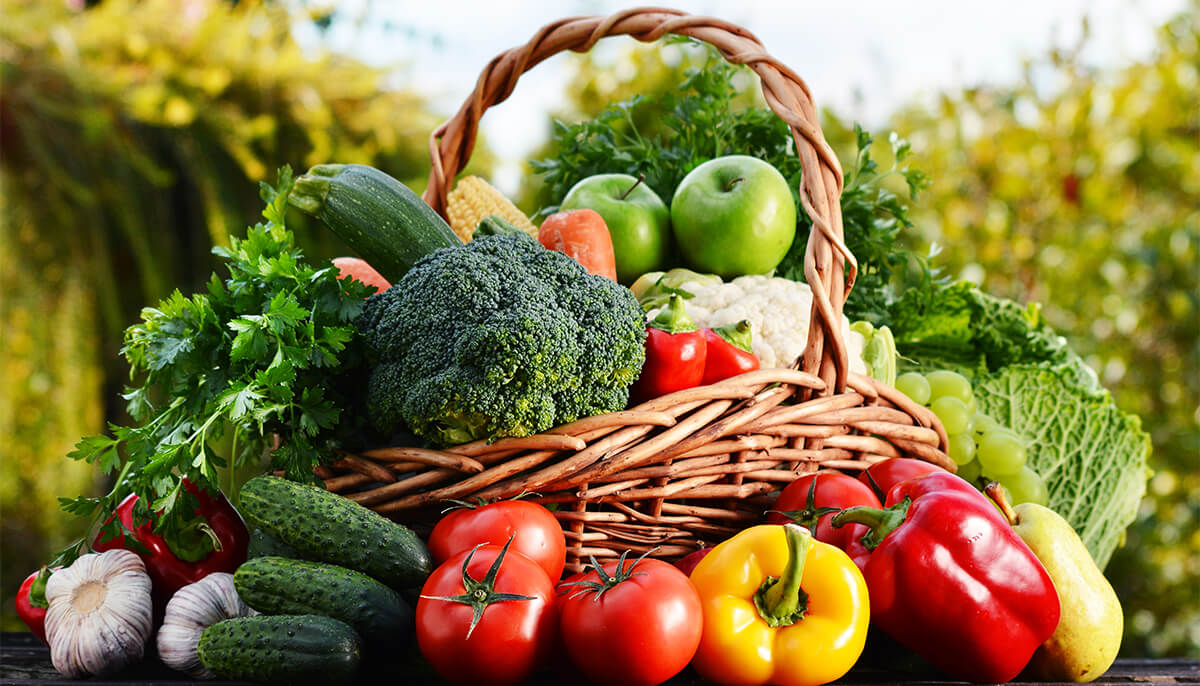
Vegetables are prostate friendly foods
Include 'Prostate-Friendly' Foods in Your Diet
Certain foods are particularly good for prostate health. Dr. Cahill recommends incorporating these 'prostate-friendly' foods into a healthy balanced diet.
"Certain foods have been shown to benefit prostate health due to their lycopene, selenium, and vitamin E content," says Dr. Cahill. "Include cooked tomatoes, poppy seeds, cauliflower, broccoli, and other cruciferous vegetables like cabbage and kale in your diet. Berries such as strawberries, blackberries, blueberries, and raspberries are rich in antioxidants, which are good for overall health. Additionally, fatty fish such as salmon, sardines, herring, trout, and mackerel provide beneficial omega-3 fatty acids."
Overall, it's about making the whole body healthy, as it works together. The whole body needs to be healthy to look after its individual parts.
Torch Media Africa



