New York, NY
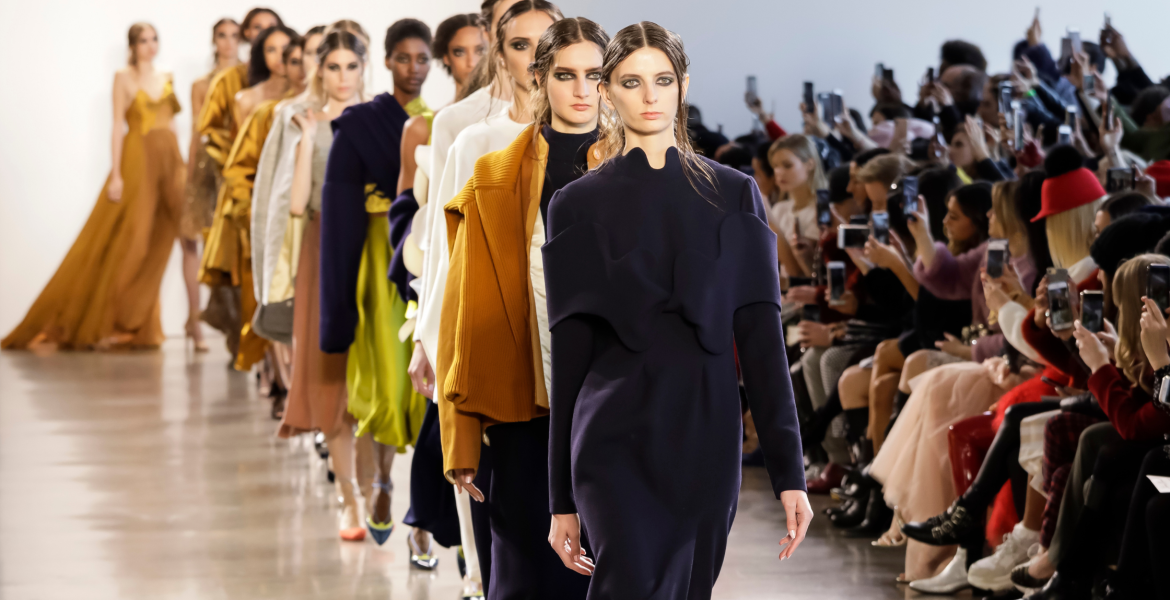
New York Fashion Week has weathered plenty of reinventions — the move from Bryant Park to Lincoln Center to Spring Studios, the rise of livestreamed shows, the pandemic-era pivot to digital presentations. But the preliminary schedule released this week for the September 2026 edition marks something different: not a change of venue or format, but a change of material. For the first time in its history, NYFW is entering a season under a formal, CFDA-mandated fur-free policy, and the schedule announcement doubles as a preview of who's shaping fashion's next chapter under that new rule.
The Council of Fashion Designers of America confirmed that New York Fashion Week will run from Thursday, September 10 through Tuesday, September 15, 2026, showcasing Spring/Summer 2027 collections across 70 runway shows and presentations on the official schedule, with additional collections shown by appointment or digitally. It is, by any measure, a packed week — and one carrying more symbolic weight than most.
The End of an Era, Literally
The headline policy shift has been in the works since the CFDA first announced it in September 2025, giving the industry a full year to adjust. Beginning with this September's shows, animal fur farmed or trapped specifically for pelts — mink, fox, rabbit, karakul lamb, chinchilla, coyote, and raccoon dog among them — will no longer be permitted in any collection shown on the Official NYFW Schedule. The policy carves out one notable exception: fur obtained by Indigenous communities through traditional subsistence hunting practices remains exempt, an acknowledgment that the ban targets industrial fur farming rather than cultural or subsistence practices.
In practice, the shift may register as less dramatic than the announcement suggests. Fur had already grown scarce on New York runways well before the mandate — Michael Kors and Coach were among the brands that voluntarily went fur-free years earlier, part of a broader industry drift driven by shifting consumer sentiment, celebrity advocacy campaigns, and the rise of high-quality alternative materials. What the CFDA policy does is formalize that drift into a rule with teeth, backed by educational resources and a new material library meant to steer designers toward next-generation textiles rather than simply subtracting an option and leaving a gap.
Who's Opening, Who's Closing
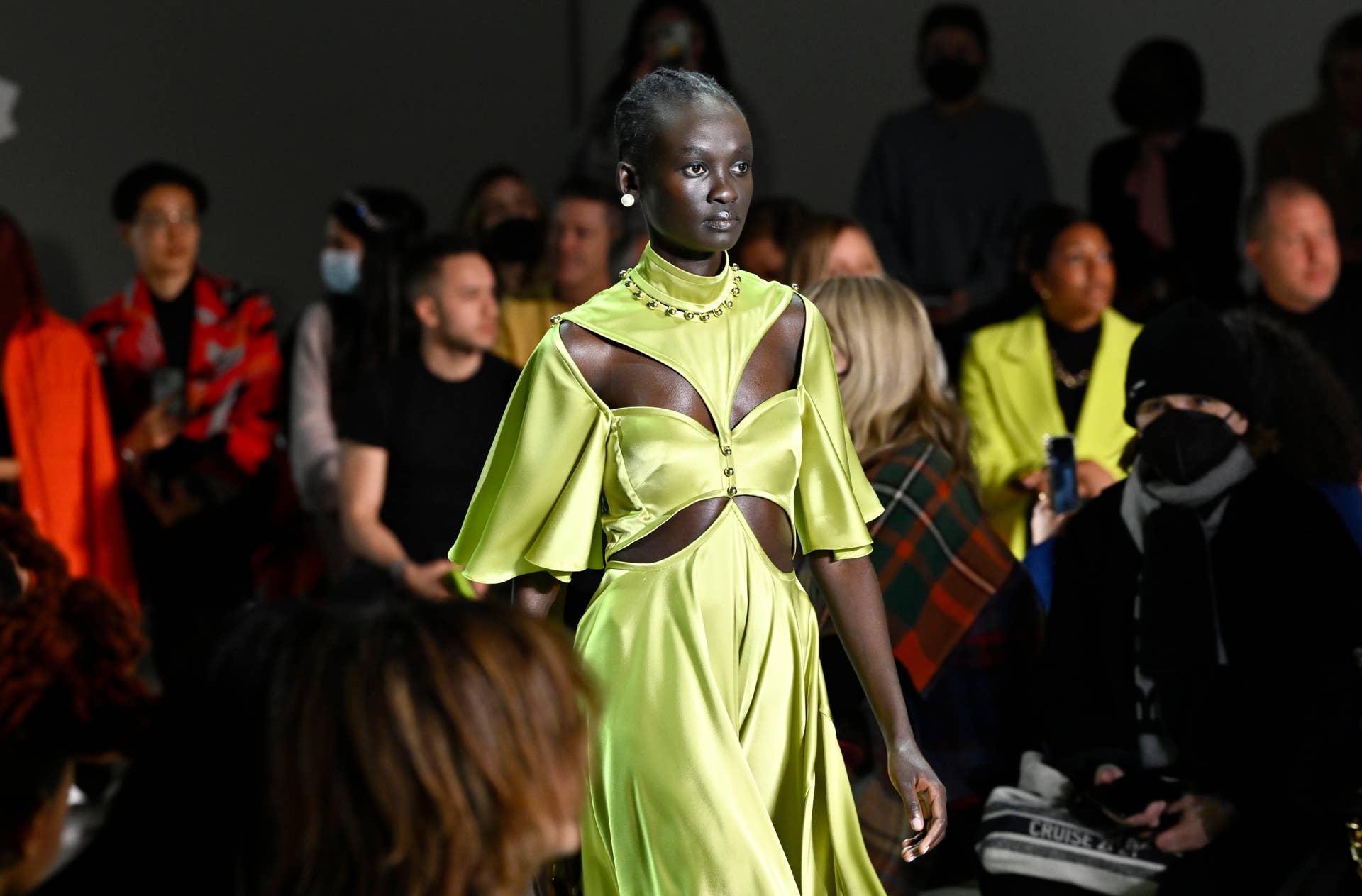
Beyond the policy news, the preliminary schedule offers its usual jolt of who's-in, who's-out intrigue. The week opens on September 10 with CFDA member Henry Zankov's debut collection as the new artistic director of Diane von Furstenberg — a significant handoff for a brand built on Furstenberg's own singular design identity, and a bellwether moment for how the house evolves under fresh creative leadership. The week closes on September 15 with Thom Browne, whose precise, uniform-inspired tailoring has become one of the most consistent closing statements on the American fashion calendar.
In between, the schedule blends returning veterans and fresh faces. Monse, threeASFOUR and Tommy Hilfiger are back on the official calendar, while newcomers include Magda Butrym, Sabyasachi (helmed by acclaimed Indian designer Sabyasachi Mukherjee, marking a notable expansion of the schedule's international footprint), Conner Ives, High Sport's Alissa Zachary, and several other emerging names making their official NYFW debuts. The mix signals a CFDA calendar trying to balance commercial anchors with the kind of discovery-driven programming that keeps the week feeling alive rather than static.

A Week Shaped by Memory
This edition also falls during the 25th anniversary of September 11, and the CFDA has built that observance directly into the logistics of the week: out of respect for the anniversary, Friday's schedule — which lands on September 11 — will begin at 10:00 a.m. rather than the standard early-morning start. It's a small scheduling adjustment, but a pointed one for an industry headquartered in the city most defined by that anniversary, and it places NYFW among the cultural institutions choosing to visibly mark the milestone rather than let the calendar pass quietly.
What the Industry Is Saying
Trade coverage of the fur policy has framed it less as an ideological victory lap and more as risk management dressed as ethics — a way for the CFDA to get ahead of a values shift that was already happening in consumer behavior and legislative trends (several states and cities have passed or considered fur-sale bans in recent years). The organization's own messaging leans on that framing too, positioning the material library and educational programming as practical support rather than punishment, designed to help designers "explore next-generation textiles" rather than simply lose a fabric option overnight.
What This Means for Shoppers and Fashion Fans
For consumers, the immediate effect is subtle: don't expect a visibly different runway silhouette this September so much as a quiet absence of a material that had already become rare. The more visible impact will be in how brands market their materials going forward — expect louder language around "responsibly sourced," "bio-based," and "next-gen" textiles across September collections, as brands use the schedule's most talked-about policy shift as a hook for their own sustainability narratives. For fashion-week watchers specifically, the real story worth tracking is Henry Zankov's opening-night debut at Diane von Furstenberg — a test of whether a storied house can hand its identity to a new creative voice without losing what made it recognizable in the first place.
Looking Ahead
The preliminary schedule will likely see additions and shuffling before showtime, as it does every season, but the shape of September 2026 is now set: a fur-free week bookended by a generational handoff at one of American fashion's most personality-driven labels and a closing statement from one of its most consistent. Add a milestone anniversary woven into the logistics, and this edition of NYFW is shaping up to be remembered for more than just what walked the runway — it's a week engineered, deliberately, to mark a turning point.
Published By | Features Editor