Written By |
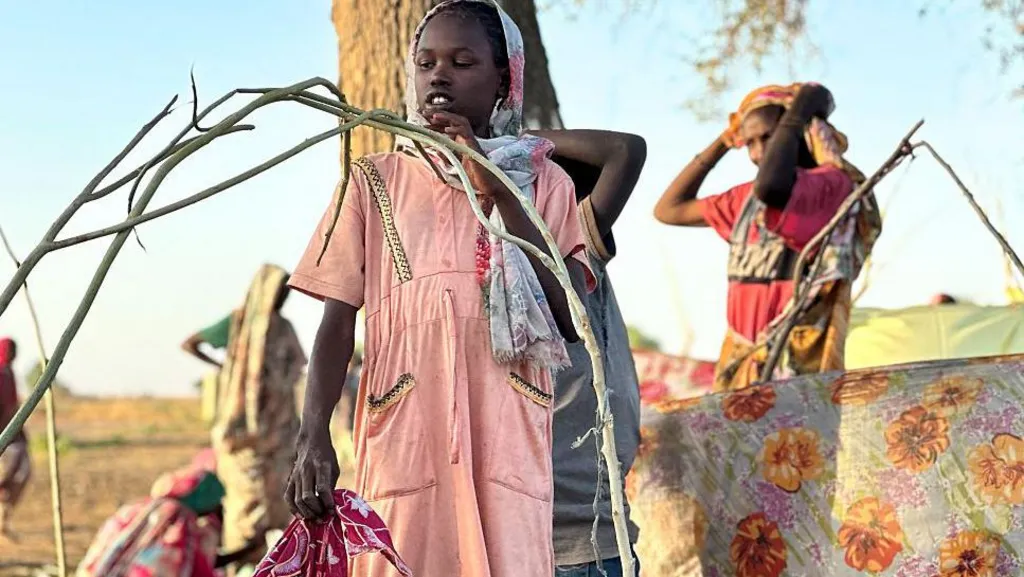
Many are trying to reach the town of Tawila but face harassment, extortion and abuse from armed men along the way [AFP Photo]
El-Fasher
More than 60,000 people have fled the Sudanese city of El-Fasher following its capture by the Rapid Support Forces (RSF) over the weekend, the UN Refugee Agency (UNHCR) has confirmed.
The paramilitary group seized the city after an 18-month siege marked by starvation, indiscriminate shelling, and what humanitarian agencies describe as repeated war crimes.
UNHCR spokesperson Eujin Byun told the BBC that thousands of civilians are escaping towards Tawila, about 80km west of El-Fasher, with the number increasing sharply in recent days.
She said the displaced are recounting horrific accounts of atrocities, including rape, executions, and severe abuse, with aid agencies overwhelmed and struggling to provide food and shelter.
“Every child is suffering from malnutrition,” Byun said, describing the scale of the humanitarian emergency.
Mass Atrocities Reported
Approximately 150,000 civilians remain trapped in El-Fasher, the Sudanese army’s last stronghold in the Darfur region before it fell to the RSF.
The RSF has denied accusations of ethnically targeted killings, amid widespread reports that its fighters have been attacking non-Arab communities—a pattern seen previously in Darfur. The militia announced it had detained one of its fighters, Abu Lulu, who was accused of carrying out summary executions. The arrest followed a BBC Verify investigation that identified him as being involved in the killing of unarmed men near El-Fasher.
Social media platform TikTok has since banned the account linked to Abu Lulu, though it remains unclear if he personally managed it.
Sudan’s Humanitarian Crisis Deepens
Sudan has been in civil war since April 2023, when a violent power struggle erupted between the Sudanese Armed Forces (SAF) and the RSF, former allies who jointly took power in a 2021 coup.
The conflict has triggered famine, widespread atrocities in Darfur, and what rights groups describe as genocide-level violence.
More than 150,000 people have been killed, and about 12 million have been displaced, marking what the UN calls the world’s largest humanitarian crisis today.
The fall of El-Fasher strengthens a de facto partition, with the RSF now controlling most of western Sudan and much of Kordofan, while the army retains control of Khartoum, central Sudan, and the eastern Red Sea region.
Source: BBC
Torch Media Africa



