Written By |
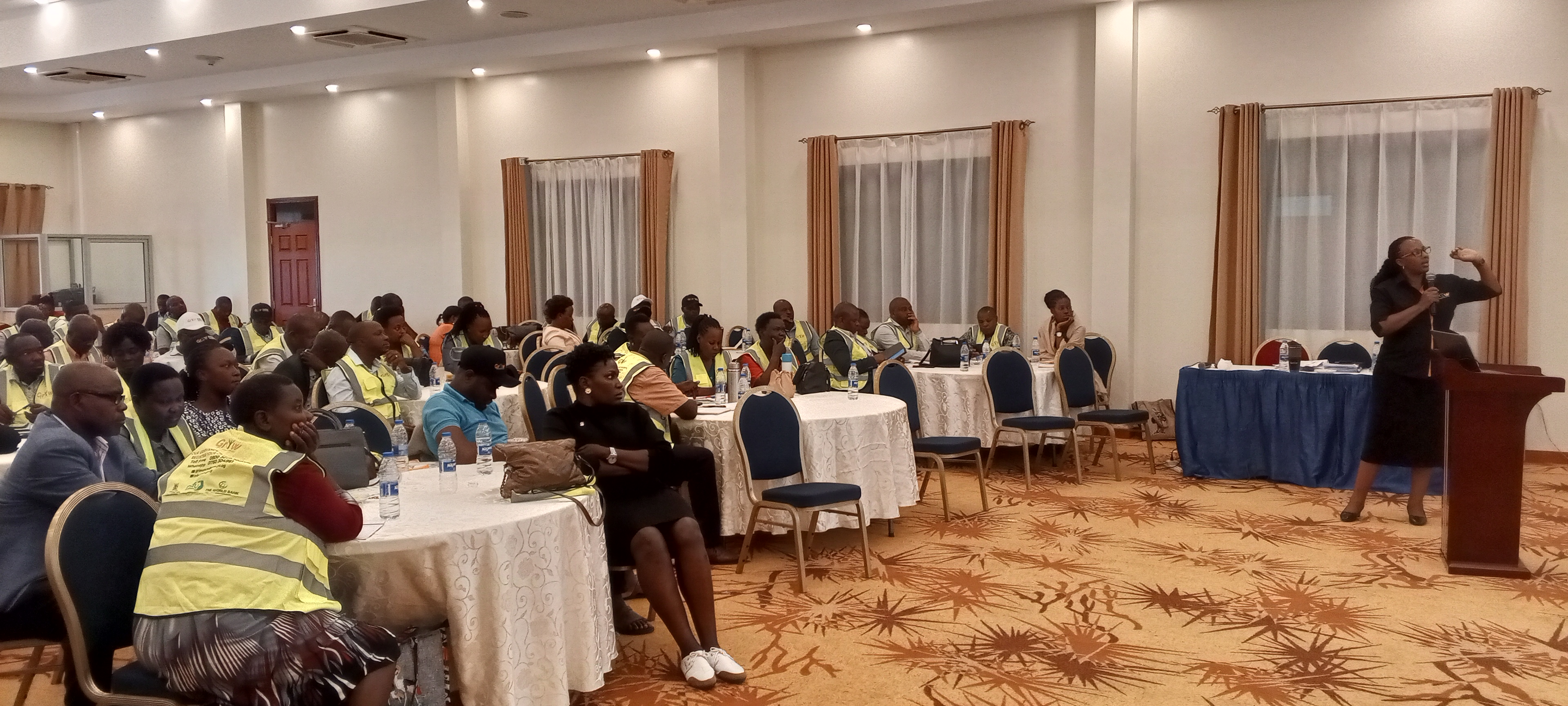
Jackline Tumwebaze taking Community Officers and Commercial Officers through a training on GROW project meant to enhance women in business
By Joshua Nahamya
Mbarara City
The Ministry of Gender, Labour, and Social Development has engaged stakeholders from western Uganda to discuss challenges affecting the implementation of the Generating Recovery and Wealth for Women (GROW) project. The two-day meeting, held at Hotel Triangle in Mbarara City, brought together focal persons and district officials to improve the efficiency of the project, which aims to empower women entrepreneurs and boost household incomes.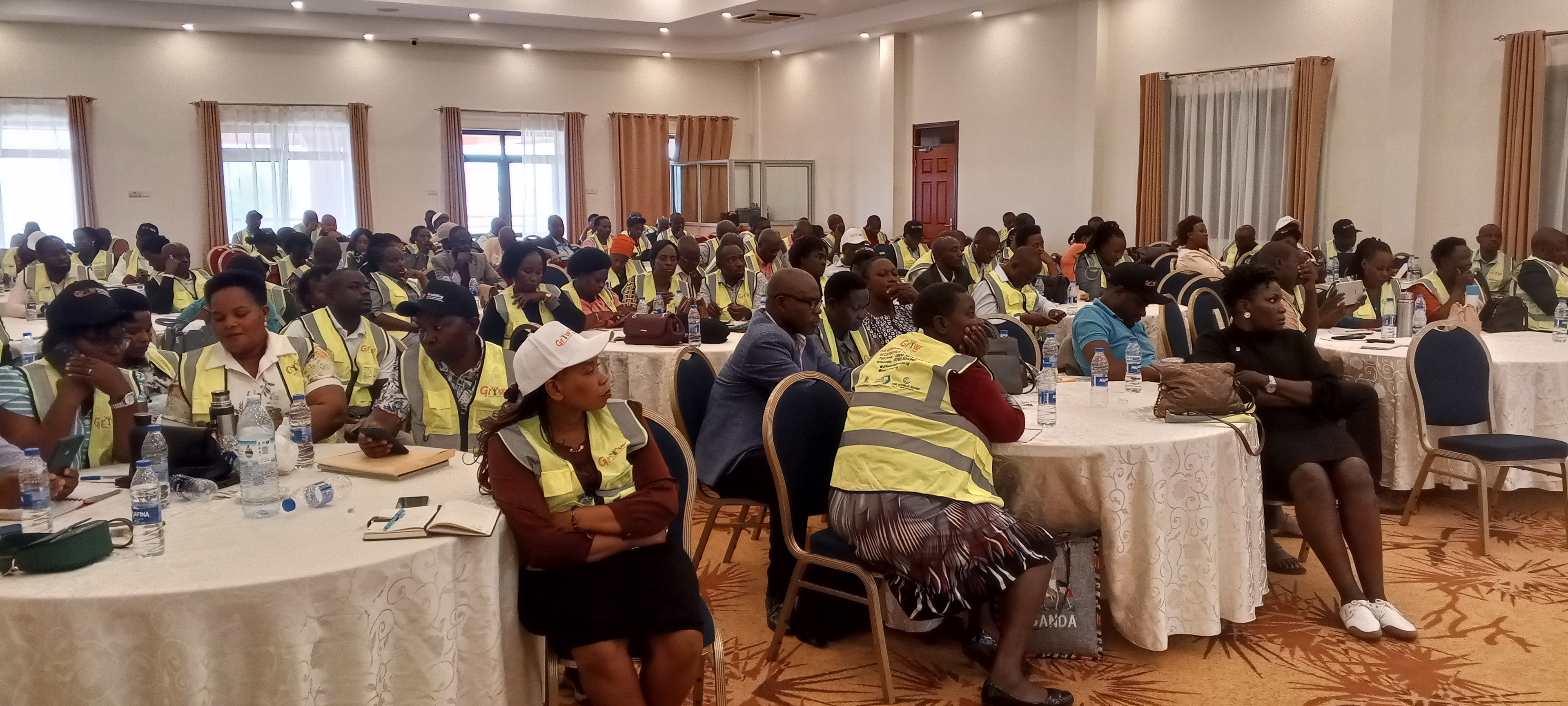
GROW Focal persons attending GROW project engagement in Mbarara
Stakeholders cited key challenges, including high interest rates, lack of nationwide referral atlases, limited transport for project implementers, collateral requirements for women to access loans, banks’ secrecy over client information, and inadequate funding.
Benon Mugume, Senior Probation and Labour Officer for Ntungamo District, said the confidentiality code of commercial banks is limiting monitoring.
“A GROW loan is like any other loan, except for the interest rate and a few products. But there’s no way we can access bank statements because banks cannot reveal client accounts due to security matters. We request the Ministry to amend legal frameworks so that focal persons can access beneficiary data for effective monitoring,” he said.
Other focal persons also called for a reduction of the 10% annual interest rate, arguing that it is still high for many women. Addressing the meeting, Jackline Tumwebaze, Regional Project Officer for Western Uganda, acknowledged the challenges, noting that some require policy adjustments and others coordination with project partners.
“This meeting serves as a grievance mechanism to capture complaints from beneficiaries, including gender-based violence, fraud, and corruption. Focal officers have been equipped with logbooks and referral tools to document and escalate complaints where necessary,” she explained.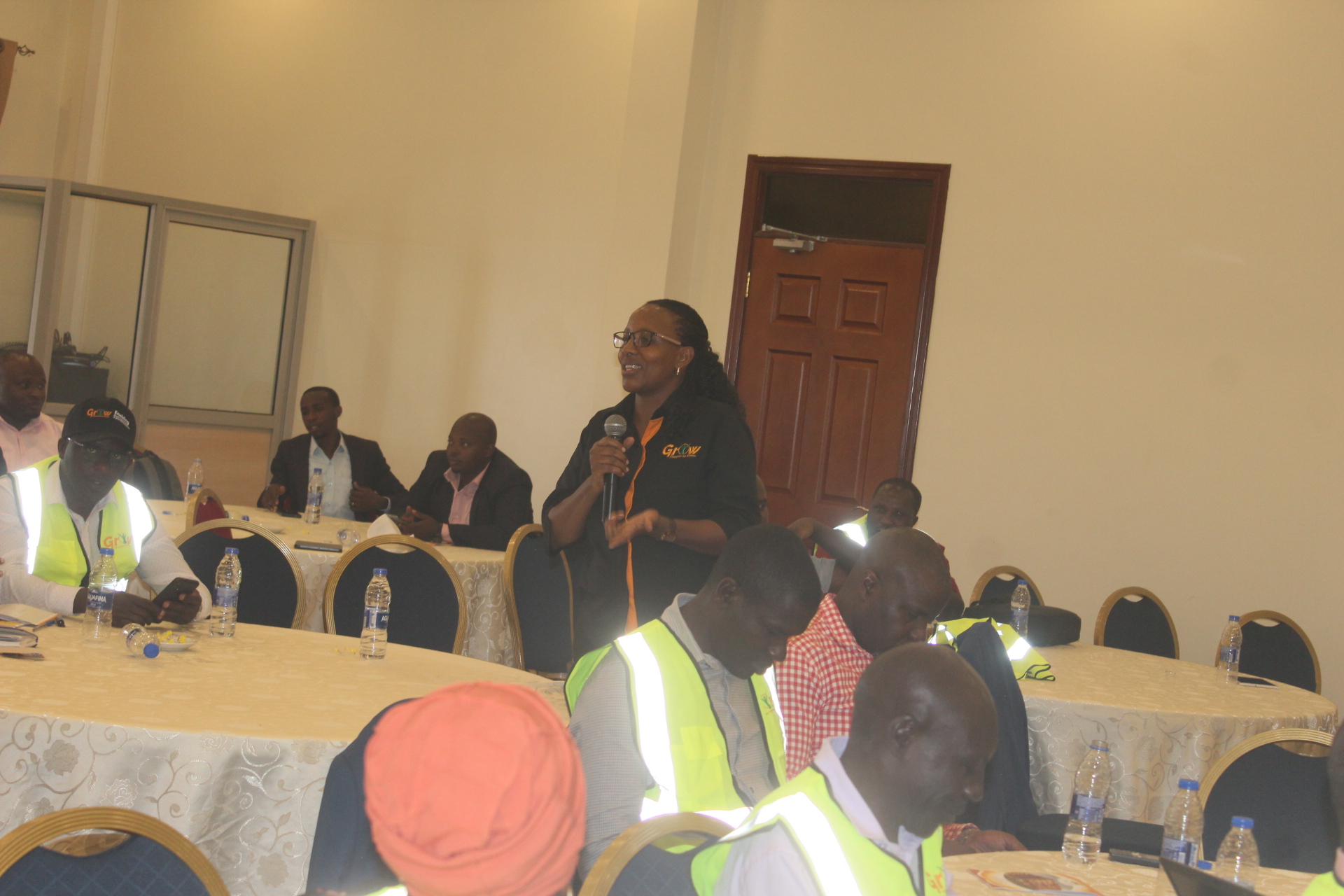
Tumwebaze clarified that the GROW project is a demand-driven initiative targeting women already in business with annual turnovers ranging from Shs 4 million to over Shs 100 million. Unlike other government programs targeting grassroots startups, GROW is designed to help women scale from micro to medium enterprises.
Since its inception in 2020, the project has disbursed Shs 14 billion to 695 women in western Uganda through six partner banks, including Centenary, Stanbic, and DFCU. Nationwide, 2,780 women have benefited, with Shs 8 billion already repaid and re-lent.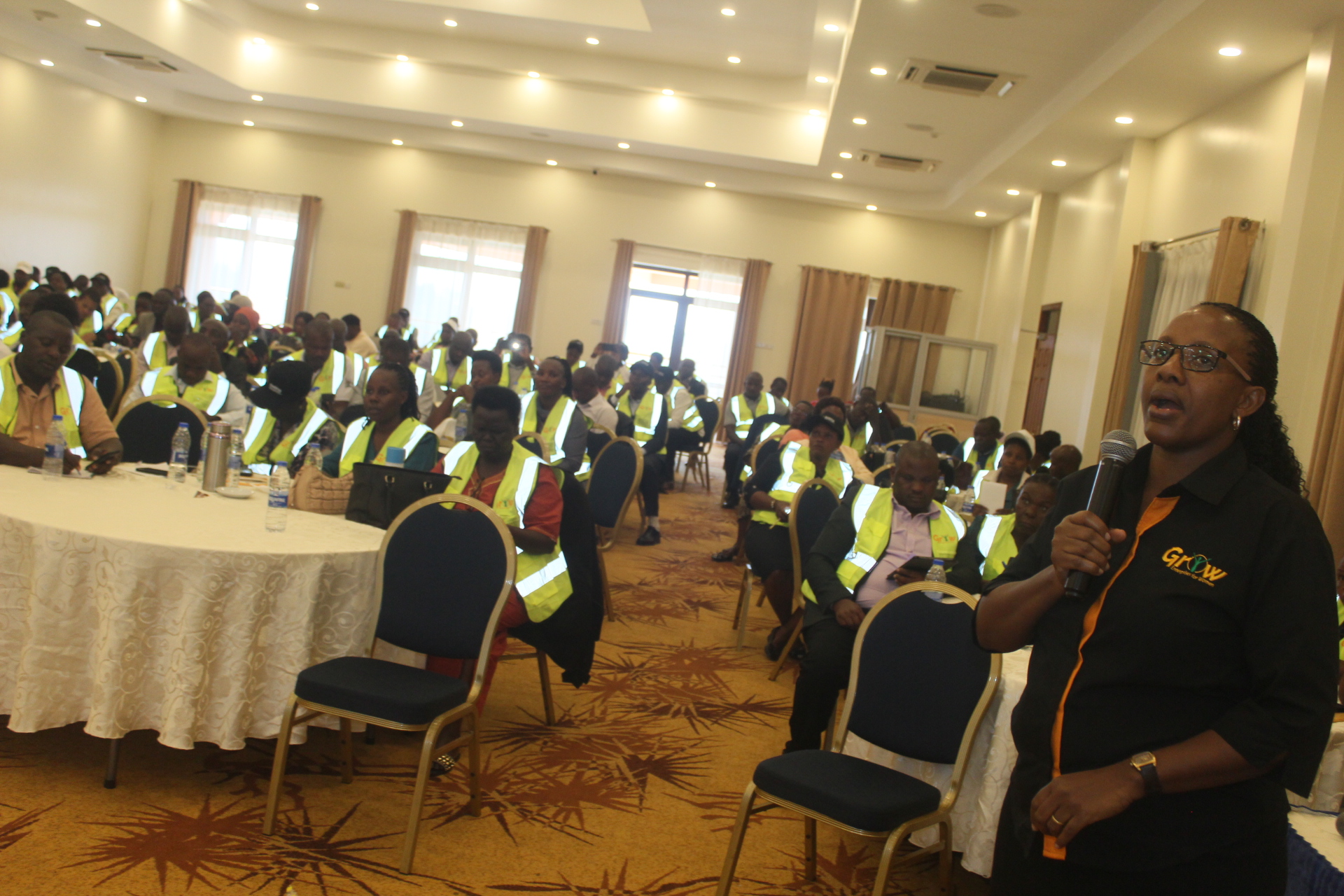
Despite this progress, Tumwebaze noted that demand far exceeds available funds.
“The total loan portfolio is Shs 260 billion, which is very small compared to programs like the Parish Development Model. Funds are released quarterly, but demand is so high that allocations are depleted within a week,” she said.
The ministry has provided focal point officers with motorcycles and operational funds to mobilize women. Plans are also underway to roll out training in September 2025, with Enterprise Uganda set to skill 315 women in agriculture, hospitality, ICT, and value addition.
Local leaders welcomed the initiative. Hilary Muhumuza, Mbarara District Community Officer, praised the training but asked for continuous capacity building.
“We need more exposure on how to implement the GROW project and close gaps in managing grievance resolution committees,” he said.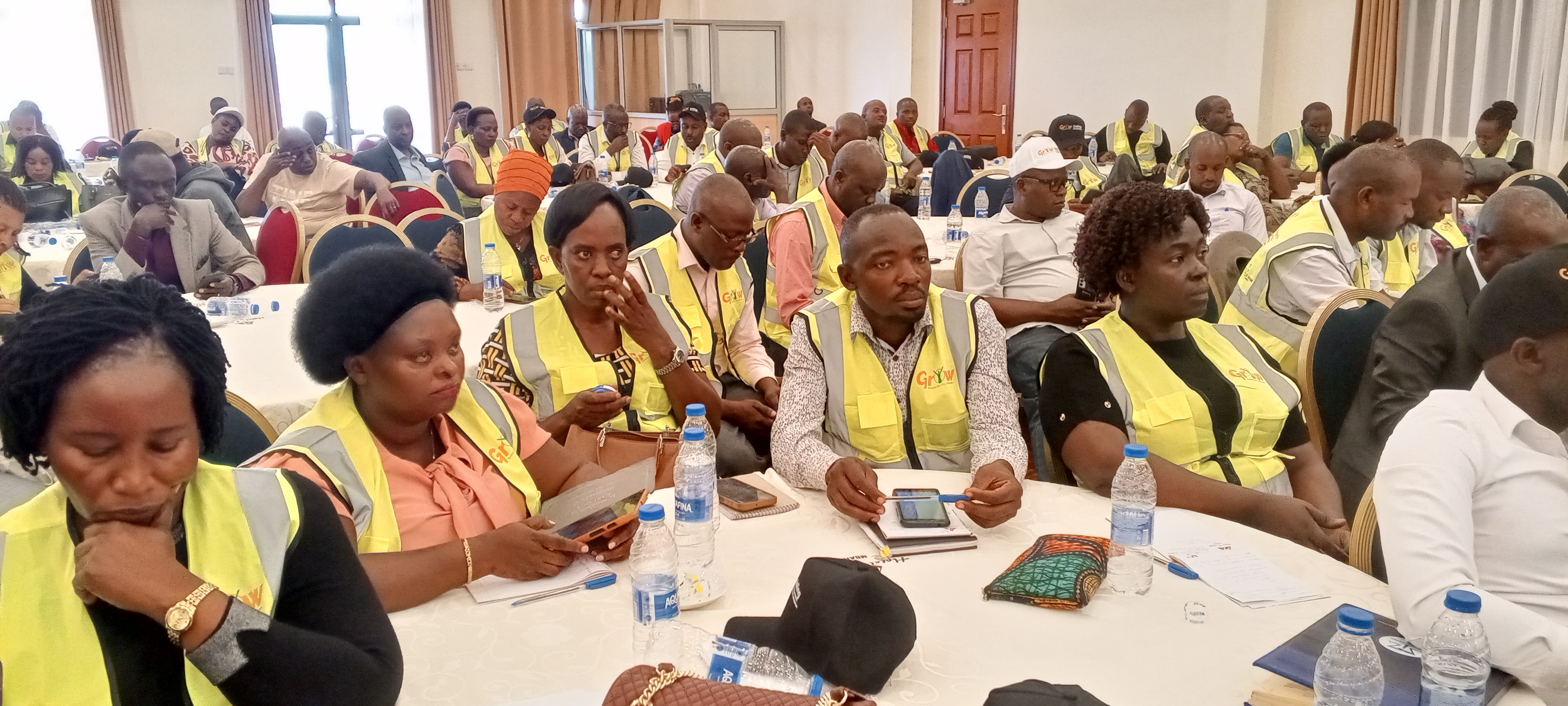
Some of the Community Officers and Commercial Officers Ankole and Kigezi sub regions attending the GROW training at Hotel Triangle in Mbarara City on Wednesday. [Photo: Joshua Nahamya]
Rwampara District Commercial Officer Amon Mutabarura added that the engagement had strengthened their ability to tackle business-related challenges.
The GROW project, funded by the World Bank, runs from January 2023 to December 2027 and is implemented under four components: women’s empowerment and enterprise development, access to finance, enabling infrastructure, and program management.
The Mbarara meeting drew 141 stakeholders from Ankole and Kigezi sub-regions, including community development and commercial officers.
Torch Media Africa



