SCIENCE
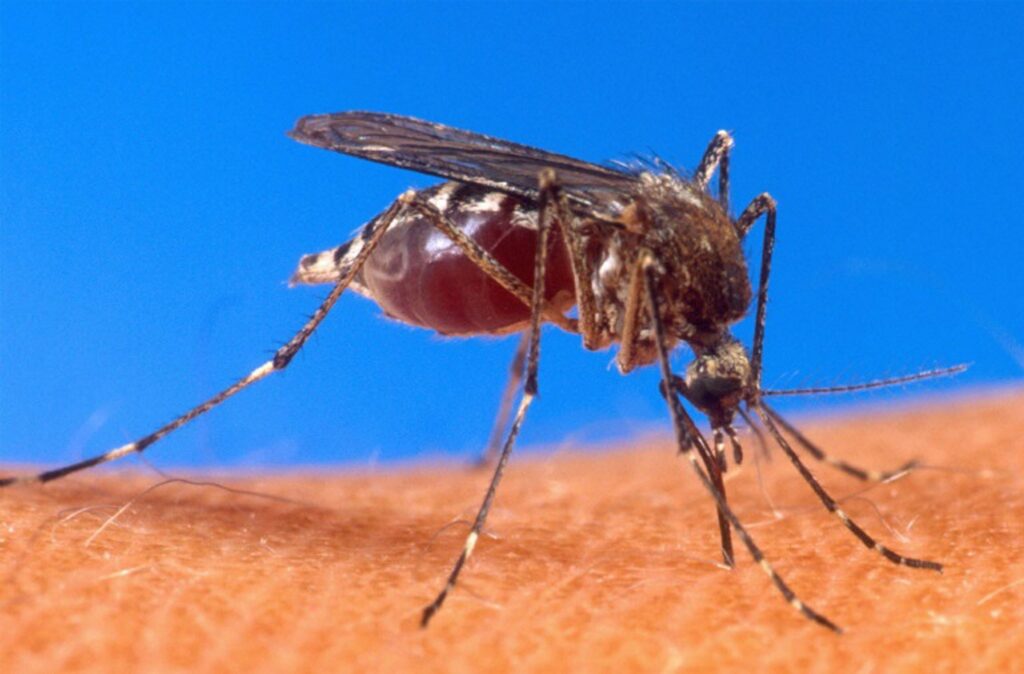
The bite doesn't even hurt. That's what makes West Nile virus so cruel — most people who get it never know they've been infected at all. But for a rapidly growing number of unlucky Europeans this summer, that same silent mosquito bite is landing them in intensive care with brain swelling, seizures and paralysis, and doctors across the continent are sounding the alarm as case counts climb week over week with the worst of the season — August through September — still ahead.
The World Health Organization's European office issued an urgent public health notice on July 24, warning that West Nile virus (WNV) cases are climbing "across parts of the continent" even though the transmission season is "just getting under way." Five countries — Italy, Greece, Spain, Romania and North Macedonia — have already confirmed locally acquired human infections this year. In the past week alone, Germany and France logged their own unsettling firsts, and health officials say the numbers are only going to get worse before they get better.
"West Nile virus is not a new threat, but the conditions driving its spread are changing rapidly," Dr Hans Henri P. Kluge, WHO Regional Director for Europe, said in the agency's July 24 advisory. "Warmer temperatures and longer summers are giving mosquitoes more time and territory to transmit this virus."
THE NUMBERS BEHIND THE PANIC
Greece is bearing the brunt of the surge so far. National health authorities there confirmed 21 human cases as of July 22 — and a staggering 14 of those infections were diagnosed in just the seven days prior, a rate of spread that has alarmed epidemiologists. Of the 21 confirmed Greek patients, 20 developed neuroinvasive disease — meaning the virus crossed into the brain or spinal cord, causing encephalitis, meningitis or, in the worst cases, acute flaccid paralysis similar to polio. Thirteen patients remained hospitalized as the WHO issued its warning.
Italy, meanwhile, has the widest geographic spread of any affected country, with confirmed cases stretching across 17 separate areas as of mid-July, from Novara and Cremona in the north down through Milan, Florence, Naples, Padua, Modena and Ferrara. The virus is popping up in cities tourists flock to by the millions every summer.
Spain has reported cases in Alicante and Seville. Romania and North Macedonia have two locally acquired cases each. And then came the news that pushed this from a southern European problem into a pan-continental one: on July 29, Germany confirmed its first locally acquired human case of West Nile virus for 2026 — and the first ever recorded in the state of Rhineland-Palatinate. Health officials there had spent years watching the virus creep north through migratory bird populations and mosquito surveillance data; now it has arrived in human patients.
For context on just how bad this can get, look at what happened next door last year. Italy alone recorded 779 locally acquired human cases in 2025 — the largest single-country WNV total anywhere in the EU/EEA — and 72 deaths, a case fatality rate of 9.2% among confirmed cases, the highest national WNV death toll recorded in the EU/EEA that season. Doctors caution it's too early to say definitively whether 2026 will break that grim record, since the transmission season, which runs from late spring through autumn and peaks between July and September, still has weeks of high-risk activity ahead.
WHY THIS IS HAPPENING NOW
There's no mystery ingredient here: heat. Researchers who study the spatial spread of the virus say the pattern lines up squarely with a warming climate creating longer, more hospitable conditions for the Culex mosquitoes that carry WNV between birds and humans.
"Current West Nile virus hotspots in Europe are most likely to be attributed to climate change," said Diana Erazo, a post-doctoral researcher at the Spatial Epidemiology Lab who has studied the virus's spread across the continent. Simon Dellicour, who supervises the lab, added that mapping ecological suitability using climate data shows how rising temperatures and precipitation patterns are directly reshaping where and when the virus can spread.
The mechanics are straightforward and troubling: mosquitoes are cold-blooded, so warmer temperatures speed up their metabolism, shorten the time it takes the virus to replicate inside them, and extend the number of weeks each year they're active enough to bite and transmit disease. Longer, hotter summers essentially hand the virus a bigger window and a bigger map every single year.
HOW THE VIRUS SPREADS — AND WHY THERE'S STILL NO VACCINE FOR PEOPLE
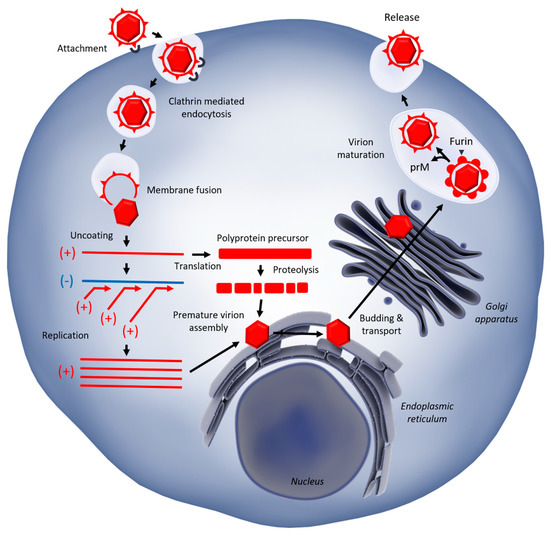
West Nile virus circulates in nature between mosquitoes and birds. Mosquitoes pick up the virus by feeding on infected birds, then pass it on to humans and other animals — including horses — through subsequent bites. In rare cases, the virus has also spread through organ transplants, blood transfusions, and from mother to child during pregnancy or breastfeeding. Critically, there has never been a single documented case of the virus spreading between people through everyday contact — you cannot catch it from a sick friend or family member, only from a mosquito.
And yet, more than 25 years after West Nile virus first appeared in the Western Hemisphere, there is still no licensed vaccine for humans anywhere in the world, and no antiviral drug that specifically targets the virus. Veterinary vaccines exist for horses, but human treatment remains limited entirely to supportive care: fluids, rest, pain management, and — for the roughly 1 in 150 infected people who develop severe neuroinvasive disease — hospitalization, sometimes in intensive care.
That statistic, roughly 1 in 150, is the one doctors want the public to actually absorb. The WHO notes that 70–80% of people infected with WNV will never develop any symptoms whatsoever. Most of the remainder get a flu-like illness — fever, headache, fatigue, body aches, nausea, sometimes a rash or swollen lymph nodes — that resolves on its own. But that small fraction who develop severe disease can face high fever, neck stiffness, disorientation, tremors, convulsions, muscle weakness, paralysis, or coma. Older adults and people with weakened immune systems are at the highest risk of the severe form.
EXPERT PERSPECTIVE
Public health officials are trying to strike a delicate balance this summer: acknowledging the real and rising danger without triggering panic among the hundreds of millions of people living in or traveling to Mediterranean Europe during peak tourist season.
"For most people, the risk remains low," the WHO Regional Office for Europe stated in its advisory, "but anyone living in or travelling to an affected area should take basic precautions to avoid mosquito bites and be aware of the signs of severe illness in case they or someone close to them falls ill." Dr Kluge was blunter about what individuals should watch for: "Anyone who develops a high fever, rash or neck stiffness after a mosquito bite should see a doctor without delay."
Entomologists and infectious disease specialists tracking the outbreak note that West Nile has effectively become an annual, seasonal fixture across southern and now central Europe — not a one-off event, but a recurring late-summer threat whose geographic footprint keeps expanding northward and westward as the climate shifts. The European Centre for Disease Prevention and Control (ECDC) has been publishing weekly surveillance updates throughout the season and is urging national health systems to ramp up mosquito trapping, viral testing in blood donations, and doctor education so that neuroinvasive cases get diagnosed faster.
WHAT THIS MEANS FOR YOU
If you're planning travel to Italy, Greece, Spain, southeastern France, Romania or the Balkans this August or September — peak season for both tourism and mosquito transmission — health officials say there's no reason to cancel your trip, but there is real reason to take precautions seriously.
Cover up: wear light, loose clothing that covers your arms and legs, especially at dawn and dusk when mosquitoes are most active and biting.
Repel and protect: use an approved mosquito repellent according to package instructions — and if you're applying it to children, put it on your own hands first rather than spraying it directly near their face or hands.
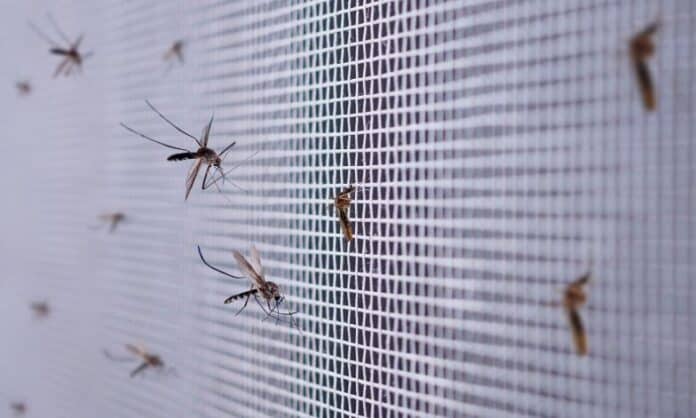
Screen and net: if your accommodation has window or door screens, use them. Sleeping in air-conditioned rooms, under mosquito nets, or with fans running can meaningfully cut your risk overnight, when mosquitoes are most active.
Kill the breeding grounds: standing water — in flowerpots, gutters, buckets, birdbaths — is a mosquito nursery. If you're staying somewhere with a garden or courtyard, emptying standing water regularly helps protect everyone nearby, not just you.
Know the red flags: a mild fever and body aches a few days after a mosquito bite are usually nothing to worry about and will pass. But a high fever combined with a stiff neck, confusion, tremors, or muscle weakness is a medical emergency — seek care immediately, especially if you're over 60 or immunocompromised.
Blood donors should also be aware that some countries temporarily defer donors who've recently traveled to or resided in high-transmission areas, since the virus can rarely be transmitted through transfusion — check with your local blood service if you're a regular donor returning from an affected region.
THE BOTTOM LINE
Europe is not facing an Ebola-style emergency here — for the vast majority of the hundreds of millions of people living in or visiting the affected regions this summer, West Nile virus will remain a virus they never even know they've encountered. But the trajectory is impossible to ignore: five countries with active local transmission before the season has even peaked, Germany and France logging unprecedented first cases, and last year's Italian death toll standing as a grim marker of what "severe" can actually mean in raw numbers.
With no vaccine, no specific treatment, and climate scientists increasingly confident that warming temperatures are widening the virus's map every single year, West Nile has quietly become one of the most consequential recurring health threats Europe faces each summer — one mosquito bite at a time. The next eight weeks, as transmission peaks, will determine whether 2026 becomes a footnote or another record-breaking year.
Published By | Features Editor