Written By |
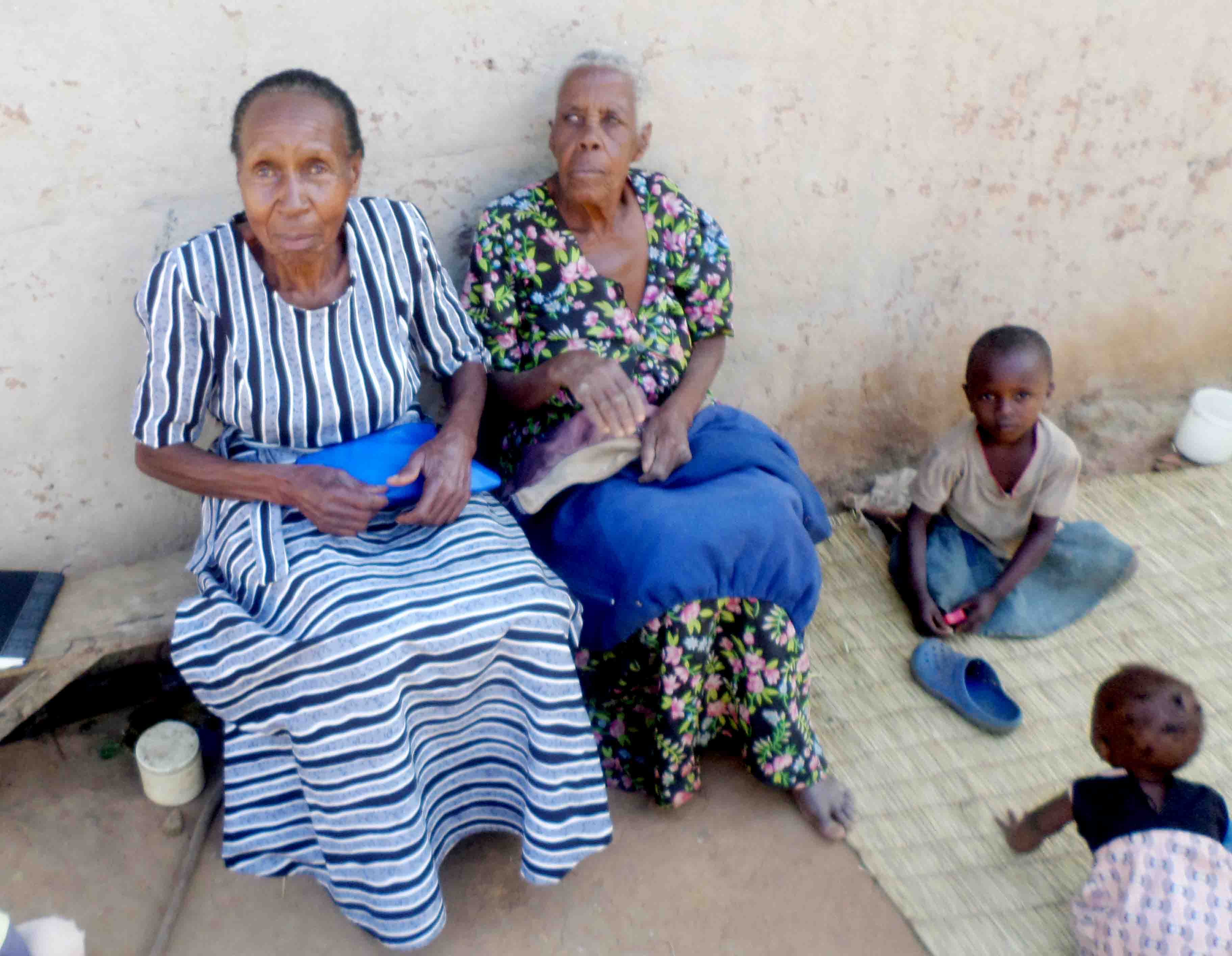
Patricia Kamashamba (left) and Eufrance Kikondo some of the daughters-in-law to Kyabeshunga
An old adage says, “A white dog is not capable of hunting, and a beautiful woman is not easy to marry.” This implies that beautiful things are often challenging to maintain. While beauty is not a crime and many men yearn for beautiful women, experience has shown that maintaining a marriage with a beautiful woman can be difficult.
As time passes, surprising or fearful events that occurred may fade from collective memory, becoming history or myths. A legend is told of a beautiful woman named Kyabeshunga, who incited a serious conflict between two clans, causing significant bloodshed and leaving many dead in the early 1900s.
Kyabeshunga, a beautiful, proud, and notorious Munyankore woman, gained notoriety after causing a war between the Abahira and Abagaaju (Abahweju) clans. A song about the incident, “Kyabeshunga ayangire ati Tinkigaru kayo ngu ninyambuka Kaibo (Nyampimbi),” was composed by the late George Kabamwerere in the 1950s. Kabamwerere died at age 95 in 2021, but the incident remains a topic of conversation in Ruhinda, Mitooma District, Western Uganda.
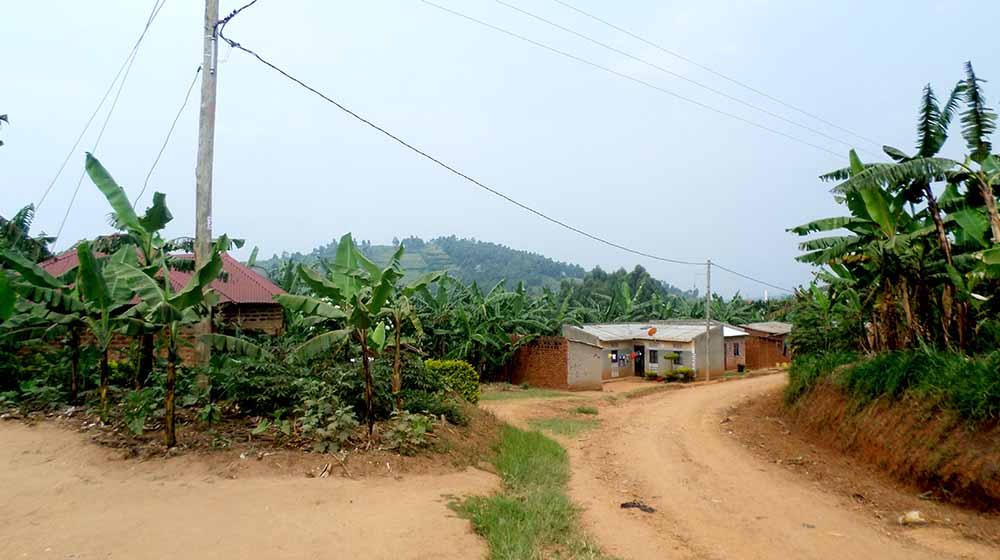
Shops in Nyakishojwa. Over the Hill is a place where Kyabeshungwa was born
Mzee Ludoviko Rugomana, aged 105 as of 2024, from Kibisho, Nyakishojwa in Mitooma, says that Kyabeshunga was the daughter of Nyakikondo, son of Mujwiga from Ntungamo, Nyakishojwa in Mitooma. She was an extraordinarily beautiful girl (Omujugira) who captured the attention of many young men. When her brother Ruhuure wanted to marry but did not have the bride price, their father Nyakikondo struck a deal with Kagaaju, brother to Myoga of the Bahweju clan. Kagaaju agreed to give seven sheep in exchange for Kyabeshunga to marry their son Izigire. This was during the reign of Kahaya II Rwamusizi, the then King of Ankole, and seven sheep was the bride price at the time. 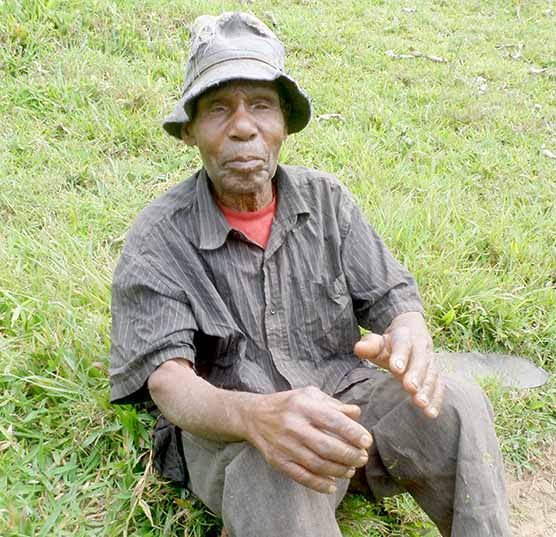
Mzee Ludoviko Rugomana
Against her will, Kyabeshunga was forced to marry Izigire. After a month at Izigire’s home, she returned to her family to fulfill remaining marriage obligations (okwaruka), accompanied by her husband and in-laws. However, she declared that she would not go back, claiming her husband was not performing and unfit for her. Her refusal to return to her husband's family threw both clans into a frenzy. To settle the rising tempers, the Bahweju demanded the return of their seven sheep, which the Bahira could not provide as they no longer had them. When the Bahweju refused to vacate the compound, the Bahira tried to force them out, exchanging bitter words that prompted a fight. The Bahweju claimed that since their wife had deceived them, they should be compensated for their bride price and insisted they would not leave until the Bahira repaid their bride price. Fighting ensued, with the Bahira initially overpowering the Bahweju and forcing them out of the compound, chasing them back toward their village Kyankukwe. Serious fighting is said to have taken place in the swamp of Nyampimbi towards Mitooma town.
Before his death, George Kabamwerere from Nyakinengo, Kihunga in Mitooma, who had composed the song, told his story: “Kyabeshunga was born before me, and when I grew up, I composed a song about the Abahira (Abanzira, Abazira-nkyende) and the Abahweju (Abagaaju), describing how the two clans fought because of a woman, Kyabeshunga.”
His tale describes a fierce battle that broke out between the two clans due to the defiant Kyabeshunga, who stubbornly refused to stay with her husband, Izigire. “Kyabeshunga claimed that her husband was not a real man and swore, ‘I will not go back except my neck is cut off,’” according to Kabamwerere’s tale.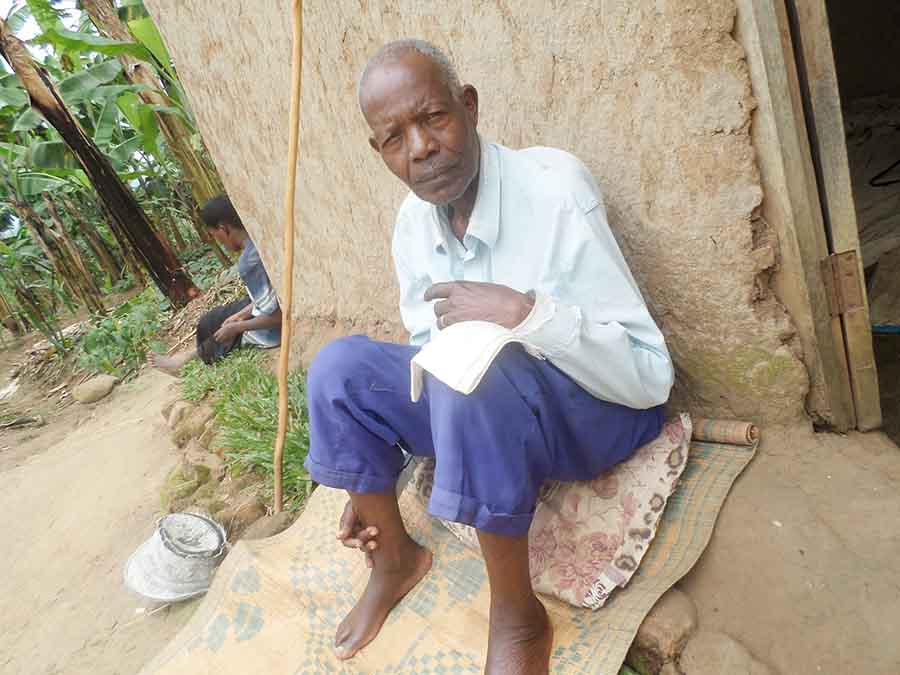
The Late George Kabamwerere composed the song about Kyabeshunga
Immediately, the Bagaaju sent for their clansmen from Katenga omu Njoki to come and support them in fighting the Bahira to retrieve their bride price. This was after Izigire declared, “We have to fight whether they return my sheep or not.” In turn, the Bahira also declared, “We shall fight whether you accept your sheep back or not.” Additionally, Kyabeshunga herself challenged her clansmen, the Bahira, saying, “If you show fear, I will pick up my spear myself and fight, but I swear I will not go back.” The Abahira sided with their daughter and decided to fight for her, sending for support from Kakombe owa Bitomboijo, their Bahira clansmen, informing them that Kyabeshunga had refused her husband (agungire).
Kabamwerere’s tale further describes the serious battle that took place at Kyabahinda, leading to Nyampimbi swamp, with the Bahweju fighting from one side and the Bahira from another. Among the notable people killed in the battle were Rujumbarwa Bangumya Ruhenda-minyeeto Omuhira from the Bahira and Kaaguma ka Rukwatirizarwa Kajoogi from the Bahweju. Kaaguma was Kyabeshunga’s paternal uncle. After hundreds had shed their blood, the Bahira surrendered and agreed to repay the sheep given to them by the Bahweju, ending the battle. The Bahweju took back their sheep, and the Bahira remained with Kyabeshunga. She did not have any children with her former husband, Izigire.
After many years of remaining unmarried because many men feared her based on the incident, Kyabeshunga quietly married in Kakanju, Igara, to Rutaahira rwa Rwabigwa Rugyengyera of the Bateizi (Abasinaba Kyanyaruhangwe). She bore a son, Kabatereine, who was a handsome man resembling his maternal uncle, Ruhuure, and a daughter, Kamusyogo. Torch Media Africa learned that after Rutahira’s death, Kyabeshunga was taken on as a wife by her brother-in-law Karabamu, with whom she bore Domaro Kambiya, who died in 1998, and Felix Makuuna, who died in 2019. Other children included Kyantaagu, Batunguuka, and another daughter whose name could not be established.
Nazario Bikiriyo, Chairman of the Bahweju clan, says that since the incident, it has become almost a taboo in that part of Uganda for a Muhira girl to marry a Muhweju boy. The relationship between the two clans continued to be strained, although the hostility has decreased over time, even though intermarriage remains problematic. To hide her identity in her new settlement, Kyabeshunga changed her name to Kyeshunga, which she was known by in her new home and family.
Kyabeshunga’s home at Nyakashojwa, Kijumo in Kakanju, Bushenyi, where she died about 40 years ago, still has a large family. Although all her sons have passed away, their wives, including Efrance Kibegyemire (wife to Samwiri Kabatereine), Efrance Kikondo (wife to Felix Makuuna), Felicita Bajwairebusha (wife to Domaro Kambiya), and Patricia Kamashamba, are still alive. Kyabeshunga’s year of death could not be easily established since her sons, who could have provided the information, are all dead. It was discovered that at her burial, although she was not baptized, she was prayed over by a church catechist at the request of her sons, who were Catholics. People in Mitooma and Ruhinda had lost track of Kyabeshunga’s whereabouts, with most believing she had hidden far away and died earlier.
As told to Torch Media Africa



