Written By |
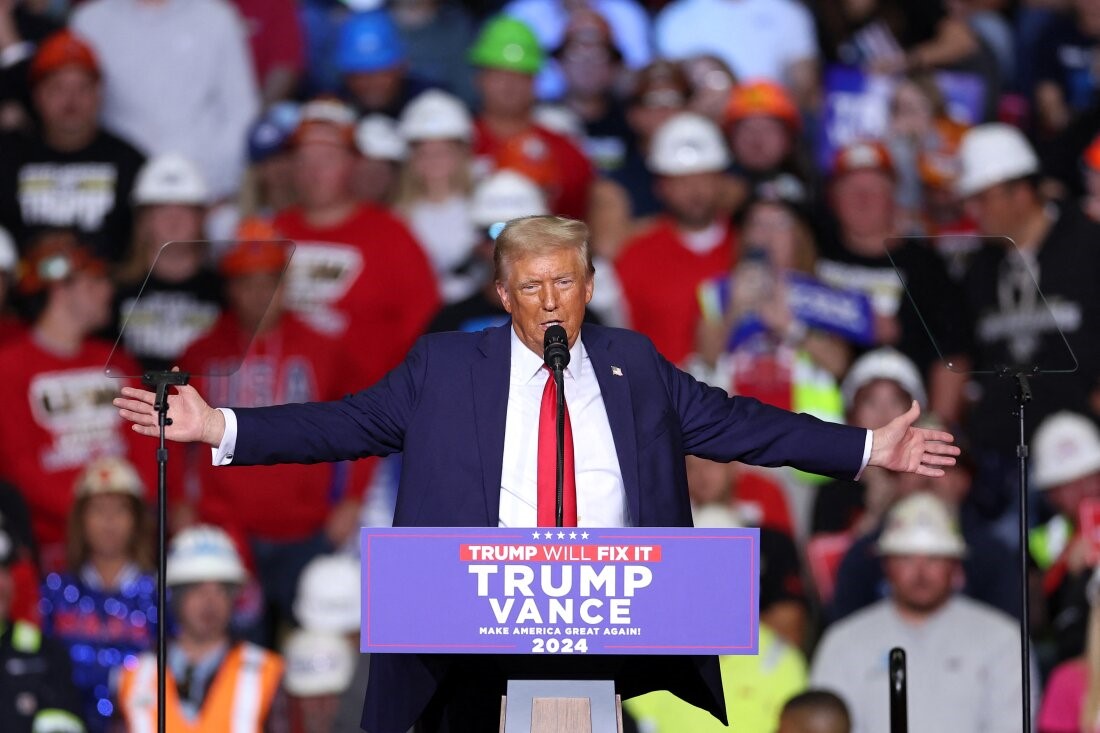
Trump, who largely overlooked Africa during his campaign—similar to Vice-President Kamala Harris—promised policies centered on non-interventionism and trade protectionism
By Our Writer
"What could Donald Trump’s win mean for a third world country like Uganda?" This question is now on many people’s minds after the Republican candidate staged a historic White House comeback in the recent presidential election. Trump, who largely overlooked Africa during his campaign—similar to Vice-President Kamala Harris—promised policies centered on non-interventionism and trade protectionism.
Analysts suggest that while his return may bring potentially radical changes to U.S. diplomatic approaches, historically, it has mattered little for the almost torn apart countries in Africa an beyond, whether Republicans or Democrats hold the White House. U.S.-Africa policy generally revolves around a limited set of U.S. national and global interests, including countering Russian and Chinese influence, combating terrorism, and promoting specific values around human rights.
Simon Mulongo, a former African Union (AU) diplomat, stated, “The U.S. foreign policy is defined by America’s national interests. So, it doesn’t matter who is in the White House, with the only variations being around religion and human rights issues.”
During Joe Biden’s administration, there was a focus on advancing democracy and the rule of law in Africa, which included cutting aid and imposing sanctions in response to human rights abuses. Mulongo noted that Republicans often take a more conservative stance, especially on issues like LGBTQ rights, which Democrats tend to approach more liberally. Without mentioning names, U.S. Secretary of State Antony Blinken in May stated that "Ugandan" officials were sanctioned over the Anti-Homosexuality law, which President Yoweri Museveni signed into law in 2023.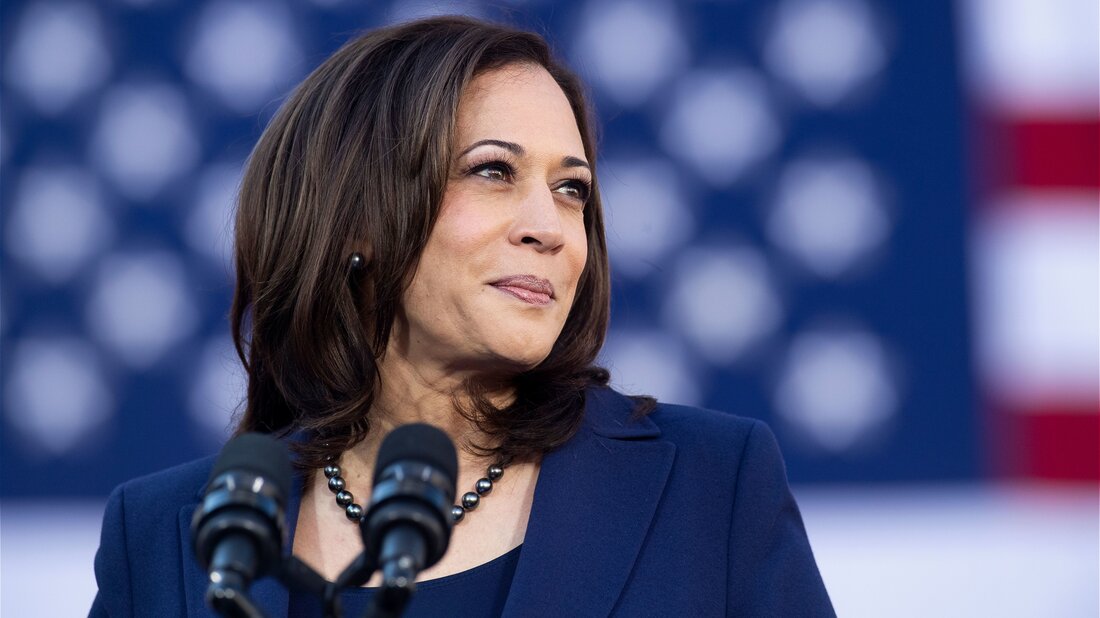
Less Interference in Domestic Affairs?
Political scientist Prof. Sabiti Makara and Uganda Human Rights Commission member Crispin Kaheru believe that Trump’s practical, transactional approach may reduce interference in African countries' domestic affairs, granting some countries greater autonomy in governance. "Trump’s second presidency could mean a lot for those countries because he does not focus on enforcing a particular type of democracy and may avoid interfering in their internal affairs," Makara said. However, Makara cautioned that Trump’s priority will likely remain domestic issues, including boosting trade and ensuring favorable terms with other major economies.
Focus on Trade and Economic Interests
During his first term, Trump’s notable Africa-related initiative was Prosper Africa, a program aimed at helping American businesses operate in Africa. Mulongo suggested that Trump might continue a focus on economic liberalism, benefiting American private companies interested in extractive industries in Africa. Trump is also likely to emphasize securing trade routes around the Red Sea and the Gulf of Aden.
Kaheru suggested that with less focus on governance conditions, These countries may find more flexibility in shaping their policies, as long as they align with shared U.S. objectives. He noted that Trump's approach might create new trade opportunities, enhance security partnerships, and increase private-sector engagement.
Revised Foreign Aid Model
Under his previous administration, Trump reduced support for multilateral organizations and pulled the U.S. out of agreements like the Paris Climate Accord. Kaheru expects that Trump’s policies may remain selective, focused on results-driven partnerships rather than broad aid, possibly aligning U.S. interests with much focus on regional security.
William Popp, the U.S. ambassador to Uganda, indicated that much of the U.S. aid to African countries is routed through NGOs, supporting health, education, and job creation.
With HIV/AIDS rates dropping significantly due to PEPFAR, the U.S. remains a key donor to most African countries' healthcare sector. As Kaheru concluded, a renewed Trump presidency may continue a model where aid and partnerships are prioritized based on specific, mutually beneficial outcomes.
Torch Media Africa



