Written By | Joshua Nahamya
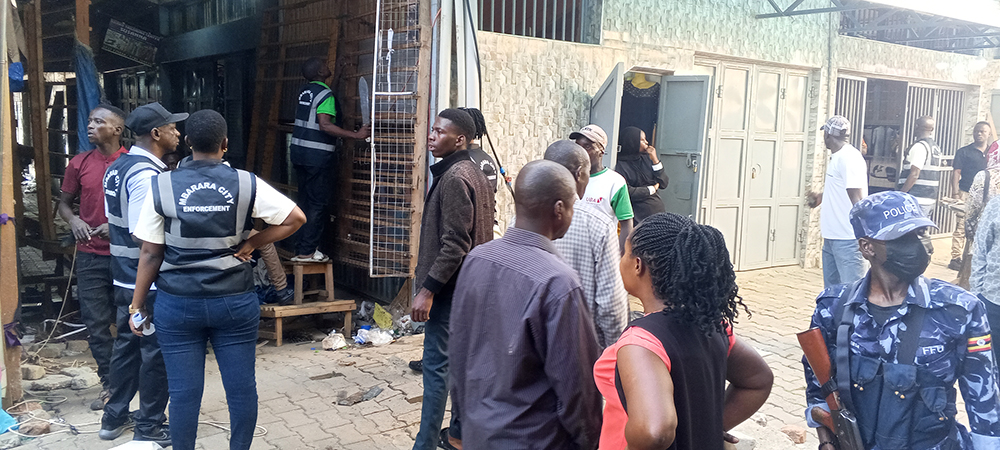
The operation, which began on Mbaguta Street, is expected to expand to Bananuka Drive, Buremba Road, Makhan Singh Street, and Victor Bwana Road
Mbarara City
Business activities in Mbarara City’s central business district were disrupted on Monday morning as city enforcement teams, backed by security operatives, launched a major operation to restore street order and cleanliness.
Traffic remained heavily congested throughout the morning as the city’s enforcement department cleared illegal structures and removed vendors from major streets.
The operation, which began on Mbaguta Street, is expected to expand to Bananuka Drive, Buremba Road, Makhan Singh Street, and Victor Bwana Road. According to city authorities, the crackdown will run for about a month to ensure that all traders comply with urban trade regulations.
Officials said the exercise is aimed at directing traders into newly constructed but underutilized city markets. Authorities argue that as the fastest-growing regional city in Western Uganda, maintaining clean and orderly streets is essential for modern urban development.
During the operation, enforcement teams demolished illegal extensions and temporary structures that had encroached on pedestrian walkways. Shop owners were also instructed to keep their merchandise within the boundaries of their premises.
Meanwhile, street vendors—many of whom operate without permanent stalls—were seen retreating from the streets with goods such as stockings, shoes, bags, and carpets.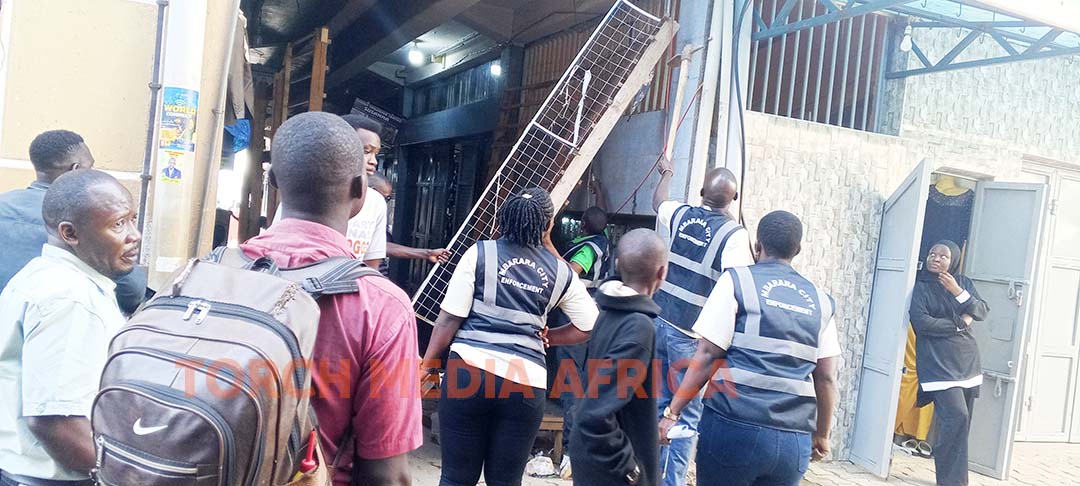
Ongoing operation in Mbarara city on Monday morning
Mixed reactions from traders
The operation drew mixed reactions from the business community. While some traders complied with the directive, others resisted and were arrested. Their goods were confiscated and transported to the Mbarara City yard.
“Even if you have a shop, the items we sell cannot always fit inside. To grow a business, you need some display space outside. How shall we do business when the city doesn’t want us to expand?” one disgruntled trader asked.
Others expressed concern that the disruption could make it difficult to meet financial obligations such as taxes, trading licenses, and school fees.
“How can I open my shop when people are scattered like this?” said another trader who preferred anonymity. “They are even destroying the temporary shades we put up to protect perishables like Blue Band from the sun. We invested a lot of money in these. We have school fees to pay and families to feed. If they push us out like this, they are forcing us into bad activities like stealing.”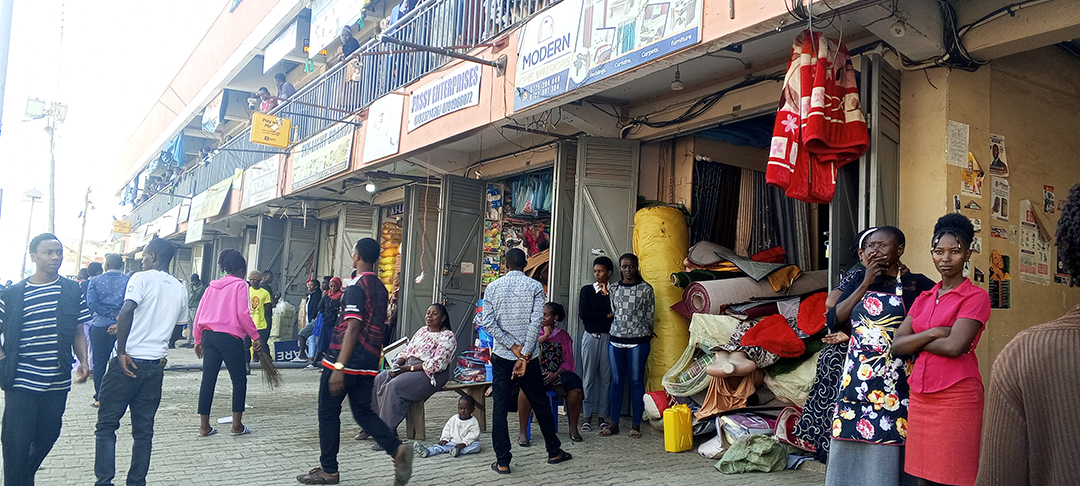
Traders fearing for their business as authorities enforce street order in Mbarara City
City defends enforcement
Mbarara City Clerk Justine Barekye defended the operation, saying traders had been given sufficient notice before enforcement began.
“The grace period is over. We gave them a two-week ultimatum and ran radio announcements to ensure people were aware. We did not want to catch anyone unaware,” Barekye said.
She added that other cities and municipalities had enforced similar measures immediately, but Mbarara allowed traders additional time to adjust.
Barekye emphasized that the operation is intended to decongest the city and enforce proper street order. She urged traders to utilize space in official markets, many of which remain underoccupied.
“Our markets are available. If you go to the Central Market, Nyamityobora, or Rwebikona, you will find empty stalls. Some people have also constructed commercial buildings and are looking for tenants. Traders should go and rent space like others are doing,” she said.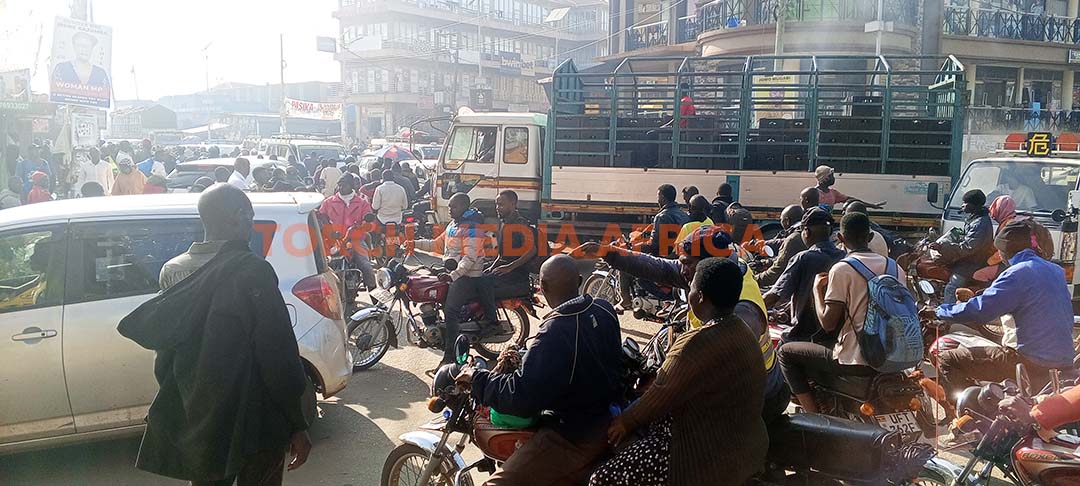
Traffic paralyzed in Mbarara as authorities enforce a street order
Next target: transport sector
The City Clerk also warned that the enforcement exercise will soon extend beyond traders to include the transport sector.
“Street order does not concern traders only. We are also coming for the transport sector—boda bodas and taxis operating from non-gazetted stages around town,” Barekye warned.
Mbarara joins cities such as Kampala and Mbale, which have recently conducted similar operations aimed at reclaiming public spaces and improving urban order.
Torch Media Africa



