Written By | Health News Agencies
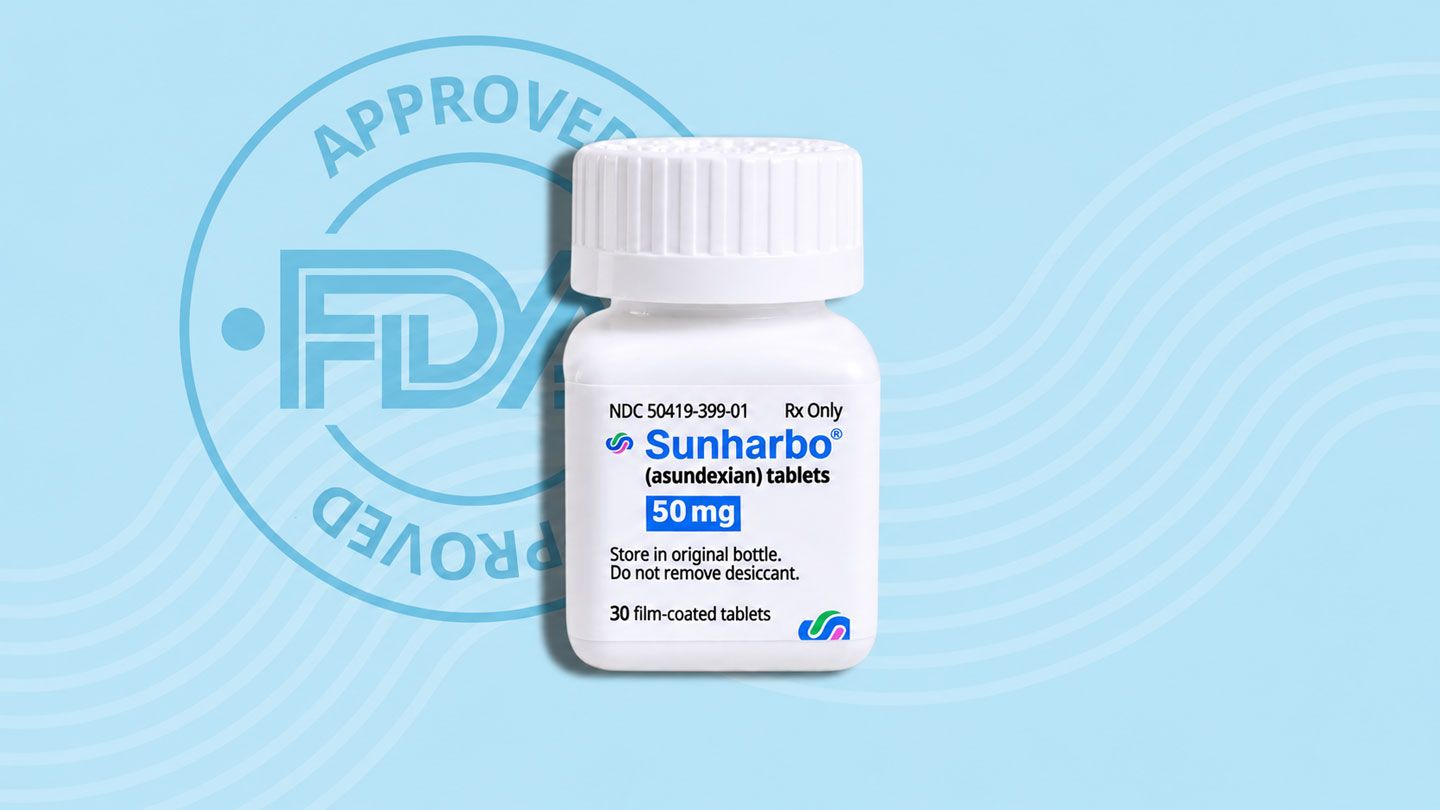
Bayer's once-a-day Sunharbo cut repeat strokes by 26% in a 12,000-patient trial without a significant rise in major bleeding
WASHINGTON
Here is the frightening part of surviving a stroke: the danger isn't over when you leave the hospital. For hundreds of thousands of Americans each year, the first stroke turns out to be a warning shot, and the second one can be the one that takes their speech, their mobility, or their life.
This week that grim pattern got a new opponent. On Monday, November 9, 2026, the U.S. Food and Drug Administration approved Sunharbo (asundexian), a once-daily pill from German drugmaker Bayer. It is the first medicine of its kind cleared in the United States, part of a long-awaited new class of blood thinners called Factor XIa inhibitors.
In the pivotal trial, the drug cut the risk of another ischemic stroke by 26% compared with placebo when added to standard antiplatelet therapy. The bleeding problems that have dogged blood thinners for decades did not significantly increase overall.
"Stroke is a leading cause of disability and death in the United States," said FDA official Dr. Hylton V. Joffe in remarks reported by AJMC. The new pill gives doctors a way to go after that toll from a different direction.
The Silent Second Strike
The numbers are sobering. U.S. health authorities estimate that more than 795,000 strokes happen in America every year, and about a quarter of them hit people who have already had one. According to the CDC, heart disease and stroke together killed more than 850,000 Americans in 2024, and cardiovascular disease costs are projected to reach roughly $2 trillion by 2050.
The period right after the first event is the most dangerous. "The risk of another potentially devastating event is highest in the days and weeks after the initial event," said Dr. Ashkan Shoamanesh, an investigator on the trial behind the approval.
For years the standard defense has been antiplatelet drugs such as aspirin and clopidogrel, which make blood platelets less sticky. They help, but plenty of patients still go on to have another stroke. Adding stronger blood thinners on top has always been a gamble, because any drug that stops clots can also stop the body from sealing a wound. That can mean bleeding in the gut or, worst of all, bleeding in the brain.
How the "Smart" Blood Thinner Works
Sunharbo targets a specific clotting protein called Factor XIa. Scientists have spent years chasing this target for one reason. Factor XIa appears to play a big role in making dangerous clots grow and resist breakdown, but a smaller role in the routine patching up of an injured blood vessel.
In theory, blocking it lets doctors shut down harmful clots while leaving much of the body's normal repair system alone. Dr. Mike Sharma of McMaster University and the Population Health Research Institute, who presented the trial results, put it this way: the appeal of Factor XIa is "this ability to uncouple hemostasis from thrombosis." In plain English, that means separating the healthy clotting that stops bleeding from the dangerous clotting that causes strokes.
That is a different approach from today's best-known anticoagulants. Bayer's own blockbuster Xarelto, for example, blocks a neighboring protein, Factor Xa. Xarelto is powerful, but bleeding is a well-known trade-off.
Inside the 12,000-Patient Trial
The approval rests on a huge study called OCEANIC-STROKE. Researchers enrolled 12,327 patients who had just had a mild-to-moderate ischemic stroke not caused by a clot from the heart, or a high-risk "mini-stroke" known as a transient ischemic attack (TIA). Each patient was randomly assigned within 72 hours of their symptoms starting: 6,162 to asundexian and 6,165 to placebo. Everyone also kept taking their antiplatelet medicine.
The average patient was 68 years old, and one in three was a woman. Enrollment ran from January 2023 to February 2025, and patients were followed for at least three months and as long as 31 months. The median time on treatment was 14.2 months.
The results, first unveiled at the International Stroke Conference in New Orleans on February 5, 2026, and later published in the New England Journal of Medicine, were striking:
According to TCTMD, doctors would need to treat about 53 patients for one year to prevent one ischemic stroke. For a condition this devastating, many specialists consider that a meaningful payoff.
"The curves diverged early, and that divergence continued throughout the treatment period," Dr. Sharma said when he presented the data, meaning the protective effect showed up quickly and held.
Researchers also reported no significant differences in brain bleeds, hemorrhagic strokes or fatal bleeding between the two groups.
The Fine Print
Before anyone rushes to their doctor, there are some important caveats. First, the label is narrow. Sunharbo is approved for adults who recently had a mild-to-moderate noncardioembolic ischemic stroke, defined as a score of 15 or lower on the NIH Stroke Scale, or a high-risk TIA. It must be taken alongside antiplatelet therapy, at a dose of 50 mg once a day. It is not approved for preventing strokes in people with atrial fibrillation, the irregular heartbeat that causes many strokes.
That limit has a history. Bayer's drug stumbled in an earlier large study in atrial fibrillation patients, a setback that briefly cast doubt on the whole Factor XIa class. The stroke trial put the program back on track, but AFib patients should not expect this pill to replace their current blood thinner.
Second, bleeding isn't zero risk. While major bleeding didn't rise significantly overall, AJMC reported that it was higher with asundexian in patients older than 75 and during the first 90 days of treatment. Gastrointestinal bleeding was also more common. The most frequently reported side effect was diarrhea.
Third, there is the price. A Bayer spokesperson told BioPharma Dive the list price is $748.50 for a 30-day supply, close to $9,000 a year before insurance. How many patients actually get it will depend heavily on what insurers decide to cover, and analysts have flagged access as the main thing that could slow the launch.
Expert Perspective
Stroke specialists are excited, but careful. Dr. Richa Sharma of the Yale School of Medicine, who was not involved in the research, called the trial "very groundbreaking for us clinicians who take care of stroke patients." She also warned that doctors must focus on selecting "the right patient population for whom this would be a safe drug."
That balancing act is likely to define the drug's first years. Patients who are older, who have a history of stomach bleeding, or who take other medicines that affect clotting will need careful evaluation.
Bayer is betting big. Sebastian Guth, Bayer's chief operating officer and U.S. president, told BioPharma Dive that physicians see "very significant utility for the patients they serve," and that stroke neurologists, often the first to treat these patients, will be a "very important part" of the early rollout. Primary care doctors are expected to become more important over time. Guth also said the drug's value proposition "does resonate with payers."
The Big-Money Race for the Next Blood Thinner
For Bayer, the approval comes at a crucial moment. Its veteran anticoagulant Xarelto is facing generic competition outside the U.S. The company reported €738 million (about $860 million) in Xarelto sales for the first half of 2026, a drop of almost 43% from the year before.
Sunharbo, which was already approved in China for preventing repeat strokes, gives Bayer a first-mover lead in what analysts think could become a multibillion-dollar drug class. Rivals are close behind. Bristol Myers Squibb and Johnson & Johnson are testing milvexian in large stroke and atrial fibrillation trials, though it has had several setbacks. Novartis is developing an injectable antibody it gained through its $925 million acquisition of Anthos Therapeutics in 2025. Newly public City Therapeutics has an early-stage RNA-based Factor XIa medicine in development. If those programs succeed, patients could have a whole new family of blood thinners to choose from within a few years.
What This Means for You
If you or a loved one has recently had an ischemic stroke or a TIA, this approval is worth a conversation with your neurologist or primary care doctor. Here are the key points to bring up:
And remember the basics still save lives. Controlling blood pressure, managing cholesterol and diabetes, quitting smoking, and knowing the warning signs of stroke (face drooping, arm weakness, speech difficulty, time to call 911) remain the first line of defense.
The Bottom Line
For decades, doctors trying to prevent a second stroke have been stuck choosing between protection and bleeding risk. Sunharbo doesn't make that dilemma disappear, but it shifts the balance in a way the field has been chasing for years.
A 26% cut in repeat strokes, fewer disabling strokes, and no significant overall jump in major bleeding is a result stroke specialists have long hoped to see. The real test now moves from the trial to the clinic: whether the right patients get it, whether insurers pay for it, and whether the safety record holds up once the drug reaches hundreds of thousands of people.
For the many Americans living with the fear of the next stroke, this week brought something that has been rare in this field: a genuinely new option.