NAIROBI
A dispute over the raising of a regional flag in the border town of Moyale has grown into one of the most serious inter-regional confrontations in Ethiopia in years, with fighting between forces of the Oromia and Somali regional administrations displacing tens of thousands of people into northern Kenya. The federal government in Addis Ababa, led by Prime Minister Abiy Ahmed, has been described as silent by local reporting, while Kenya has deployed extra police, pressed its Ethiopian counterpart to intervene and warned that it has no food stocks prepared for the influx. The crisis is a test of Ethiopia's ethnic federal system and of Abiy's ability to manage a new front alongside several existing ones.
From a flag to a firefight
Moyale straddles the Kenya–Ethiopia border and is jointly administered by the Oromia and Somali regions. Tensions escalated around Oct. 18 after the Somali regional flag was raised in the disputed area, according to Al Jazeera and Addis Standard, which both also report the killing of a 13-year-old girl. AFP, citing sources, reported on Oct. 24 that fighting had broken out after the flag was raised, and that the monitoring group ACLED recorded the girl's death and at least five others in the initial confrontation. AFP could not independently verify the toll. Mwakilishi dates heavy clashes to around Oct. 22, so reports differ on exactly when the fighting intensified.
Residents' accounts are vivid but unverified. Wako Ganale told AFP that "Somali fighters are firing heavy weapons from large buildings in the town while Oromia forces are fighting back." By Nov. 4, Addis Standard reported, clashes had spread across seven districts, with the heaviest fighting in Areero district around the Dawa River basin. Addis Standard said it could not independently verify the claims it relayed.
Two communities, two narratives
The elders' competing accounts show how little common ground exists. The Borana Aba Gada (Aba Geda) said, "We will defend ourselves against the attack launched upon our homeland until the last Borana son is left," alleging that the flag was planted "inside our land" to provoke the Borana. He said removing the Somali flag from "Borana territory" is the only solution, and that he had raised the matter with Oromia and federal authorities without lasting result. He also warned that the Aba Gada's customary migration from Dirree to Liban, scheduled for next month, may be disrupted.
A Garii clan elder told Addis Standard that the Somali flag has flown in Moyale for years without similar confrontations, and that the latest raising followed the mayor opening an office under a new administrative structure. He said the Garii regard the disputed areas as "ancestral territory" and "will not yield any land," and that government security bodies on both sides are involved, so the government has full authority to stop the fighting. A Dawa Zone Somali elder likewise argued that land belongs to the community that historically settled it. Two attempts at mediation, held where federal military commanders were stationed, ended without agreement, Addis Standard reported.
Dr. Abdiwahab Sheikh Abdisamad, an analyst quoted by Al Jazeera, said the clashes have grown beyond a territorial dispute, exposing ethnic divisions and political competition between the regional administrations, and cited perceptions of Oromo expansionism. He also cited allegations of federal support for Oromia's regional leadership, which deepen mistrust. Al Jazeera noted that it could not verify those allegations and did not report a federal government statement.
The displacement count
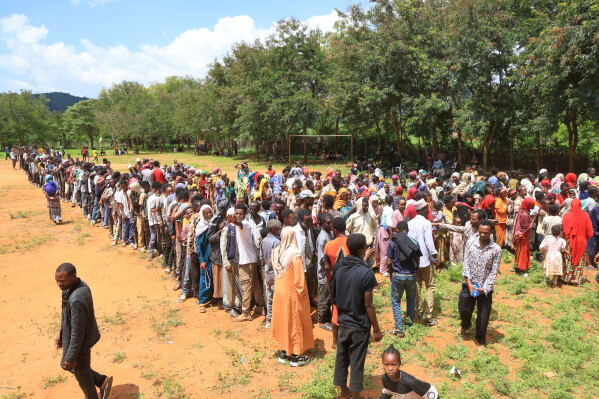
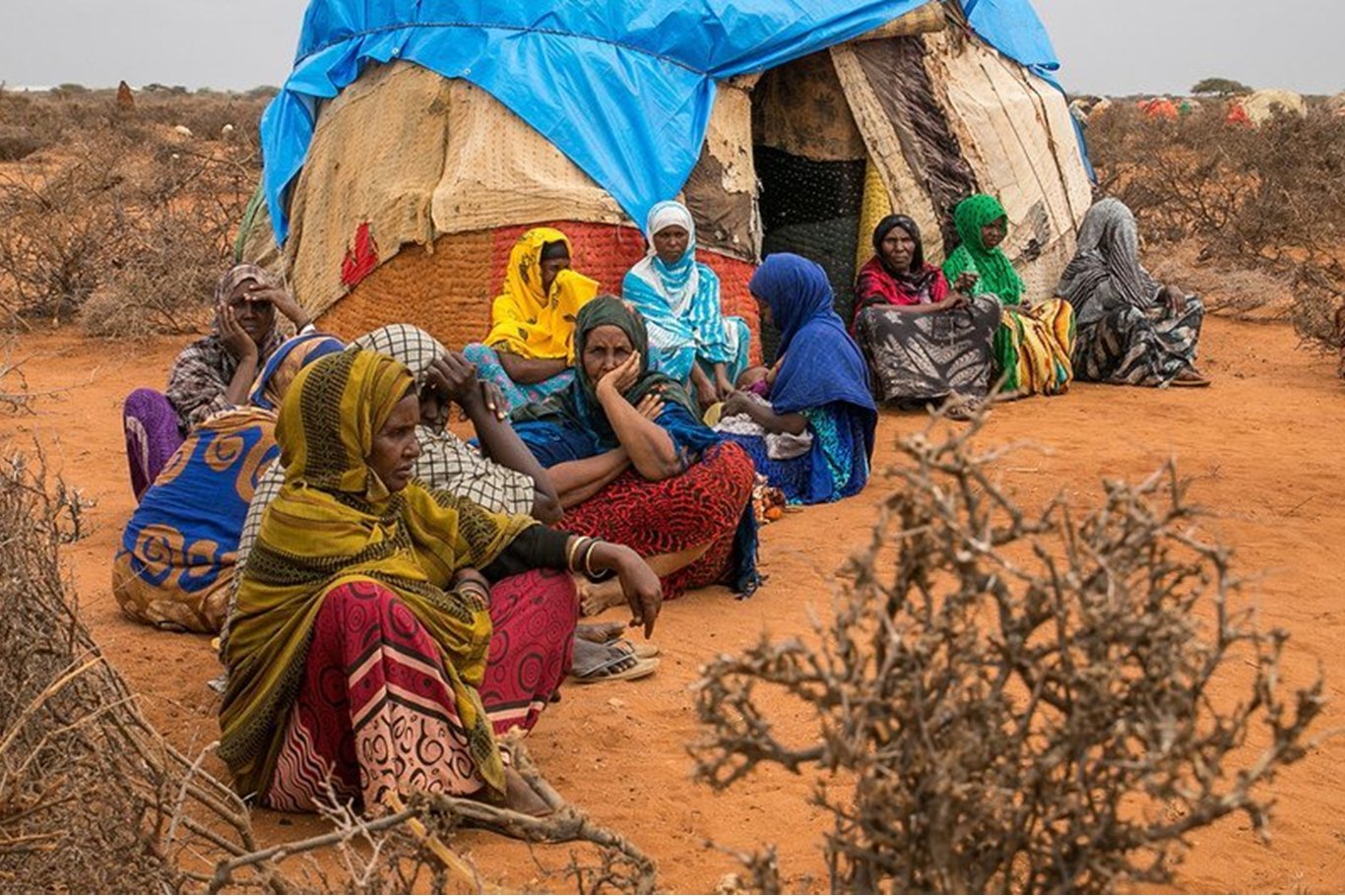
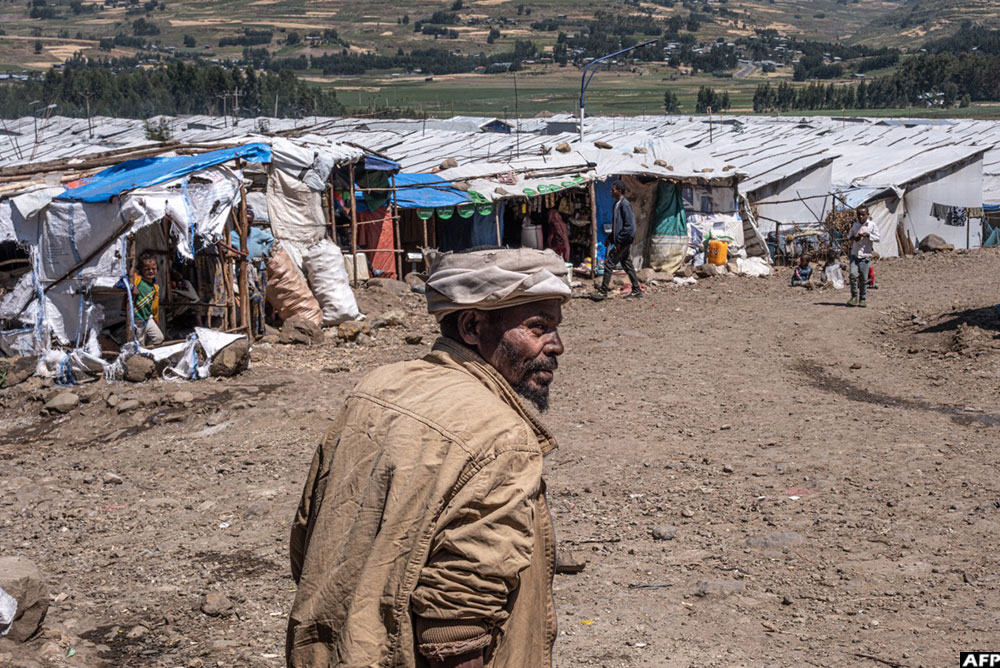
The scale of displacement is contested because estimates cover different periods and populations. A government-led assessment conducted Oct. 29–30 estimated 35,950 people displaced as of Oct. 24, covering 758 households: about 25,000 staying with host families and nearly 11,000 in temporary sites, according to Al Jazeera. Kenya Red Cross regional head Malik Adan said the number had since risen above 50,000, including those in temporary settlements and with relatives or hosts. Kenya's Prime Cabinet Secretary, Musalia Mudavadi, said the problem "has caused about 40,000 people to evacuate to Kenya." Inspector General of Police Douglas Kanja said about 10,000 people were in temporary shelters and public institutions, a narrower figure that is not directly comparable. Al Jazeera said no final figure has been independently established. Most arrivals are women and children, according to UNHCR.
Kenya's response
Kenya has moved on three fronts: security, diplomacy and relief. After stray bullets and unexploded ordnance landed on the Kenyan side, Kanja ordered extra officers to Moyale on Nov. 5 to strengthen surveillance and protect residents, Mwakilishi reported. Al Jazeera reported that Kanja said one Kenyan died after being hit by a stray bullet, and a police report indicated an Ethiopian man died from gunshot wounds sustained in Kenya.
Diplomatically, Mudavadi said he contacted his Ethiopian counterpart and asked Addis Ababa to intervene, calm tensions and restore stability so displaced people can return. He said Ethiopia had assured Kenya that "they will do their best to return the issues to normalcy." Kenyan authorities have not set up a refugee camp, Al Jazeera reported, because security must first improve; registration and needs assessments are under way, coordinated among the Department of Refugee Services, county authorities and UNHCR.
On relief, the picture is strained. Mwasaru Mercy, Kenya's acting commissioner for refugee affairs, said, "There are no contingency food stocks specifically for this incident because it happened abruptly." Arrivals lack food, cooking utensils and bedding, diarrhoea is spreading and families fear malaria, according to Al Jazeera. UNHCR's Kenya representative, Fatima Mohammed Cole, appealed for a ceasefire. Benedict Munywoki, Moyale's deputy county commissioner, told AP that "more and more people are fleeing from their country and coming to our town." Leaders in Kenya's Marsabit County warned that the arrivals could overwhelm communities already short of food and water. Abdi Maalim of the Moyale Cross-Border Peace Committee said, "Previously, we were supplying this town alone. Now we are literally taking care of two towns together."
On the Ethiopian side, the Ethiopian Red Cross Society provided about 30 million birr (about $182,970) in shelter and household items to 1,000 displaced households in and around Moyale town, including 2,000 tarpaulins, blankets and sleeping mats, Al Jazeera reported.
Economic spillover
The fighting is also choking a key trade corridor. Trucks carrying goods between Mombasa and Addis Ababa have been stranded near the border for almost two weeks, Al Jazeera reported. Bank closures have disrupted circulation of the Ethiopian birr, and traders report price rises of about 20%. British travel advice issued Nov. 6 counsels against all but essential travel to Moyale, according to a Rio Times briefing.
Analysis: a federal system under strain
Ethiopia's 1995 constitution organised the country into ethnically defined regional states, and the borders between them, many of which date to 1991, have long been a source of friction, as AFP noted in its report. Most such disputes are handled through quiet federal mediation or by deploying federal forces. What is unusual about Moyale is the combination of regional armies, heavy weapons, a rapid spread across seven districts and an apparent absence of a visible federal response, though the latter rests on Addis Standard's description and Al Jazeera's lack of a federal statement, not on a confirmed federal position.
The politics are awkward for Abiy. He comes from Oromia, one of the two parties to the dispute, as AFP pointed out, which makes allegations of federal bias, however unverified, politically corrosive and hard to dispel with silence. Meanwhile, AFP reported that his government has been fighting rebel groups in Oromia and Amhara for several years, that fighting has recently resumed in Tigray, site of the 2020–2022 war, and that diplomatic disputes with Eritrea have raised fears of another conflict. A federal government with those commitments may have limited bandwidth, or limited appetite, for a new front in the south.
The elders' language also suggests that the dispute has acquired a life apart from the politicians. Claims of religious and ancestral obligation to defend territory, and the Aba Gada's vow to fight "until the last Borana son is left," leave little room for the compromise that a federal arbiter would typically seek. The failure of two mediation attempts held under the eyes of federal commanders underscores the point.
For Kenya, the stakes are practical and political. Nairobi must feed and shelter tens of thousands of people without a camp or contingency stocks, protect a border community from stray fire, and keep a major trade route open, while relying on a neighbour whose government has so far offered assurances rather than action.
What to watch
Four indicators will signal where this goes. First, whether the federal government issues a public statement or deploys forces to separate the combatants, which would be the clearest sign of a policy shift. Second, whether a third mediation round, ideally with the Aba Gada and Garii elders at the table, produces a ceasefire; UNHCR has already appealed for one. Third, whether the displacement figure continues to climb above the Red Cross's 50,000, and whether Kenya opens a formal camp once security allows. Fourth, whether the December Aba Gada migration goes ahead or is disrupted, which the Borana leader has flagged as a risk. Until then, Moyale's border remains both a front line and a lifeline, and the people crossing it are likely to be there for some time.
Published By | News Editor