Written By | Entertainment Desk

A 198-page novel about a beachcomber, a gun-toting aunt and a shape-shifting artefact has upended one of literature's most prestigious awards.
LONDON
For more than half a century, the Booker Prize has crowned novels of memory, empire, family and ruin. On Monday night's decision, announced at a ceremony in London, it crowned something stranger. British author M. John Harrison, 81, won the 2026 Booker Prize for The End of Everything, becoming the first science fiction writer to take the award, and, at 81, the oldest winner in the prize's history.
A book about the ground giving way
The End of Everything is Harrison's 13th novel, and at 198 pages it is notably slim. Set on England's southeast coast in the near future, it begins after an unspecified calamity has brought enigmatic alien entities to Britain. Its protagonist is a beachcomber who lives with his gun-toting aunt and discovers a puzzling, shape-shifting artefact on the shore. Reports describe the book as a dystopian satire.
What the plot omits is as important as what it contains. Chair of the judges Mary Beard, the historian, said the book takes a distinctive approach to catastrophe: "What he does is to say, when the catastrophe comes, you won't know what's happening." She also called the novel "the politics of now seen through the lens of the future."
The panel, which also included poet Raymond Antrobus and Pulp singer Jarvis Cocker, deliberated for four or five hours before reaching a unanimous decision. In a collective description, the judges called the book a "thriller, a mystery, a satire, a dystopia, a road novel, a work of realism," a list that suggests why it resists easy shelving.
The long road to the podium
Harrison is hardly a newcomer. He spent years working for the speculative fiction magazine New Worlds, a title closely associated with the British New Wave of science fiction, and he previously won the Arthur C. Clarke Award for the novel Nova Swing. Yet the Booker, whose judges choose from English-language novels published in the UK or Ireland, has historically leaned toward realist literary fiction. That makes Harrison's win a genuine break with tradition.
He is also the oldest winner. He is two years older than Margaret Atwood was when she won in 2019 for The Testaments. Asked what he hoped readers would take from the book, Harrison offered a typically spare answer: "It's a grim world, and it's weird."
As for the £50,000 prize, about $67,000, he said he would most likely spend it on repairs to his house, an endearingly practical coda for a night of high literature.
The favourites that fell
Harrison beat five other finalists. Among them were Douglas Stuart and Marlon James, both previous Booker winners, who were the oddsmakers' favourites, and Pulitzer Prize winner Elizabeth Strout. Beating three such heavyweights makes the verdict feel less like a novelty pick and more like a considered statement about where the judges believe the energy in contemporary fiction lies.
The prize, founded in 1969, counts Salman Rushdie, Ian McEwan and Arundhati Roy among its past winners. Last year's winner was David Szalay's Flesh. The contrast between that quiet, character-driven title and this year's alien-haunted coastline shows the range the award can reach when its judges choose to.
Reaction beyond the ceremony will take time to gather, but the framing is already clear: this is a prize that rewarded risk. Judges who spend months reading dozens of novels often say they are looking for books that could not have been written by anyone else, and Harrison's oblique, unsettling prose fits that description.
Why genre walls are crumbling
Harrison's victory arrives at a time when the border between literary and genre fiction is increasingly porous. Readers have long moved easily between the two; prize committees have been slower. A win for a book that openly uses the machinery of science fiction, and uses it to talk about politics, suggests the old hierarchy is loosening. Beard's phrase, "the politics of now seen through the lens of the future," could serve as a defence of the whole genre.
It also offers a reminder that the speculative has always been a way of writing about the present. Stories of strange arrivals and unexplained disasters do not escape reality; they sharpen our view of it, particularly the sense of being confused, under-informed and slightly absurd while history happens around us.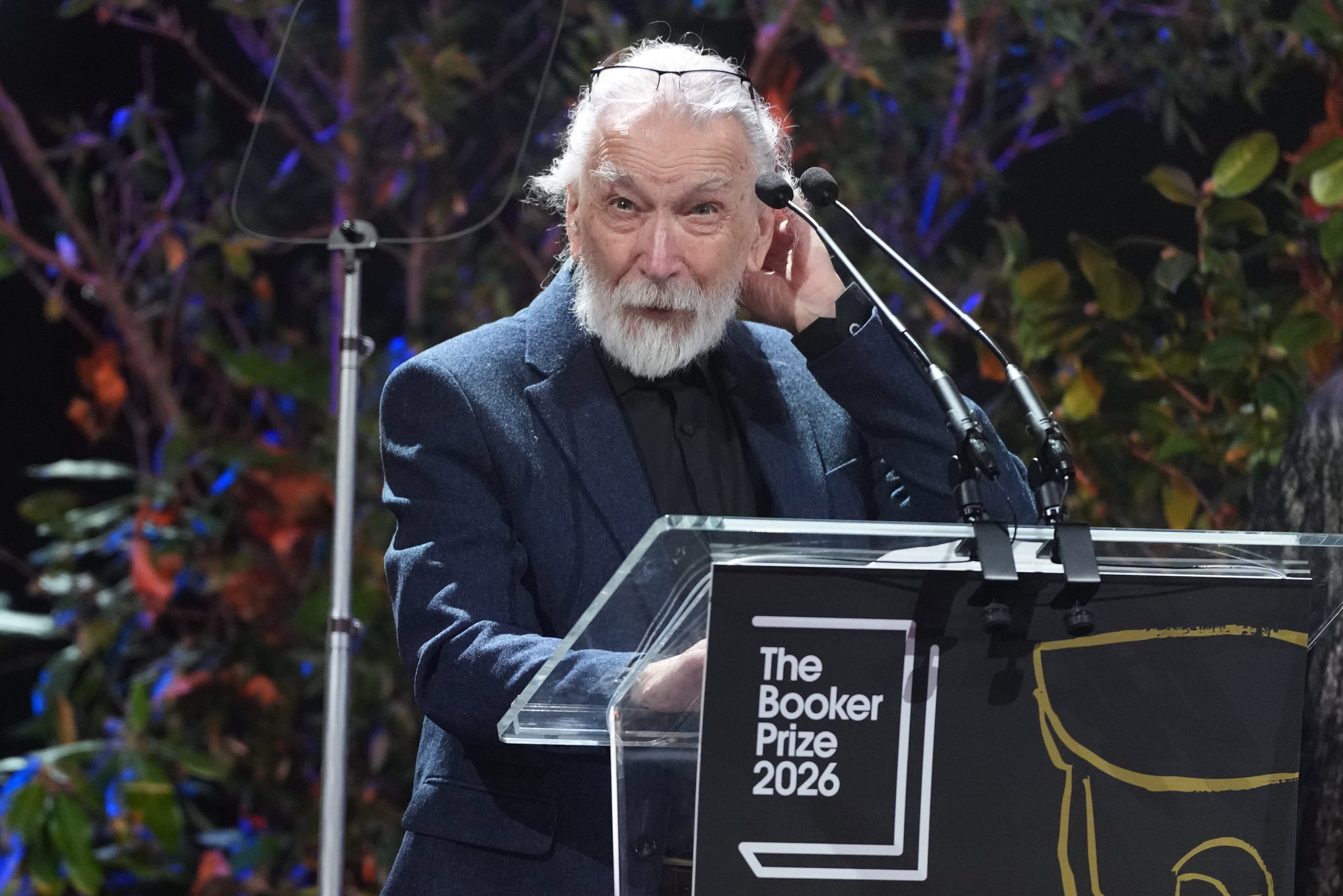
What this means for you
If you are a reader, expect bookshops to move quickly. Booker winners typically enjoy a sales surge, and a short book is an easy entry point for anyone curious about Harrison, who has long been admired in genre circles but is far less known to general readers. At fewer than 200 pages, The End of Everything can be read over a weekend. If you are a writer, the lesson is encouraging: a long career spent at the margins, working in a form others dismissed, can end up at the centre of the conversation.
For book clubs, it is a rich choice. The novel's questions about knowledge, institutions and what we do when no one can explain what is happening offer plenty to argue about, and its blend of satire and dread keeps it from being a purely sombre read.
A win for the margins
Prizes can feel like closed rooms. This one has opened a window. Harrison, who has spent decades writing quietly strange fiction, now holds the most visible trophy in English-language literature, and the genre he has served so long is, for the first time, on its roll of honour. The judges chose unanimously, and it is hard to argue they chose wrongly.
As for Harrison, he seems unperturbed. A grim, weird world; a repaired house. Not a bad outcome for the oldest Booker winner of all.