ABUJA
A Federal High Court judgment that voided the leadership of Nigeria's main opposition vehicle, and with it the presidential nomination of former Vice President Atiku Abubakar, has thrown the run-up to the 2027 general elections into legal turmoil. Justice Peter Lifu of the Federal High Court in Abuja ruled on Thursday, Nov. 5, that the caretaker leadership of the African Democratic Congress (ADC), headed by Senator David Mark, was unlawful, and that the primary which produced Atiku as the party's presidential candidate was null. The ADC filed a notice of appeal and a motion for a stay of execution within a day. Five days on, the electoral commission has taken no formal step, the party is vowing to stay on the ballot, and a running mate has warned of unrest if the matter is badly handled.
The ruling
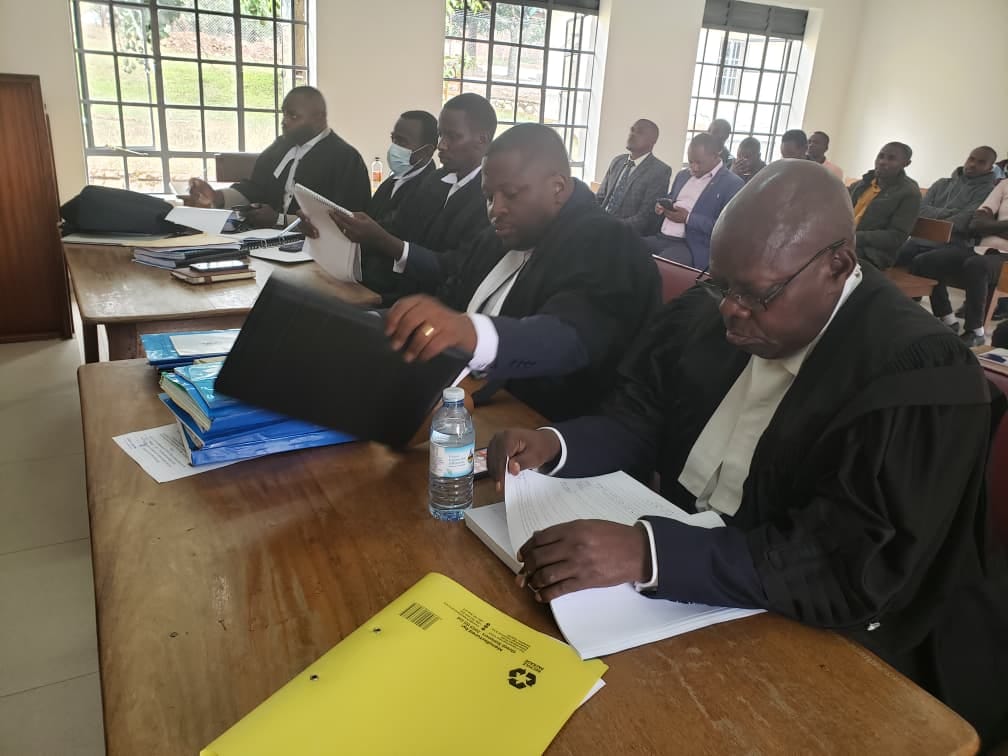
The case, suit number FHC/ABJ/CS/1819/2025, was brought by Nafiu Bala Gombe, a former ADC National Deputy Chairman for the North-East who argued that the Mark-led leadership did not emerge in line with the party's constitution or the Electoral Act. The defendants were the ADC, the Independent National Electoral Commission (INEC), Mark, Rauf Aregbesola and former chairman Ralph Nwosu. The Mark-led committee took over after Nwosu resigned as national chairman, according to BusinessDay.
According to BusinessDay and THISDAY, Justice Lifu upheld the suit, declared the Mark-led executive's actions unlawful, unconstitutional, null and void, and recognised Gombe as the authentic leader. He held that INEC should not recognise the Mark-led executive. Because the congresses and the convention that produced Atiku and other ADC candidates were conducted by that executive, the judgment calls their validity into question. The defendants had asked for dismissal, arguing that the matter was an internal party affair outside the court's jurisdiction, THISDAY reported.
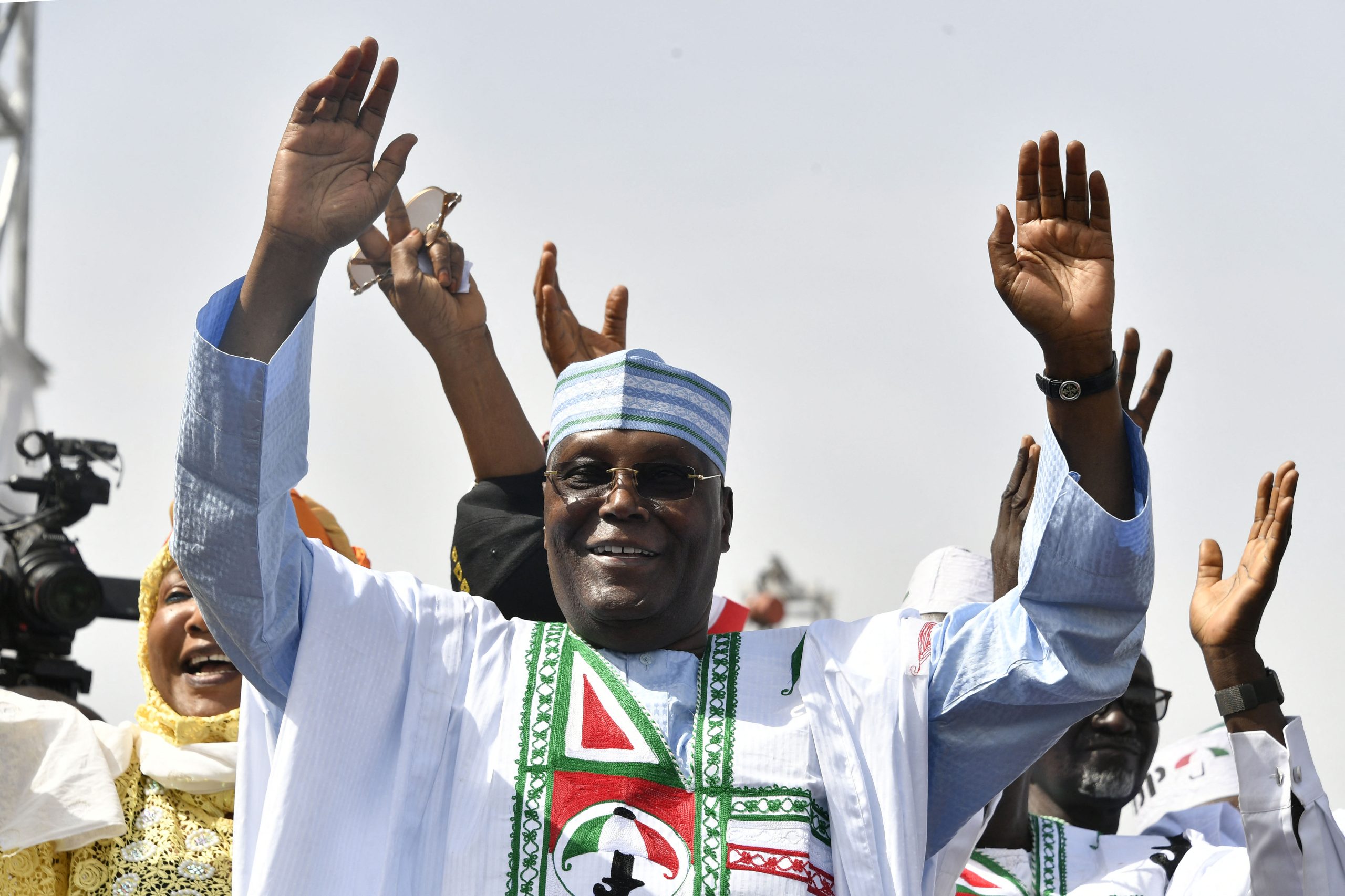
Atiku had been published by INEC as the ADC's presidential candidate and had chosen former Rivers State Governor Rotimi Amaechi as his running mate. The ruling came about 24 hours after Atiku held a large rally in Sokoto State, BusinessDay reported. Coverage of the ruling has varied in detail: a Rio Times briefing noted that Nigerian outlets disagreed on the judge and the scope of the order, though BusinessDay, THISDAY and The Nigeria Lawyer all identify Justice Lifu.

The ADC's response
The ADC moved quickly. According to THISDAY, its notice of appeal and stay motion were dated and filed on Nov. 6. The stay motion is pending at the Federal High Court and had not yet been heard at the time of reporting. The party's legal team, led by Shaibu Enejoh Aruwa, a Senior Advocate of Nigeria, also wrote to INEC asking it to "stay further action on the subject matter of the suit" pending the appeal. ADC spokesman Phrank Shaibu said INEC "must therefore exercise restraint" and that the judgment was "now under challenge before a higher court." The party also petitioned the Chief Judge to have Justice Lifu recused, an effort that was unsuccessful, according to the party's Kola Ologbondiyan as reported by THISDAY.
Atiku wrote on X, "We are on the ballot, and the people must be allowed to decide," and accused the government of pushing Nigeria toward a one-party state, saying President Bola Tinubu "cannot use the courts to escape" the voters' judgment. Ologbondiyan said the ADC "will be in this election" and pointed to conflicting rulings, citing an earlier dismissal of the matter by Justice Musa Liman; that claim was his own and was not independently confirmed in the reporting reviewed. A Rio Times briefing noted, separately, that Gazette Nigeria reported on July 22 that another judge had upheld Mark's leadership. The existence of earlier rulings pointing in different directions is central to the party's argument that the matter should be settled on appeal rather than by the trial court's judgment alone.
Amaechi, speaking on Mainland 98.3 FM in an interview reported by Linda Ikeji's Blog on Nov. 8, offered the starkest warning. "It could cause a civil war if not properly managed," he said of the judgment. He also said that after he, Atiku and the party chairman met, he urged supporters to "please, lower the tempo," and insisted that "there is no internal rift in our party, none."
INEC's position
INEC has been cautious. Mohammed Kudu Haruna, the national commissioner who chairs the commission's Information and Voter Education Committee, told The Nigeria Lawyer in a telephone interview on Nov. 6 that "we haven't received the judgment yet," and dismissed social-media reports that Atiku and Amaechi had been removed from the 2027 candidates' portal. He said a certified true copy of a judgment "usually takes about a week" to obtain, that INEC had not met on the implications, and that its actions would follow the judicial process rather than unverified posts. On that Friday, the portal still listed Atiku as the ADC presidential candidate and Amaechi as running mate, though The Nigeria Lawyer noted that this was not a formal INEC position on the judgment's validity. Information Nigeria carried a headline stating that INEC would meet the following week over the judgment, but the article text could not be reviewed for this report.
The commission's timing matters. Once it holds a certified copy, INEC must decide whether to treat the judgment as binding while an appeal is pending, or to wait for the stay motion and the appellate process. The sources reviewed do not set out INEC's 2027 timetable or candidate-submission deadlines, so the amount of time available for the courts to resolve the matter cannot be stated here.
The government and rival camps
The governing All Progressives Congress (APC) has sought distance from the ruling. Its spokesman Felix Morka said the APC is "neither a party nor an interlocutor in the matter," calling the ADC's crisis self-inflicted and the case a dispute with "pirate leaders," THISDAY reported. Aviation Minister Festus Keyamo struck a harder note, saying heaven would not fall if Atiku is not on the ballot and citing Supreme Court rulings against APC candidates in Zamfara in 2019 and Bayelsa in 2020. Another headline attributed to Keyamo, "ADC Will Be On The Ballot, But Atiku May Not," appeared on The Nigeria Lawyer's page, though without article text.
Within the ADC itself, a faction loyal to Gombe has accepted the ruling. The Gombe-loyal NEC Chairmen Forum, led by Kennedy Odion, demanded that INEC update its portal to replace Mark's names with Gombe's and reopen the portal for fresh primaries where needed, and it threatened a nationwide protest against INEC if it does not comply. Beyond the party, the Coalition for Democracy, whose members include the ADC, the PDP, SDP, NRM, APM, DLA, NDC, PRP and YPP, called the judgment a "dangerous escalation" and a campaign to eliminate opposition, in a statement by Salihu Moh. Lukman, and said it stands in solidarity with the ADC's appeal.
Analysis: a pattern the opposition knows well
Nigerian courts have long played a decisive role in who appears on the ballot, and pre-election litigation over party leadership is a recurring feature of the country's politics. What distinguishes this case is its target. The ADC is the vehicle for Atiku's 2027 campaign and is part of a wider opposition grouping, the Coalition for Democracy, and its candidate is a former vice president. A ruling that goes to the validity of the party's leadership, rather than merely to Atiku's nomination, imperils every candidate nominated through its processes, as THISDAY and The Nigeria Lawyer both noted. That raises the stakes well beyond one man's ambition.
The ruling's critics will point to its structure. Justice Lifu, in effect, has treated a dispute among party members as grounds to unwind a national nomination, over defendants' objections that internal affairs lie outside judicial reach. Whether the Court of Appeal agrees will test where Nigerian courts draw the line between enforcing party constitutions and policing parties' internal democracy. The APC's insistence that it has no role in the case is, for now, a political position rather than a finding; the sources reviewed contain no evidence of government involvement, and the ADC's accusation that the courts are being used against it is an allegation, not an established fact.
There is also a human risk in the language being used. Amaechi's civil-war warning is a political statement, not a forecast, and he coupled it with an appeal to lower tension. But the Gombe-aligned forum's threat of protests against INEC and the ADC's vow to contest the ballot place two groups of party members on a collision course, each claiming to speak for the same party.
What to watch
Four developments will shape the next phase. First, INEC's response once it receives a certified true copy, and whether it treats the judgment as operative while an appeal is pending. Second, the Federal High Court's handling of the stay motion, which the ADC needs to protect its candidates in the interim. Third, how quickly the Court of Appeal hears the case and whether it reconciles, or distinguishes, the earlier rulings the ADC cites. Fourth, whether the Gombe faction's protest threat materialises, and whether the wider opposition bloc holds together behind Atiku's candidacy or begins hedging. On Nov. 6, Atiku was still campaigning and still listed on the INEC portal. How long both remain true is the question hanging over Nigeria's 2027 race.
Published By | News Editor