Written By | Health News Agencies
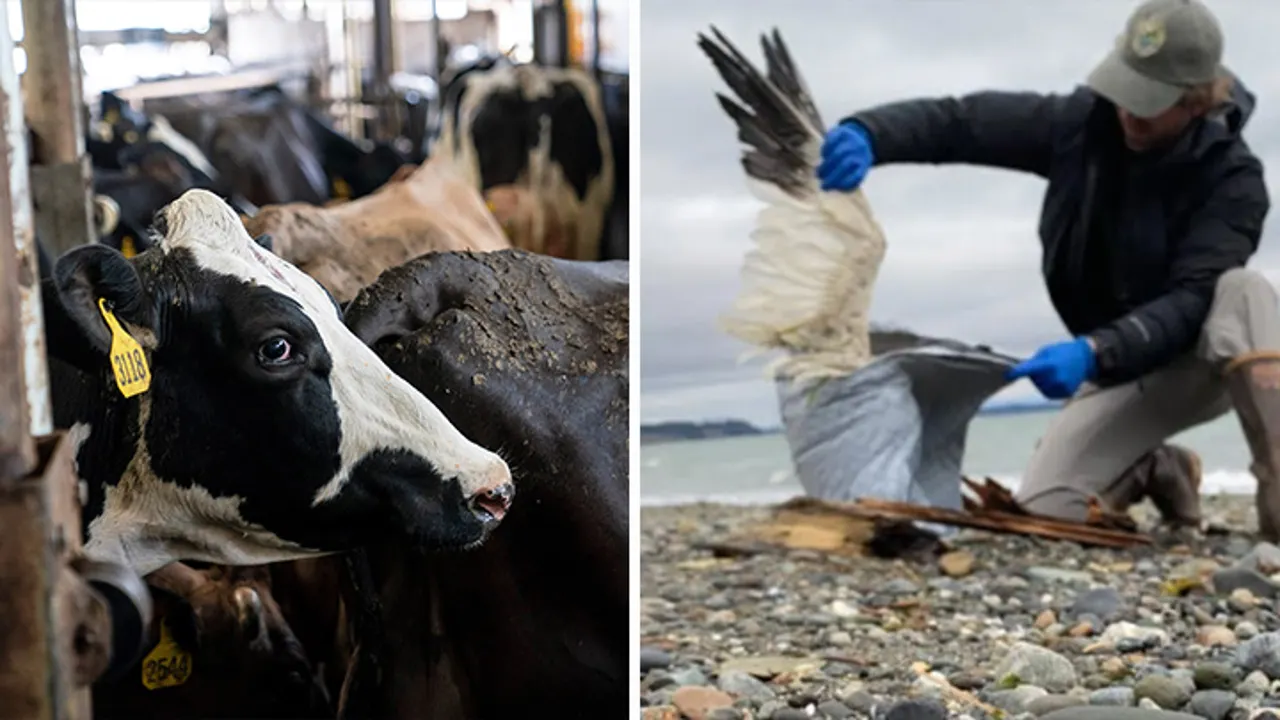
The first US bird flu death of 2026 has landed in Yakima County, where dozens of dairy herds are now infected and three people have fallen ill in just a few weeks.
YAKIMA
A resident of Washington State has died of bird flu after catching the virus from infected dairy cows, in the first American death from the disease this year and the third since the H5N1 virus began tearing through US cattle in 2024.
The person, who has not been publicly identified and had underlying health conditions, was reported by the Yakima Health District (YHD) as being severely ill in hospital on 31 October. They died on 1 November. Reports describe the victim as a dairy farm worker. It is the kind of headline public health officials have dreaded since the virus first jumped into cattle, and it comes as the outbreak in Central Washington is moving at startling speed.
"Avian influenza can cause severe illness, particularly among people who have underlying health conditions," said Dr Dave Atteberry, health officer for the Yakima Health District. "While this is a serious and heartbreaking outcome, the risk to the general public remains low."
Three cases in three weeks
The death is not an isolated event. Yakima County has now confirmed three human H5N1 cases, all since mid-October, and all linked to exposure to infected dairy cattle. Alongside the fatal case, the district has confirmed two further infections, including a resident exposed to infected cows at a Yakima County dairy who has mild symptoms and has not been in hospital. Contacts of the person who died are being monitored for symptoms, as are people linked to the affected dairies.
The speed of the outbreak is what has experts uneasy. Washington confirmed its first detections of highly pathogenic H5N1 in cattle only on 8 October, at two dairies in Yakima County. By 26 October the virus had been found at a dairy in neighbouring Benton County. The YHD dashboard, updated on 1 November, listed 33 infected herds in Yakima County through 29 October, while the state Department of Agriculture's tracker showed 39 infected Yakima County herds and one in Benton County through 30 October. One report put the number of infected Central Washington herds at 40 in the past month alone.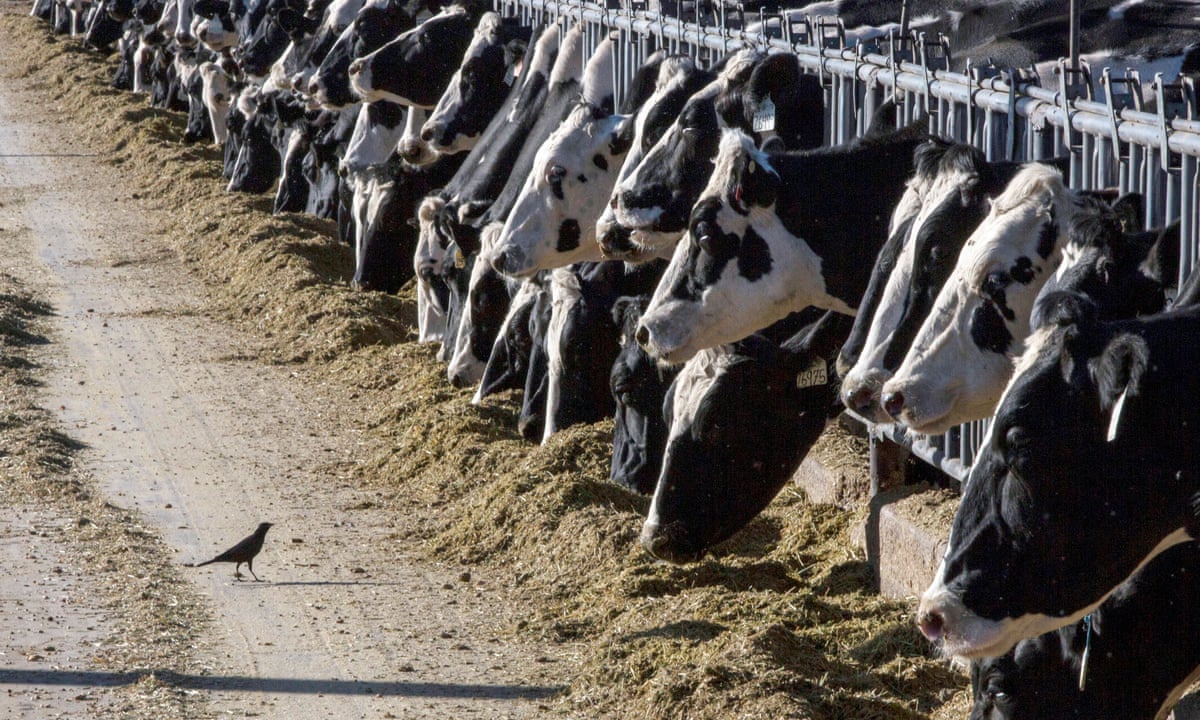
What the genetics show
There is one piece of reassuring news. Sequencing of the virus from two Yakima County farms by the Washington State Department of Agriculture (WSDA) matched the cow-adapted strain that has been circulating in American dairy herds since 2024. WSDA found no evidence that the virus has adapted to spread more easily between mammals or people, and no human-to-human transmission has been documented in the United States.
That matters enormously. The nightmare scenario for flu scientists is a bird flu virus that picks up mutations allowing it to pass easily from person to person. So far, there is no sign that has happened. But every new infection in a human body gives the virus another roll of the dice, which is why surveillance is so closely watched.
A tally that keeps growing
The US Centers for Disease Control and Prevention's most recent summary, posted on 15 October, counted 72 confirmed human H5 cases and two deaths since 2024. About 42 of those cases were linked to commercial dairy cattle operations. The Yakima death brings the national death toll to three.
Globally, H5N1 has been associated with roughly 1,000 deaths since it was first identified in humans in Hong Kong in 1996, and WHO data cited by one analysis show a case fatality rate of around 48 per cent, though most US cases in the cattle outbreak have been mild. Many of the American cases have been mild, which is one reason a death is so notable. It also underlines why officials stress that people with underlying health conditions are most at risk of severe illness, and why every farm worker with symptoms should be tested promptly rather than waiting to see if they improve.
The previous Washington fatality came in November 2025, when a Grays Harbor County resident died from H5N5 infection, the first human case of that strain ever recorded worldwide. That patient was an older adult with underlying conditions who kept a backyard flock. No transmission to other people was identified.
Birds, cows, mink, and more
The bigger picture is that bird flu has not gone away. In the Pacific Northwest, an Oregon flock of 94,200 egg-laying hens was preventively culled this week, pushing Oregon's total of domestic birds lost to the virus past one million. On 28 October, an outbreak at a commercial egg facility in Stanislaus County, California, hit 1.3 million birds. Canada has reported 27 outbreaks since mid-September, and Mexico reported a large outbreak on a Yucatán farm with 225,860 laying hens.
The virus has also turned up in unexpected animals. In August, the US Department of Agriculture's animal health agency detected H5N1 on a mink fur farm in Salt Lake County, Utah, the first such detection on a US fur farm. Animal welfare campaigners warn that mink farms are a documented risk for viral spillover, and are pressing Congress about the Farm Bill during the lame-duck session that opened on 9 November.
Farm animals are not the only concern. In September, Science magazine reported that the Australian Antarctic Division planned to evacuate its Macquarie Island station over fears H5N1 could kill thousands of southern elephant seal pups, although the agency rated the human health risk as low.
The raw milk question
Health officials in Washington have been blunt about one particular risk: unpasteurised milk. Health authorities are advising people not to drink or eat unpasteurised milk or dairy products made from cow or goat milk. The American Academy of Pediatrics renewed on 5 October its annual call, made since 2014, for legislators to ban sales of raw milk and raw dairy products, warning of serious illness especially in children, pregnant people and those with weakened immune systems.
The AAP says unpasteurised milk from infected cows can harbour the virus for up to five weeks in the fridge, whereas pasteurisation kills it. Raw milk sales are legal in 30 of the 50 US states, and critics point out that Health Secretary Robert F. Kennedy Jr. has promoted it. Some local reports have also highlighted that Washington still licenses raw milk for sale even as two health departments warn against drinking it.
The workers on the front line
Perhaps the most important question is who is actually getting sick. Almost all of the human cases in the cattle outbreak have been farm workers. Officials recommend respiratory and eye protection as well as gloves for anyone handling potentially infected animals, and say people should avoid contact with sick or dead animals.
But protecting workers is easier said than done. Infectious disease specialist Dr Saskia Popescu warned in an August analysis of gaps in surveillance, worker protection and pandemic preparedness. She pointed to the difficulty of reaching farmworkers, who may fear engaging with outside officials, and cuts to federal response agencies. If workers are reluctant to be tested, cases can go undetected until someone is seriously ill.
Across the US, cattle in 19 states have been affected, with more than 1,000 confirmed herd detections according to one recent analysis.
Expert perspective: a virus waiting to evolve?
Public health officials remain consistent: the risk to the general public is low. But some commentators are uneasy about complacency. H5N1 has circulated for almost 30 years without becoming easily transmissible between people, but virologists caution that it only has to get lucky once. Every herd infected and every human exposure is another opportunity for mutation.
That is why the genetic sequencing from Washington matters, and why officials are monitoring for any change. For now, the evidence points to a virus that is dangerous to those in close contact with infected animals, particularly those with other health conditions, but that is not spreading in the community.
What this means for you
If you do not work with livestock or poultry, your personal risk remains low, according to health officials. A few sensible habits apply all the same. Choose pasteurised milk and dairy products, and steer clear of raw milk and raw-milk cheeses, particularly if you are pregnant, elderly, immunocompromised or feeding young children. Do not touch sick or dead wild birds or other animals, and keep pets away from them.
If you work on a dairy or poultry farm, wear gloves, a respirator-type mask and eye protection when handling animals that may be infected. Report any fever, cough, red or sore eyes, or breathing difficulties promptly to your doctor or local health department, and tell them about your animal exposure. Early treatment with antiviral medication can help, and reporting illness helps officials spot trouble early.
Seasonal flu shots do not protect against H5N1, but they remain worthwhile, as they reduce the chances of a person being infected with two flu viruses at once, a situation scientists want to avoid.
What happens next
Over the coming weeks, watch for three things: whether the number of infected herds in Washington continues to climb, whether any further human cases emerge among farm workers, and whether genetic testing reveals any signs the virus is adapting to mammals. With migratory birds on the move for the autumn and winter, the pressure on farms across North America is unlikely to ease soon.
For the family of the person who died, none of the statistics will matter. For everybody else, the Yakima death is a sombre reminder that the bird flu story of the past two years is far from over, and that the people who produce our milk and eggs are at the sharp end of it.