Written By | International News Agencies
As the 26th Knesset is sworn in, the former army chief has 28 days to assemble a coalition from a hung parliament, and the arithmetic runs through parties he has vowed not to work with.
Introduction
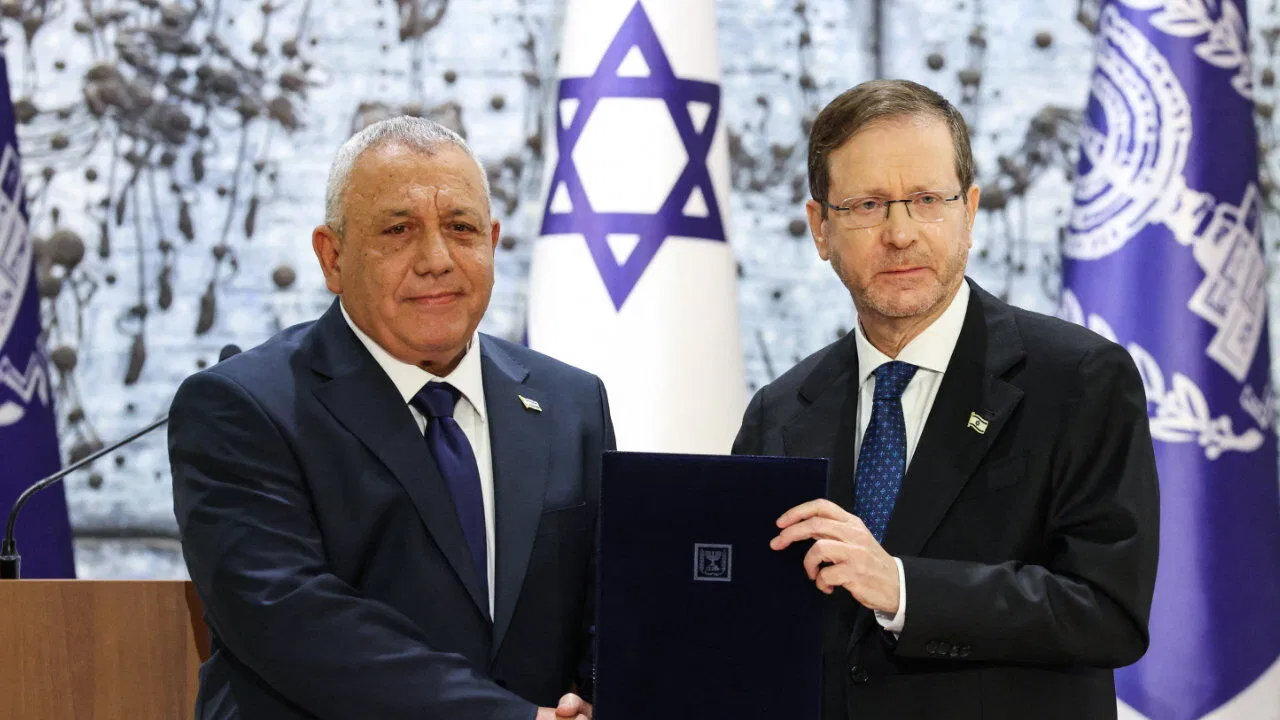
Israel's political calendar converged on Tuesday, November 10, when the 26th Knesset was sworn in with 46 first-time lawmakers among its 120 members. The ceremony came three days after President Isaac Herzog broke with the pattern of recent decades and declined to give Prime Minister Benjamin Netanyahu the first chance to form a government. Instead, Herzog told Gadi Eisenkot, the former chief of staff of the Israeli military who now leads the Yashar party, that he would receive the mandate, with a formal handover ceremony following on Sunday, November 8, according to Al Jazeera and the Jerusalem Post.
The decision settled a question of procedure but not of power. The October 27 election produced a parliament in which neither the pro-Netanyahu bloc nor the opposition coalition assembled by Eisenkot commands the 61 seats needed for a majority. Eisenkot now holds the legal authority to try to build a government, but he lacks an obvious route to the numbers, and his chief rival has already begun framing the contest in existential terms. What follows is a four-week test of whether Israel's fractured opposition can turn a symbolic victory into a working majority, or whether the country drifts toward a second election in a year of war, regional crisis and strained relations with Washington.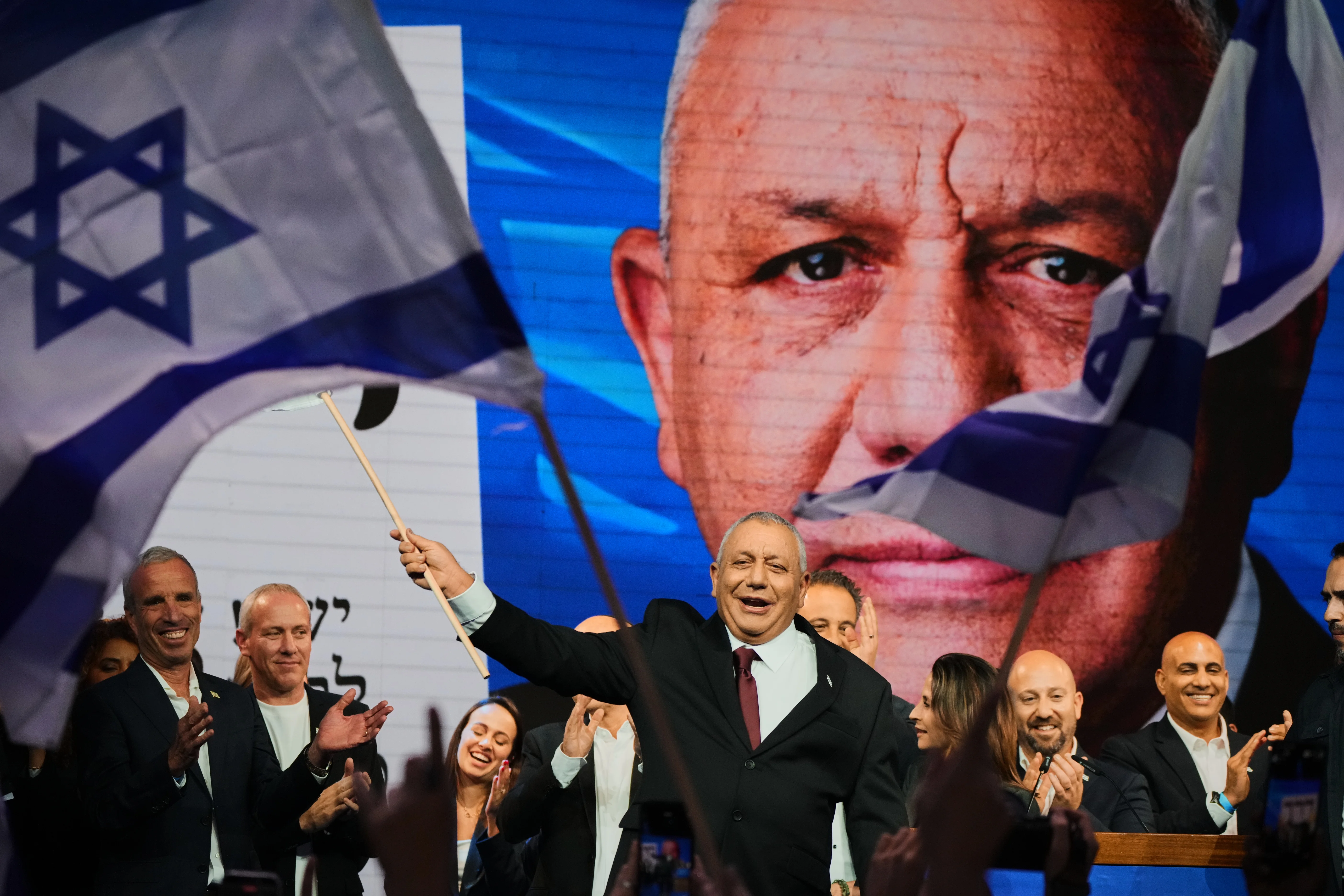
The Election and the Arithmetic
According to the figures reported by Al Jazeera and the Jerusalem Post, Eisenkot's four-party alliance won 48 seats, Netanyahu's bloc won 53, and Arab-led parties won a record 19 between them. Likud remains the largest single party with 27 seats. The alliance behind Eisenkot, as described in Israeli coverage, includes Yashar, the Democrats, Naftali Bennett's B'Yachad and Avigdor Liberman's Yisrael Beytenu, with Yesh Atid of Yair Lapid also part of the anti-Netanyahu bloc in the Knesset leadership talks. The Arab-led parties are Ra'am and the Joint List, the latter holding 11 seats according to its leader Ahmad Tibi.
The numbers explain why the outcome was labelled inconclusive. Netanyahu's 53 seats fall eight short of a majority. Eisenkot's 48 fall thirteen short. The Arab-led parties sit outside both camps and, in the arithmetic of a normal coalition, would be the obvious missing piece for the opposition. But Eisenkot has publicly ruled out forming a government with them. Al Jazeera calculates that if he could win over both United Torah Judaism and Shas, the two ultra-Orthodox parties, he would arrive at exactly 61. He could also govern with fewer if he wins a confidence vote in which Arab lawmakers abstain or support him from outside the coalition, which is the scenario Tibi himself described as likely: a minority government with outside backing.
Different outlets have framed the headline counts slightly differently, and because some figures in early reporting were preliminary, readers should treat the party-by-party breakdowns as those reported by the cited outlets rather than as an official tally.
Why Herzog Chose Eisenkot
Under Israeli law, the president consults every party that wins seats and then nominates the lawmaker with the best chance of forming a government. In practice, the contest is decided by recommendations. Eisenkot received 67 recommendations to Netanyahu's 46. The gap is larger than the seat counts alone would suggest because the Arab-led parties, Ra'am and the Joint List, recommended Eisenkot, even though their recommendation does not commit them to joining or supporting any coalition. United Torah Judaism declined to endorse either candidate.
Al Jazeera's analyst Nour Odeh described Herzog as having taken the predictable route, since Eisenkot had the most recommendations. That reading captures an important point about the president's constraints: Herzog is expected to follow the numbers placed in front of him, and the 67 figure left him little room to justify any other choice. Yet it also exposes the fragility of Eisenkot's position. A portion of that 67 consists of parties that are willing to help remove Netanyahu but are not willing to be seen in government with the people Eisenkot has said he will govern alongside, and vice versa.
Eisenkot brings an unusual résumé to the task. He led the military from 2015 to 2019 and later sat as an observer in Netanyahu's war cabinet during the first eight months of the Gaza war. That history gives him credibility on security, which is the issue Netanyahu's camp has long treated as its own, and it is central to his pitch to voters and potential partners who want a change of leadership without a lurch to the left.
Eisenkot's Plan: A National Emergency Government
Speaking after Herzog's decision, Eisenkot called for what he termed a national emergency government and said that creative and unconventional political steps would be required. The Jerusalem Post reported that he has laid out four principles as conditions for joining his coalition, though the published accounts did not list them in detail, and the phrase unconventional steps was not defined. He framed the country as being in a state of emergency and approaching a point of no return, and he challenged Likud and the Religious Zionist Party to join him, pointing to their own stated calls for national unity in their meetings with the president.
The invitation is partly strategic. If Likud or the Religious Zionist Party refuse, Eisenkot can argue that they, rather than he, are responsible for blocking a unity arrangement. If any faction accepts, the arithmetic changes quickly. A related report suggested that Netanyahu in turn urged the opposition to join a unified government, but the details of that offer were not available in the sources reviewed here, so it is not possible to say how far apart the two proposals are in practice.
Meanwhile, the bloc has moved fast on the machinery of the new Knesset. According to the Times of Israel, the anti-Netanyahu bloc agreed to nominate Yashar's Matan Kahana as speaker, replacing Likud's Amir Ohana. Bennett and Liberman had first backed Lapid for the post, but Eisenkot insisted that the speakership stay with his own party, and he and Liberman reportedly settled the matter on November 9. Liberman is slated to chair the Foreign Affairs and Defense Committee, and B'Yachad's Liran Avisar Ben Horin is slated to chair the Finance Committee, which would make her the first woman in that role. Committee assignments are due to go to the Knesset for approval on Wednesday, November 11.
Netanyahu's Response and the Arab Parties Question
Netanyahu responded with a prerecorded video in which he warned that a government dependent on Arab-led parties would harm Israel and, in his words as reported by Al Jazeera, would dismantle the state of Israel from within. The message is a familiar one from his campaigns and is clearly aimed at the ultra-Orthodox and right-wing parties whose votes Eisenkot needs. It is designed to make cooperation with the opposition politically costly for them.
The Arab parties' position is more nuanced than the rhetoric suggests. Tibi called Herzog's decision expected and said he anticipates a minority Eisenkot government with outside support from the Arab parties, adding that ousting Netanyahu and far-right ministers Itamar Ben-Gvir and Bezalel Smotrich is the priority. Na'ama Lazimi of the Democrats said Ra'am has a place in the coalition the bloc is trying to build, while Otzma Yehudit's Amichay Eliyahu rejected that idea outright, and Yair Golan has called for a coalition with the Arab parties. These statements sit uneasily with Eisenkot's own refusal to govern with them. The distinction he appears to be drawing, between formal coalition membership and external parliamentary support, is one Israeli politics has used before, but it is delicate and invites attack from both flanks.
On the right, the opposition push to replace Ohana as speaker has met resistance. Ohana has said he would schedule a vote within a week if a majority of lawmakers formally requested it, but United Torah Judaism said it will not vote to replace the speaker. That early signal matters, because the ultra-Orthodox parties are the group Eisenkot most needs to move, and their first public vote-related stance has been against him.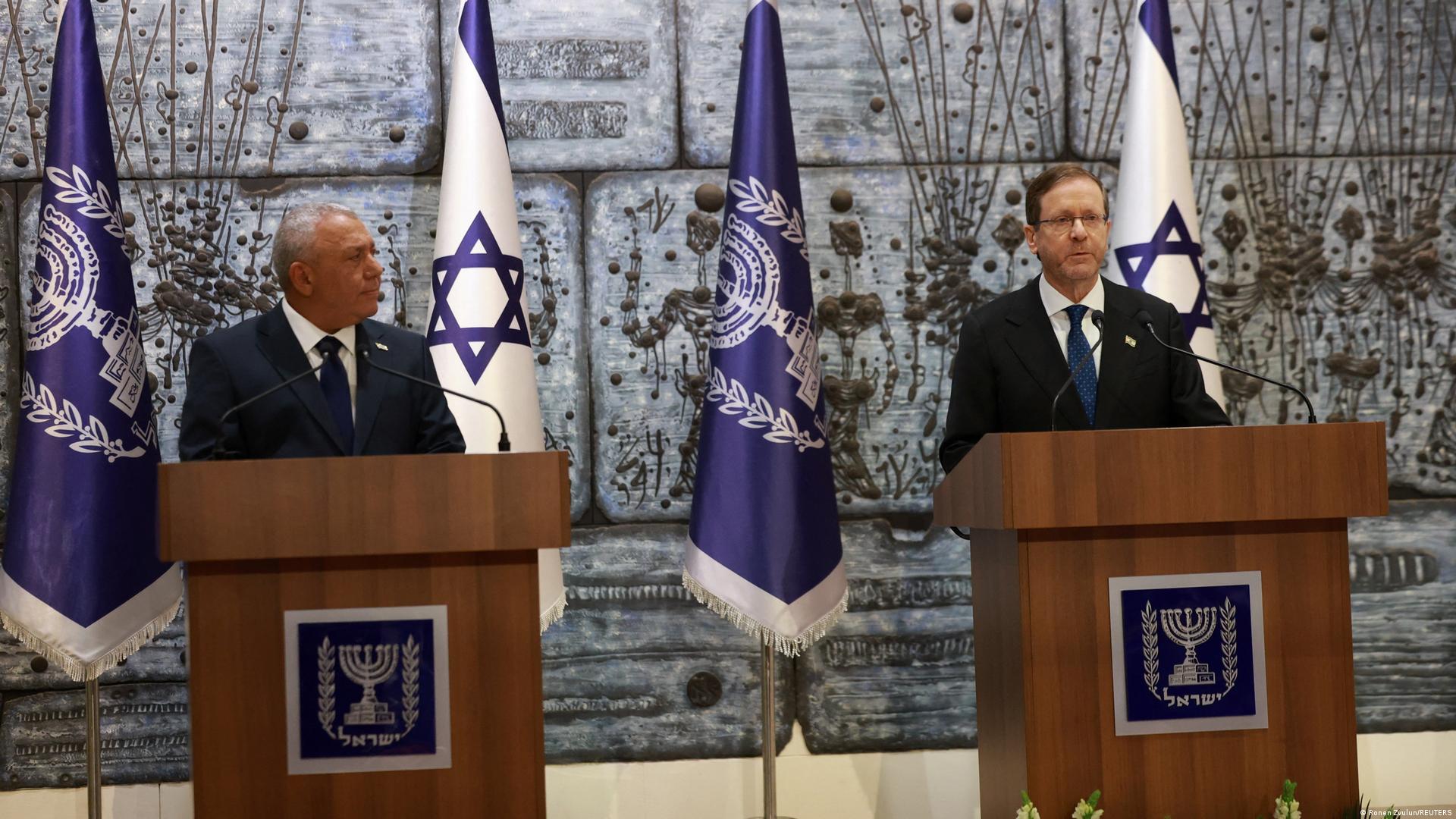
The Clock and the Constitutional Path
Eisenkot has 28 days to form a government, with a possible extension of up to 14 days. If he fails, Herzog must decide within three days whether to give the task to another lawmaker, who would receive 28 days with no extension. If that attempt also fails, 61 members can jointly request that a specific lawmaker be tasked, within 21 days, and that person would have 14 days. If every attempt fails, the Knesset dissolves and a new election is held within 90 days, with Netanyahu continuing as caretaker prime minister until a government takes office.
That final provision gives Netanyahu a strong incentive to run out the clock, and it shapes the behavior of every actor. A caretaker Netanyahu retains most of the powers of office while facing a possible third trip to the polls in a short period, whereas the opposition risks fracturing under the pressure of delay. Meanwhile, the cabinet is continuing to operate. Likud says Foreign Minister Gideon Sa'ar will also serve as interior minister, a post vacant since Shas's Moshe Arbel resigned in July 2025, with a cabinet vote scheduled for November 11. The move shows the outgoing government intends to keep governing and appointing while coalition talks proceed.
Implications and What to Watch
The immediate question is whether Eisenkot can peel off the ultra-Orthodox parties. Their grievances, including the military draft and state funding, are not easily reconciled with a coalition led by secular and centrist parties such as Liberman's, and Netanyahu's camp can offer them more. If Shas and United Torah Judaism stay put, the alternative is the minority arrangement Tibi described, which would rest on Arab parties that Eisenkot has refused to bring formally into government. Either path requires a concession from someone who has publicly said they will not make it.
Beyond coalition math, the stakes extend to foreign and security policy. Eisenkot's government would inherit the aftermath of the Gaza war, the regional confrontation with Iran, and a relationship with Washington that has recently been unsettled, including President Trump's claim, reported in earlier coverage, that US military aid to Israel would end at year's end. A new prime minister would reshape how Israel responds to each of these. For now, the best guide is the four-week calendar: the committee votes this week, the contest over the speakership, and the first signs of movement among the ultra-Orthodox factions will show whether the mandate Herzog granted is a path to power or merely a procedural step on the way to another election.