Written By | Business Experts
The central bank paused after October's emergency 225-basis-point hike, but raised its inflation outlook, cut its growth forecast and tightened reserve rules
BUSINESS AND ECONOMY
The Bank of Uganda (BoU) on Monday, November 9, held its Central Bank Rate (CBR) at 12 percent, opting to let October's sharp emergency increase work its way through the economy rather than squeeze borrowers further. But the accompanying Monetary Policy report made clear the central bank is far from relaxed: it raised its inflation forecast, trimmed its growth projections and lifted the cash reserve requirement for commercial banks to 13.5 percent.
Governor Michael Atingi-Ego described the tightening as temporary and meant to secure medium-term stability, according to The Observer. The decision came after the business community publicly pleaded with the bank not to raise rates again, and as the Uganda shilling begins to recover from its steepest slide in years.
From 9.75% to 12% in a month
The hold follows one of the most aggressive moves in the bank's recent history. At a special meeting on October 14, BoU raised the CBR by 225 basis points, from 9.75 percent to 12 percent. According to the Daily Monitor, it was the first change since October 2024, the largest single increase since October 2011, and took the policy rate to its highest level since December 2016. The bank cited a sharp deterioration in conditions since August: escalating conflict in the Middle East, higher oil prices and intense pressure on the shilling.
The bank says the effect of that hike has not yet fully passed through to the economy, which is the main reason it chose to pause rather than tighten again in November.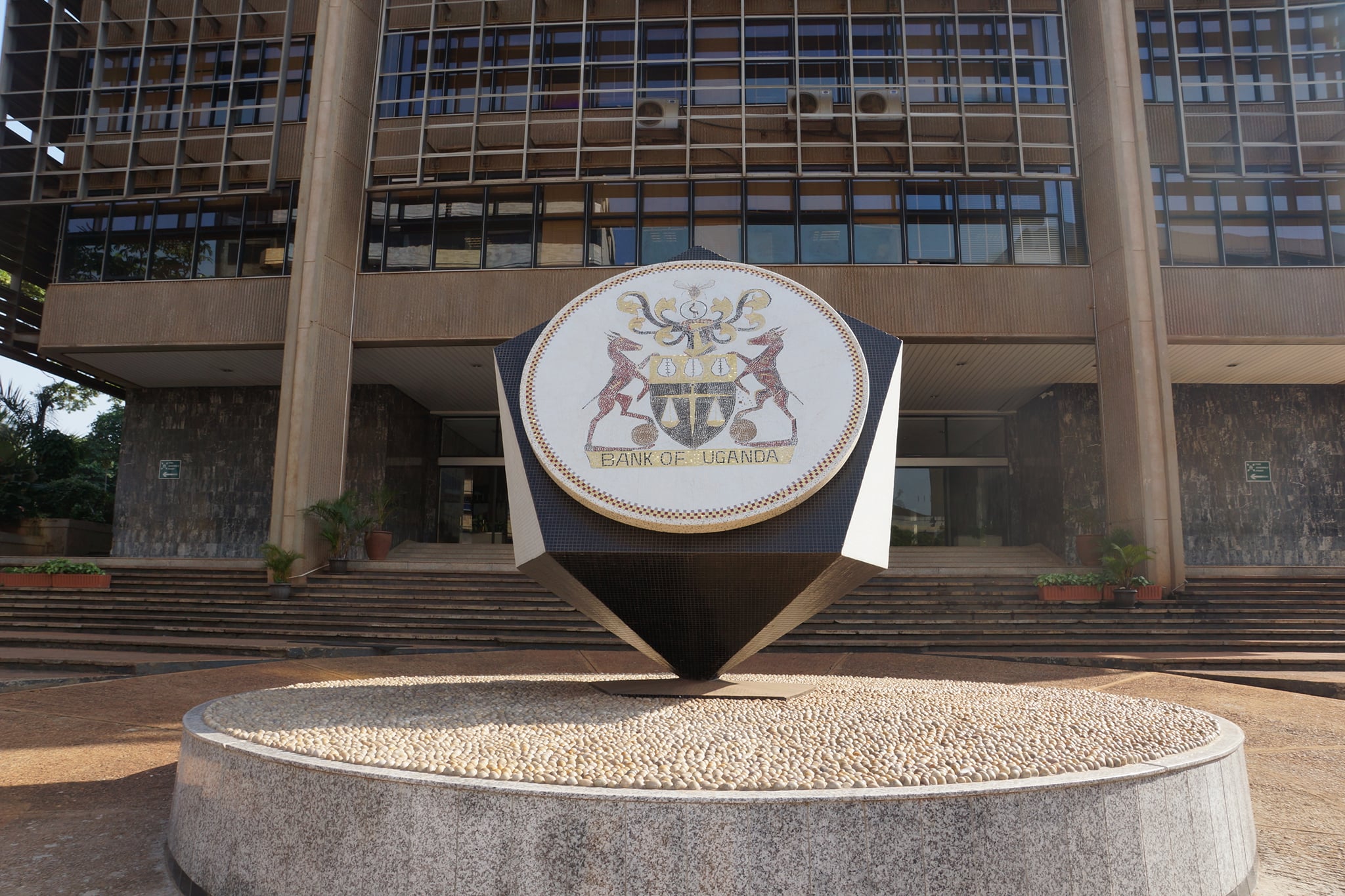
Inflation is climbing
Headline inflation has risen steadily: 4.1 percent in August, 4.6 percent in September and 5.8 percent in October, its highest level in more than three years and above the bank's 5 percent medium-term target. Food inflation reached 7.6 percent in October.
In its November report, BoU raised its forecast for average headline inflation over the next 12 months to between 7.5 and 8 percent, up from the 7 to 7.5 percent it projected in October. The bank pointed to shilling depreciation, higher fuel, freight and debt-interest costs, delayed oil production, drought and tighter financial conditions. It flagged further risks from deeper depreciation, El Niño weather patterns and renewed tension in the Middle East.
The shilling under pressure
The currency has been at the centre of the story. The shilling averaged 4,170 per US dollar in October, according to The Observer's summary of the BoU report, 20.4 percent weaker than a year earlier and 7.8 percent weaker than in September. The Daily Monitor reported that it plunged above Shs4,500 per dollar in late October before recovering to around Shs4,040 to Shs4,050, helped by improved dollar supply and a globally weaker US dollar after the US midterm elections.
The pressure built over months. In March the shilling traded near Shs3,604 per dollar; by early October it had crossed Shs4,000, Pulse Uganda reported, as fuel importers bought more dollars amid Middle East supply concerns, traders front-loaded imports, foreign investors sold local bonds and coffee export earnings weakened. Brent crude settled above $100 a barrel in early October, and pump prices in parts of Kampala approached Shs7,000 per litre. Defence Minister Kiryowa Kiwanuka urged voluntary austerity in Parliament, telling Ugandans that 'we do not have any product of our own' and encouraging people to avoid unnecessary journeys.
Oil has since eased below $95 a barrel, the Monitor reported, on hopes of an end to the Iran war. But the external position remains stretched. The current account deficit widened to $4.9 billion in the 12 months to September, from $3.5 billion, while reserves stand at about $7 billion, or 3.9 months of import cover. The shilling is also about 9.9 percent weaker than the 3,796 per dollar assumed in the 2026/27 national budget, which reduces the real value of government spending plans.
Growth forecasts cut again
BoU estimates the economy grew 5.3 percent in the quarter to September, down from 6.8 percent in the quarter to June. It cut its 2026/27 growth forecast to between 5.5 and 6 percent, from 6 to 6.5 percent in October, which itself had been reduced from 7 to 7.5 percent. The bank still projects average growth of around 8 percent over the medium term, a target closely tied to the start of oil production and the government's ambition of a $500 billion economy.
Borrowers feel the squeeze
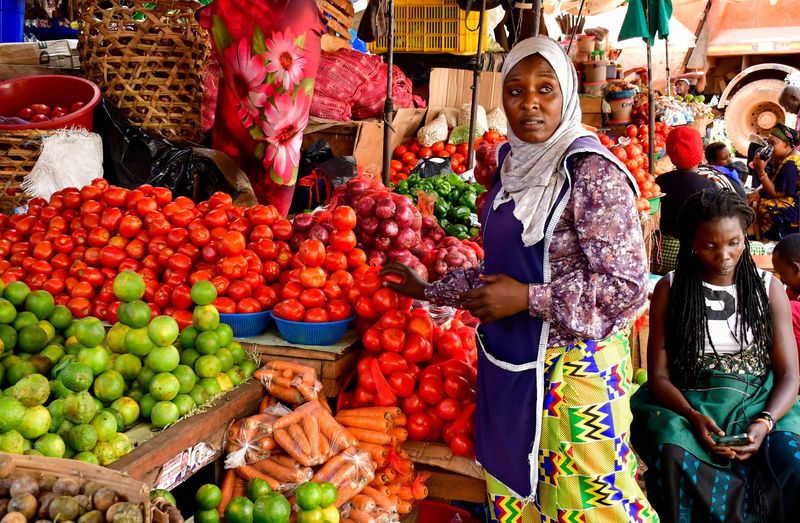
Commercial banks have moved quickly to pass on the higher policy rate. Absa raised its shilling prime lending rate from 19.5 to 21.75 percent effective November 1, the Monitor reported, while DFCU moved from 20 to 22 percent effective December 1 and Stanbic announced a similar increase. Lending rates at major banks are now above 21 percent. Shilling loans averaged 17.5 percent interest in the three months to September, against 7.7 percent for dollar loans, though the BoU notes that depreciation increases repayment burdens on dollar borrowers and raises the risk of non-performing loans.
Ahead of the decision, manufacturers warned they were already feeling the strain. 'We'd rather BoU holds the rate tomorrow,' said Aga Sekalala Jr, chairman of the Uganda Manufacturers Association, explaining that higher prime rates had raised loan repayments, tightened cash flow and led some firms to put borrowing plans on hold. Makerere University Business School economist Dr Fred Muhumuza had predicted a hold, saying the economy had little capacity to absorb another shock. Stephen Kaboyo of Alpha Capital Partners had expected a further hike to anchor inflation expectations, noting that the shilling remained exposed to energy prices, US interest rates and dollar strength.
Why it matters and what to watch
The November decision is a balancing act. Holding the rate gives businesses and households some breathing room after an abrupt jump in borrowing costs, while the higher reserve requirement and the bank's hawkish inflation outlook signal that it is prepared to act again if the shilling weakens or prices accelerate. For ordinary Ugandans, the effects are visible in fuel prices, the cost of imported goods such as medicines and spare parts, and more expensive loans.
Key indicators to watch in the coming weeks include the November inflation figures, the shilling's direction against the dollar, global oil prices and developments in the Middle East, and how quickly other commercial banks adjust their lending rates. The timeline for first oil, which the bank explicitly listed as a factor in its weaker outlook, will also shape expectations for growth and the currency in 2027. If inflation keeps rising toward the bank's new forecast range, pressure for further tightening is likely to return at the next policy meeting.