Written By | International News Agencies
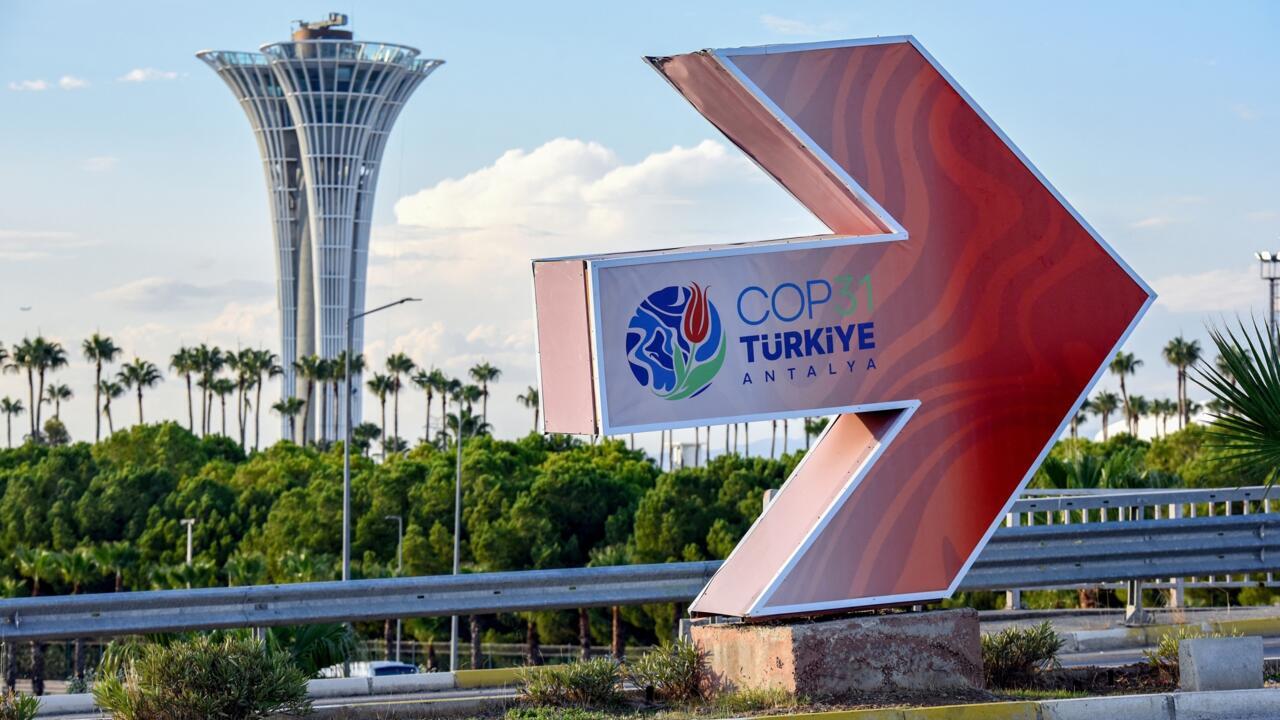
The thirty-first United Nations climate conference, COP31, opens today, November 9, in Antalya, Türkiye, and runs through November 20.
World Politics
Overview
The thirty-first United Nations climate conference, COP31, opens today, November 9, in Antalya, Türkiye, and runs through November 20. It is the first COP to be run under an unusual split arrangement: Türkiye is the host and leads the voluntary Action Agenda, while Australia, represented by Climate Change and Energy Minister Chris Bowen, serves as President of Negotiations and chairs the formal talks for the first time. A leaders' segment is planned for November 11 and 12.
Organizers have billed the meeting as an implementation COP. Few new binding obligations are expected. Instead, the presidencies are steering delegates toward voluntary pledges, chief among them a proposed goal to raise electricity's share of final energy use from about 20 percent today to 35 percent by 2035, known as the 35 by 35 pledge. The setting is a world shaken by an energy shock tied to the Middle East war, which has sharpened both the case for electrification and the political difficulty of agreeing on a fossil fuel phase-out.
Background: A Hard Act to Follow
COP31 follows COP30 in Belém, Brazil, which ended without a negotiated process for moving away from fossil fuels, an omission that frustrated many governments. Brazil's presidency responded by preparing a voluntary roadmap for the transition, which is expected to be released and which commentators say addresses the gap in the Belém decision text. About 60 nations held a separate meeting outside the UN process to demand faster action, and it is unclear how COP31 will accommodate them.
The path to Antalya was also unusual in organizational terms. Türkiye and Australia competed for the right to host, and the compromise gave Türkiye the hosting role and Murat Kurum, the COP31 President-Designate, leadership of the Action Agenda, while Australia took the negotiating presidency. Pre-COP meetings were held in Fiji and Tuvalu in early October, drawing more than 4,000 participants and producing the Taku Pakasoa Declaration, which urges outstanding parties to submit their 2035 national climate plans and stresses the 1.5 degree goal, finance, resilience and ocean protection. A climate finance summit took place in Istanbul on September 4 and 5, and the Intergovernmental Panel on Climate Change's 65th session in Addis Ababa in October was reported as suspended.
The Agenda: Finance, Adaptation and Electrification
Finance is the dominant issue. One legal-industry analysis cites annual needs of 7.5 to 9 trillion US dollars against about 1.9 trillion dollars mobilised. The Baku goal set a developed-country floor of 300 billion dollars a year by 2035, and delegates will look at how to scale transition finance and implement the Paris Agreement's Article 2.1(c) on aligning financial flows with climate goals. A new initiative called BRIDGE, with UNDP as delivery partner, is described as a regulatory and technical platform rather than a new fund. Talks will also cover the first funding requests under the Fund for Responding to Loss and Damage. Kurum has called closing the climate finance chasm a key priority, and Türkiye is positioning itself as a bridge between developed and developing countries.
Scrutiny of rich-country aid will be sharpened by the recent glacier-related flooding in Nepal, whose appeal has revived calls for historic polluters to contribute more. Adaptation is another fault line. The Belém Adaptation Indicators still lack an agreed methodology, the technical taskforce has not been settled, and items under the Global Goal on Adaptation were deferred to Antalya.
On mitigation, parties disagree over whether the Mitigation Work Programme should end in 2030. The electrification pledge is the flagship alternative: supporters argue it cuts emissions and reduces dependence on costly imported fossil fuels, a concern heightened by the war-driven energy shock. Critics note that roughly a third of global electricity still comes from coal and that the target does not specify how the additional power would be generated. Other proposals include an Antalya Ocean Declaration on nature-based solutions, as well as parallel non-binding initiatives on methane, waste, urban resilience and artificial intelligence.
Technical items also matter. Carbon market arrangements under Article 6.2 show strong demand, with 48 cooperative arrangements and 67 governments using the registry, but the supporting budget is short: only about 2.1 million dollars of 10.7 million in approved expenditure had been secured by June. A Just Transition Mechanism created at COP30 still needs its design. And the second Global Stocktake opens at COP31, complicated by an unresolved timeline for the IPCC's Seventh Assessment.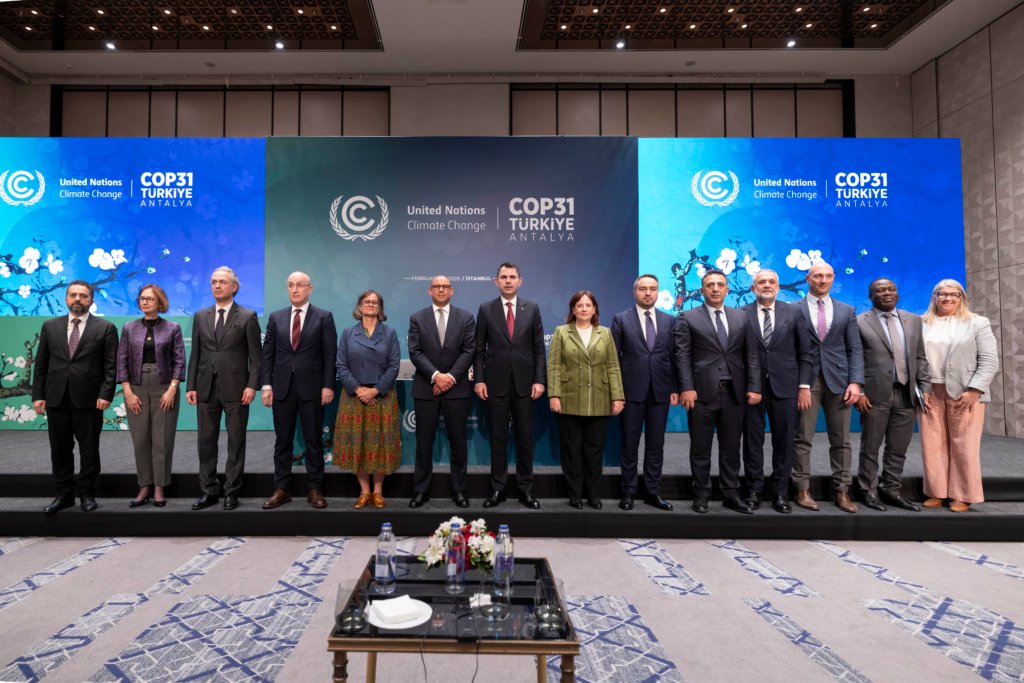
Key Players and Positions
Bowen and Kurum have promised predictability and no last-minute surprises, a deliberate contrast with the late-night drama of some previous summits. Brazil's role as former president and author of the fossil fuel roadmap will make it a central voice, and small island states, represented through the Fiji and Tuvalu pre-COP, will press on ambition and finance. The sources reviewed did not describe the position of the United States, a notable gap given its influence on finance and its recent shifts in climate policy, so no claim is made here about Washington's delegation.
The question of the next host also hangs over the process. COP33 in 2028 is meant to hold a global stocktake of progress under the Paris Agreement but has no host yet after India withdrew its candidacy; China is reportedly considering a bid.
The Stakes and Expectations
Analysts quoted in the pre-conference coverage are blunt about the science. The world is likely to pass 1.5 degrees Celsius within a few years, and even the most optimistic pathways peak around 1.8 degrees. The presidencies are urging that any overshoot be kept as small and brief as possible, and are pursuing a decision text that touches on 1.5 degrees, electrification, finance, early warning systems, forests and oceans. UNEP analyses stress that rapid decarbonization of the power sector is essential to return to safer temperature pathways.
Expectations are therefore modest on formal outcomes and higher on voluntary coalitions. The formal agenda is described as light on major items and heavy on technical carry-overs, while the headline outcomes may be the electrification pledge, the BRIDGE platform and Pacific declarations. That structure carries a risk: voluntary pledges can generate headlines without enforcement, and critics will ask whether an implementation COP can deliver implementation when the underlying finance gaps are measured in trillions.
Politics and What Comes Next
The politics of Antalya are layered. For Türkiye, hosting is a diplomatic opportunity at a time when it is also hosting or brokering other international negotiations, and it is casting itself as a broker between North and South. For Australia, chairing the negotiations is a chance to reset its reputation on climate after years of domestic dispute over coal and gas exports. For developing countries, the test is whether the finance numbers announced translate into disbursements, especially for adaptation and loss and damage. For the energy-importing majority, the war-driven price shock is simultaneously an argument for renewables and a reason for governments to protect fuel supplies.
Watch several markers over the next two weeks. First, whether countries that have not submitted 2035 national plans do so. Second, whether the 35 by 35 pledge attracts large economies or stays a coalition of the willing. Third, whether the Brazilian roadmap is welcomed or resisted by oil and gas producers. Fourth, whether the adaptation indicators and the Just Transition Mechanism are finalized or pushed to COP32. The leaders' segment on November 11 and 12 will provide the first political signals, and the final decision text on November 20, or later if talks overrun, will show whether the Turkish-Australian formula produced something more than a well-organized meeting.