The Bundibugyo outbreak in the DR Congo has become the largest Ebola epidemic the country has ever recorded. With no approved vaccine, a British health worker flown home and the virus popping up in Kenya and Nigeria, the world is racing the clock.
KINSHASA
It began as a cluster of mystery deaths in the forests and mining towns of eastern Congo. Almost six months later, it has become something the country has never faced: the biggest Ebola epidemic in the history of the Democratic Republic of the Congo, a nation that has now battled the virus 17 times.
The numbers, published by the World Health Organization on 6 November, are staggering. As of 3 November, the DRC had recorded 10,668 confirmed cases of Bundibugyo virus disease. Of those, 5,198 people have died, a crude case fatality rate of 48.7 per cent. Another 2,881 have survived. Put simply: roughly one in every two people confirmed with this virus has not made it out alive.
And the story is no longer just Congolese. This week a British health worker who caught the virus in the DRC was flown home to the United Kingdom. A single imported case in Nigeria's capital, Abuja, triggered a medical evacuation to Switzerland. Kenya has counted nine confirmed cases. Four DRC-linked patients have now been evacuated to, or imported into, European Union and European Economic Area countries, according to tracking by independent outbreak analysts.
The WHO is clear that the risk to the wider world remains low. But the people on the front line say the virus is moving faster than the response, and for once, there is no ready-made vaccine sitting in a freezer waiting to be used.

A Timeline of a Slow-Burning Crisis
The DRC officially declared the outbreak on 15 May 2026, marking its 17th Ebola outbreak since the disease was first identified in the country in 1976. Unlike the Zaire strain of the virus that has caused most of the headline-grabbing epidemics, this one is caused by Bundibugyo virus, a rarer relative first identified in Uganda in 2007.
That difference matters enormously. The vaccines and antibody treatments that transformed the fight against Zaire Ebola in recent years were built to target that specific strain. Against Bundibugyo, the WHO confirms, there are currently no approved vaccines and no approved specific treatments.
By 14 August, the WHO had reassessed the risk, rating it very high for the DRC, high for neighbouring countries and low for the rest of Africa and the world. On 24 August it issued updated temporary recommendations to member states. By 23 October, when the previous WHO outbreak update was published, a vaccine trial had finally begun enrolling in the eastern city of Bunia.
In the fortnight since, the situation has darkened. The latest update records 964 new confirmed cases and 511 deaths since that previous report. Over the last 21 days alone, 1,463 new confirmed cases have been logged. The outbreak, in the WHO's own words, has grown into the largest Ebola outbreak ever recorded in the DRC, regardless of which species of the virus is responsible.
The Geography of Fear
The virus has now touched 67 health zones across eight provinces. Of those, 51 still have active transmission, meaning the chains of infection have not been broken in the vast majority of affected areas.
Two provinces carry the heaviest burden. Ituri, in the north-east, has recorded 7,485 cases and 3,532 deaths, the most of any province. Nord-Kivu, long scarred by conflict and displacement, has reported 2,593 cases and 1,422 deaths, with the highest provincial fatality rate in the country at 54.8 per cent. Together they accounted for most of the 1,463 new cases in the last three weeks, with 710 in Ituri and 640 in Nord-Kivu.
Health officials are particularly alarmed by where people are dying. Since 21 October, 512 deaths were reported: 335 of them in the community and 177 in treatment centres. Many of the community deaths involved young children. Every death at home is a potential new source of infection for grieving relatives who wash and bury the body in the traditional way, and a sign that someone slipped through the net of detection.
That net has holes. Contact tracing, the painstaking detective work of finding everyone who has been near a patient, is meant to reach 95 per cent of contacts every day. Right now the daily average is 86 per cent. In Tshopo province it has dropped to just 71 per cent. Nord-Kivu is at 82 per cent and Haut-Uélé at 85 per cent. Even Ituri, the best of the bunch, sits at 91 per cent, still short of the target.
Responders say that gap is where epidemics are won or lost. Every contact who is missed is a person who might fall ill, travel, and carry the virus into a new town.
The Virus Goes Global — Briefly
For readers far from Congo, the more unsettling developments are the ones closer to home. The WHO's update lists a series of cases outside the DRC, and while most have been contained, each one is a reminder of how quickly a hospital bed in Africa can become a flight to Europe.
In Kenya, nine people have been confirmed infected and two have died. Five have recovered. Crucially, there have been no new cases since 19 October, and 118 contacts are still being watched, with the follow-up period expected to finish on 11 November. Kenyan authorities have screened more than 760,000 travellers at points of entry, an eye-watering figure that shows the scale of the precautions being taken. The country is using investigational therapeutics under approved protocols.
In Nigeria, one imported case was confirmed in Abuja on 20 October. That patient was later medically evacuated to Geneva. Sixty-two contacts have been identified, and six had completed their monitoring at the time of the report.
France and Uganda, which both saw cases earlier in the year, have had their outbreaks under control since August.
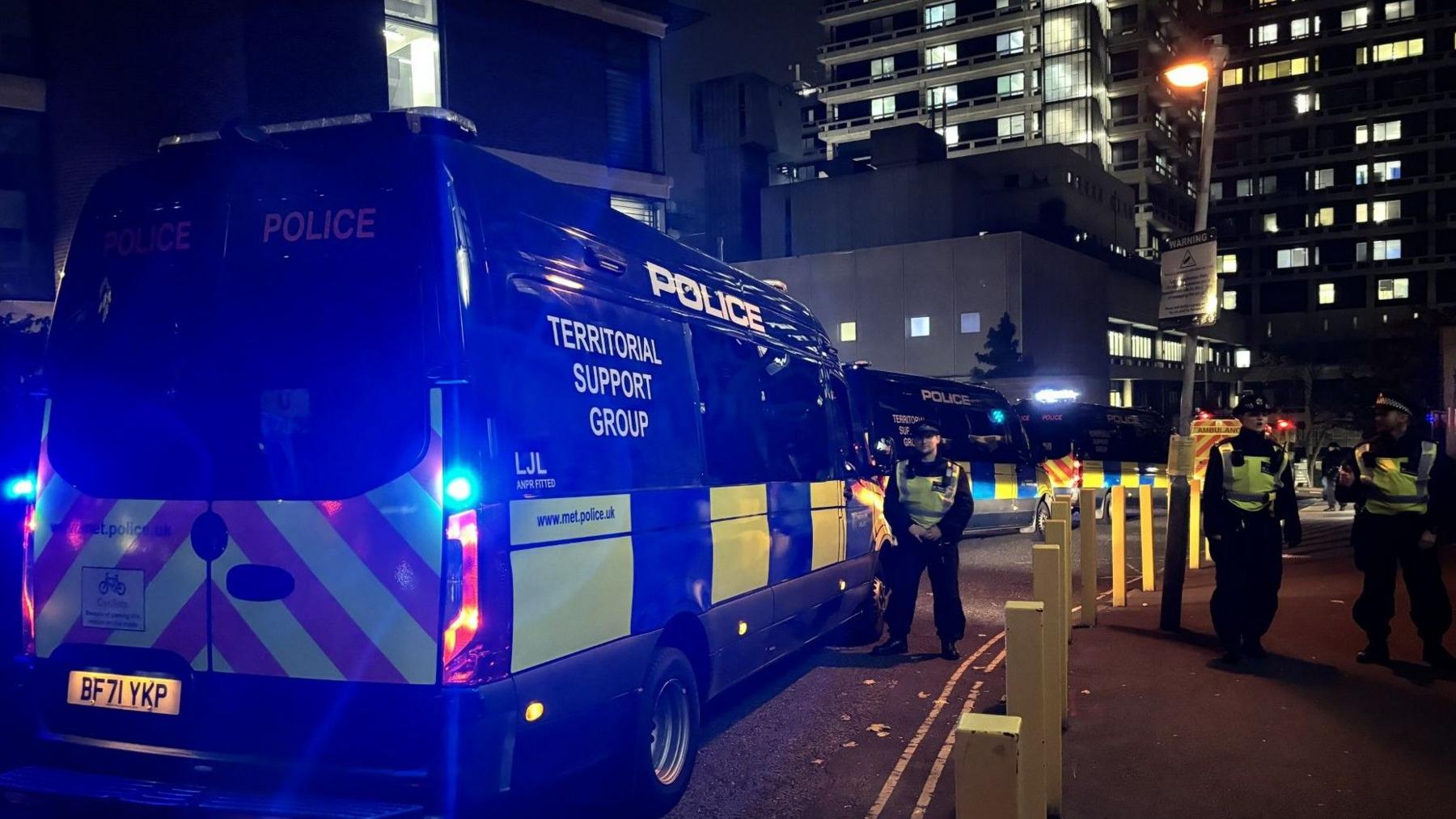
Then came the news that hit British front pages. On 5 November, a UK health worker infected while working in the DRC was evacuated to the United Kingdom, one of two medical evacuations noted by the WHO alongside the Nigerian patient sent to Switzerland. Specialist high-level isolation units exist in the UK precisely for this scenario, and a patient flown in under strict controls poses a very different risk from an uncontrolled traveller. Still, the case has put the outbreak firmly on the domestic agenda.
The WHO's advice on borders is unambiguous and may surprise some readers: it recommends against travel or trade restrictions for the affected countries. Experts have long argued that closing borders pushes people onto unofficial routes, makes honest reporting less likely, and starves affected communities of money and supplies.
The Vaccine Race
If there is a glimmer of hope in this grim picture, it lies in the laboratory. On 4 November the WHO announced that two additional candidate vaccines are being recommended to join the Tumaini trial in the DRC. It is the first time vaccines designed specifically against Bundibugyo virus will be tested during an active outbreak of that virus.
The two candidates are ChAdOx1, developed by the University of Oxford with the Serum Institute of India, and mRNA-1469, from Moderna. The WHO's expert group on vaccine prioritisation recommended both on the basis of preclinical and early clinical data. The companies were notified on Monday, and the vaccines will enter the trial once national approvals are in place.
Tumaini, which means hope in Swahili, is a Phase 2/3 trial led by the DRC's national biomedical research institute, INRB, together with the University of Antwerp, in collaboration with the WHO, Epicentre, Médecins Sans Frontières, the Institute of Tropical Medicine in Antwerp, Africa CDC and the Congolese health ministry. The Coalition for Epidemic Preparedness Innovations, CEPI, funded the rapid vaccine development.
The design borrows from one of the great triumphs of modern outbreak science. Rather than vaccinating whole populations, researchers use ring vaccination: they find a confirmed case, then vaccinate the circle of contacts and contacts of contacts around that person. It is the strategy that, during the West Africa epidemic, proved the efficacy of the Ervebo vaccine against Zaire Ebola in a trial in Guinea.
Ervebo itself is the first vaccine being assessed in Tumaini to see whether it offers any protection against Bundibugyo. At the moment, four vaccination rings are in place, with more being prepared, covering contacts of people who became ill or died.
WHO Director-General Tedros Adhanom Ghebreyesus struck a careful balance. "Vaccines alone will not end this outbreak," he said, "but they could become a powerful new tool for bringing it under control."
There is one catch for impatient readers: the answers will not come quickly. The WHO expects results from the vaccine trial in early 2027. Between now and then, thousands more people could be infected.

Treatments in the Pipeline
On the treatment side, the main hope is a WHO-sponsored trial called PARTNERS, launched in July. It is testing whether an antibody called MBP134, the antiviral drug remdesivir, or a combination of the two improves survival in patients with confirmed Bundibugyo disease. A further antibody, maftivimab, will soon be added to the trial.
A complementary study is looking at post-exposure prophylaxis, giving a drug called obeldevisir to people who have been exposed to the virus in the hope of stopping infection before it starts. Initial treatment findings are expected in the coming months.
Until those results land, doctors are relying on the basics, which the WHO says can still make a real difference: spotting cases quickly, testing early and giving supportive care such as fluids and treatment of complications. Rapid recognition and good care, the agency says, can reduce mortality.
What the Experts Are Saying
Outbreak specialists point to a painful combination of factors. The affected provinces include areas with active conflict, population displacement and weak health infrastructure. Ituri and Nord-Kivu have been the stage for earlier Ebola emergencies, and responders there have repeatedly battled mistrust and insecurity. The WHO notes that, despite a major scale-up of the response, critical funding gaps remain.
The agency's own wording is revealing. Surveillance, laboratory testing, infection control, clinical care, community engagement and logistics are all being ramped up, it says, but the numbers suggest the response is still running to catch up with a virus that is outpacing it. The fact that deaths in the community outnumber deaths in treatment centres by almost two to one in the latest period tells its own story about people who are either not reaching care or not trusting it.
There is also a quieter warning in the data. A fatality rate of nearly 49 per cent is lower than the worst Ebola outbreaks in history, but it is still catastrophic. And because the figures reflect confirmed cases only, the true toll may be higher.
What gives some experts cause for cautious optimism is the contrast between the DRC and the places the virus has travelled. France and Uganda have brought their chains of transmission under control. Kenya has gone weeks without a new case. Where there are strong systems, rapid isolation and good contact tracing, Ebola can be stopped. The problem is getting those basics in place in the hardest-hit corners of Congo.
What This Means for You
First, the headline reassurance: the WHO assesses the risk to the global population as low. Ebola does not spread through the air like flu or Covid. It spreads through direct contact with the blood or body fluids of a person who is sick or has died, which is why health workers and families caring for patients are most at risk.
If you live in the UK, Europe or North America, the chance of coming into contact with the virus is extremely small. Patients brought home are treated in specialist isolation units under strict protocols, and nobody is considered infectious before symptoms begin.
If you are planning travel to affected regions of Central or East Africa, check official travel advice before you go, avoid contact with sick people and animals, and seek medical care immediately if you develop fever, severe headache, vomiting or unexplained bleeding after a visit. Tell the doctor where you have been.
The WHO is advising against blanket travel bans, so expect screening rather than closed borders. Kenya's screening of more than 760,000 travellers is the model most countries are following.
This is general information, not medical advice. For personal health concerns, speak to a qualified clinician or your national public health agency.

The Road Ahead
Three dates matter in the weeks to come. On 11 November, Kenya's contact follow-up is due to end, and if no new cases appear the country could soon be able to close its chapter of the outbreak. The new vaccine candidates are expected to enter the Tumaini trial as soon as national approvals come through. And early 2027 is when the first real answers on whether any vaccine works against Bundibugyo are expected.
In between, the epidemic will be decided by something much less glamorous than a vaccine: the daily grind of finding contacts, isolating the sick, burying the dead safely and persuading frightened communities to trust the people in protective suits.
With more than 10,000 confirmed cases, over 5,000 deaths and a virus that has already crossed into three other African countries' borders and onto medical flights bound for Europe, this is no longer a regional story. It is a test of whether the world has learned the lessons of West Africa a decade ago: that outbreaks are cheaper to stop early than to chase late, and that a virus in Ituri is, sooner or later, everybody's problem.
Published By | Features Editor