Written By | Entertainment Desk
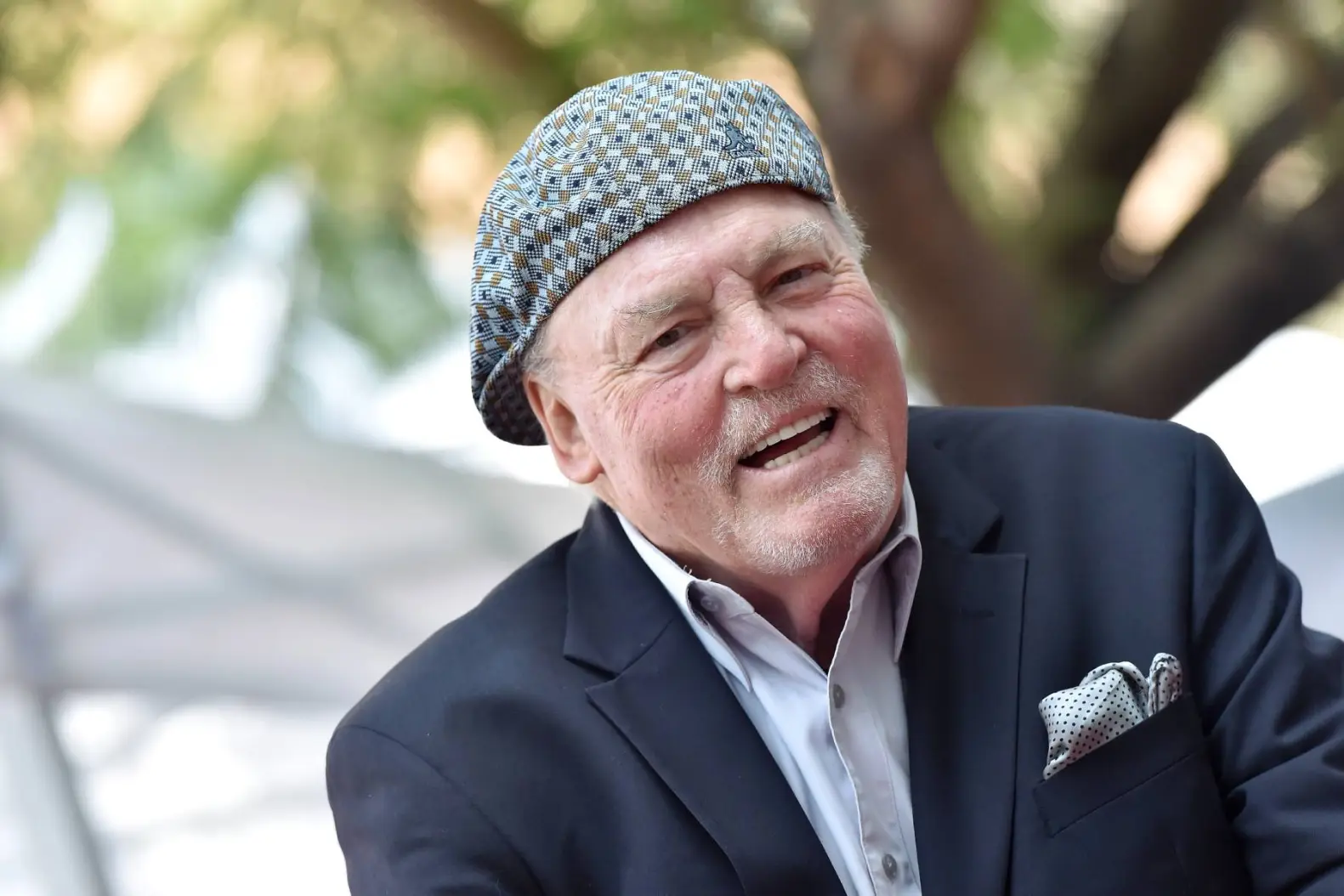
Over six decades and more than 200 screen roles, Keach moved effortlessly from Broadway to pulp television to prestige cinema.
ENTERTAINMENT
LOS ANGELES
To a generation of television viewers, Stacy Keach was Mike Hammer: trench coat, fedora, cigarette and a gravel voice narrating the mean streets of New York. To theater audiences he was a towering classical actor who could command a Broadway stage. To filmgoers he was the battered boxer of Fat City, Cheech and Chong's bewildered nemesis and, late in life, George Clooney's father. He was, in other words, almost impossible to categorize, and that was precisely the point.
Keach died at his home in Magdalenka, Poland, his family announced on Tuesday, November 10. He was 85. His wife, Malgosia Tomassi Keach, said in a statement to Entertainment Weekly that he died following a long illness. "After a long and difficult battle with a serious heart condition and heart failure, Stacy peacefully departed this world," she said. "He was a true warrior, facing his illness with the same remarkable spirit and resilience that defined his life."
From Savannah to the Stage
Born Walter Stacy Keach Jr. on June 2, 1941, in Savannah, Georgia, Keach began on stage, where his reputation was first built. His first screen credit came in 1964, a guest role on the ABC drama Channing, but it was the theater that made his name. In 1970 he earned a Tony nomination for Best Actor in a Play for Arthur Kopit's Indians, a role that also won him a Drama Desk Award. Over his career he collected five Drama Desk nominations and four wins, a record that placed him among the most respected stage actors of his era.
That classical grounding gave his screen work an unusual weight. Even when the material was pulp, Keach played it with the seriousness of a man who had spent his formative years with Shakespeare and modern American drama.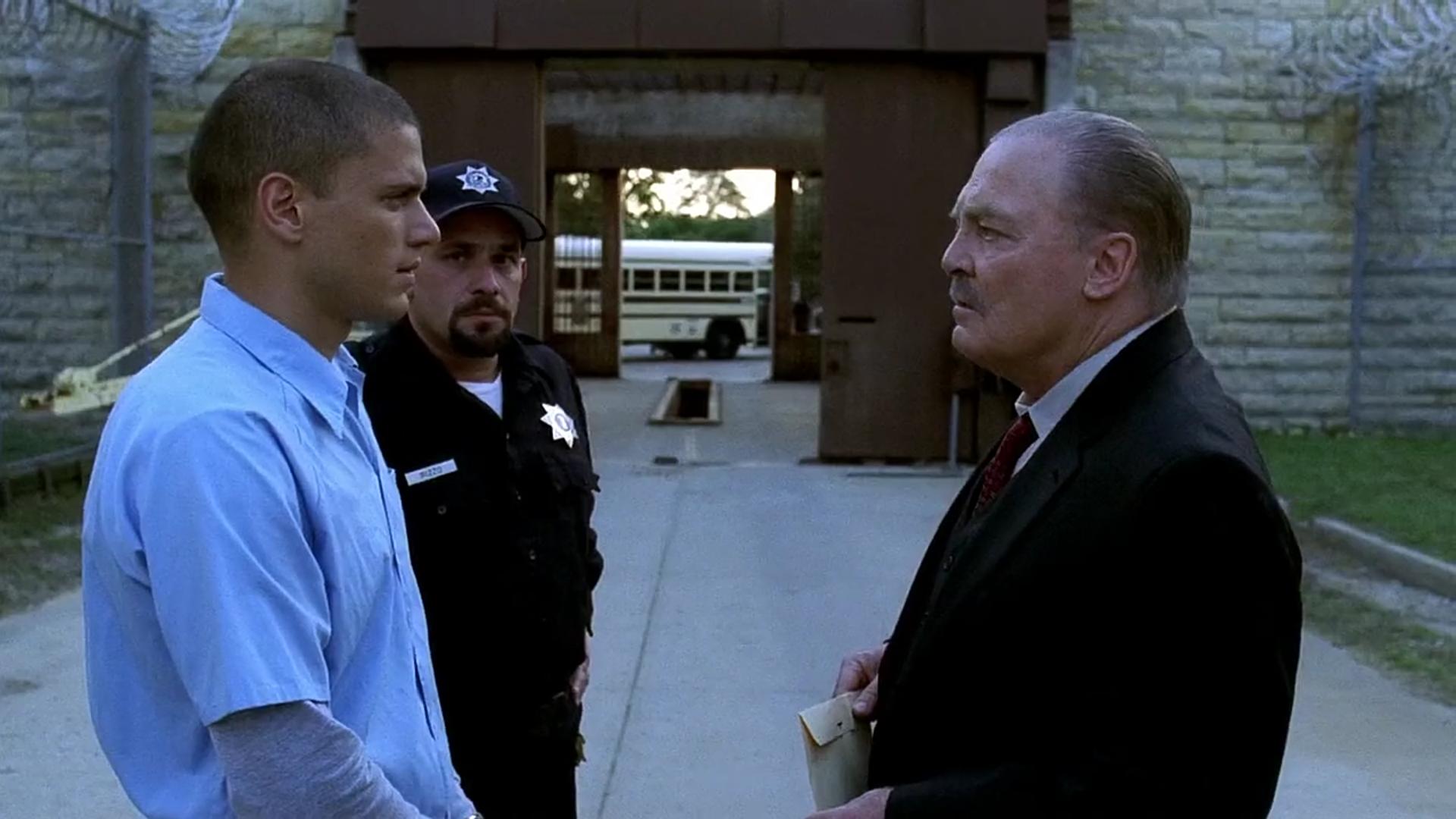
The Making of a Screen Character Actor
The early 1970s brought a run of film roles that critics still cite. He starred in John Huston's Fat City as a fading boxer, appeared in The New Centurions and turned up in The Life and Times of Judge Roy Bean. He was the hapless Sergeant Stedenko in Cheech and Chong's Up in Smoke, proof he could be very funny when the role called for it.
He also had a creative partnership with his brother, James Keach. The two first worked together on screen in the 1971 PBS NET Playhouse episode The Wright Brothers, with Stacy as Wilbur and James as Orville. In 1980 the brothers co-wrote The Long Riders, Walter Hill's western about the James-Younger gang, in which Stacy played Frank James. The film famously cast real-life sets of brothers as the outlaw siblings.
Becoming Mike Hammer
It was television, however, that made Keach a household name. Beginning in 1984, he played Mickey Spillane's private eye in Mickey Spillane's Mike Hammer and its continuation The New Mike Hammer on CBS, running through 1989, along with the TV movies The Return of Mickey Spillane's Mike Hammer (1986) and Mike Hammer: Murder Takes All (1989). He returned to the role once more in the syndicated Mike Hammer, Private Eye for two seasons in 1997 and 1998.
The character fit him like the trench coat. Keach's Hammer was tough without being cartoonish, a throwback detective delivered with knowing wit, and the show's voiceover narration became one of the signature sounds of 1980s television.
A Late Career Without a Lull
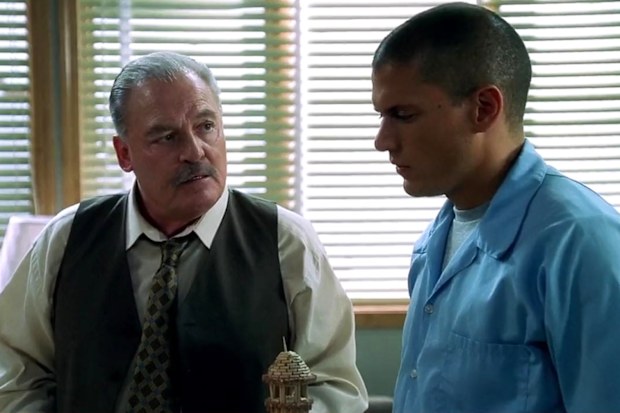
Many actors fade after a defining role. Keach simply kept working. He played Ernest Hemingway in the 1988 miniseries Hemingway and Barabbas in the 1977 NBC epic Jesus of Nazareth. He had starring roles in Titus, Prison Break, Man with a Plan, Full Circle and Lights Out, and lent his voice to Mowgli: The New Adventures of the Jungle Book. His guest and recurring credits read like a tour of modern television: ER, Will & Grace, Law & Order: Special Victims Unit, Brooklyn Nine-Nine, Ray Donovan, The Blacklist, NCIS: New Orleans and Two and a Half Men among them.
On film he brought gravity to American History X, menace to Escape from L.A., and memorable turns to Machete, Sin City: A Dame to Kill For, The Bourne Legacy and Alexander Payne's Nebraska. From 2016 to 2024, he played Cardinal Kevin Kearnson in 11 episodes of CBS's Blue Bloods, his final television role. His last film was Noah Baumbach's Jay Kelly in 2025, in which he played the father of George Clooney's title character, a fitting final bow for an actor who often lent veteran authority to younger stars.
Why His Career Still Matters
Keach belonged to a tradition that is increasingly rare: the actor who moves freely between high and low culture without condescending to either. He could play Hemingway and Hammer in the same decade and treat both with the same craft. In an industry that now tends to sort performers into franchise stars, prestige players and streaming regulars, his career is a reminder that range is its own kind of stardom.
What This Means for You
If your only memory of Keach is the trench coat, this is a good week to go deeper. Fat City remains one of the great American sports films, an unsentimental portrait of losers and dreamers. The Long Riders is a stylish, underrated western with an unusual family story behind it. Nebraska shows how much an actor can do in a small part. And the Mike Hammer episodes, many of which circulate on streaming and DVD, are a time capsule of 1980s television at its most confident. Watching them together gives a sense of how wide his range really was.
A Final Curtain
Keach is survived by his wife, Malgosia, his children, Karolina and Shannon, and their families. Over 60 years he worked in nearly every corner of the business, and in every one of them he left behind performances that hold up. The fedora will be the image most people remember. The career beneath it was far richer.