Written By | Fashion and Design Desk
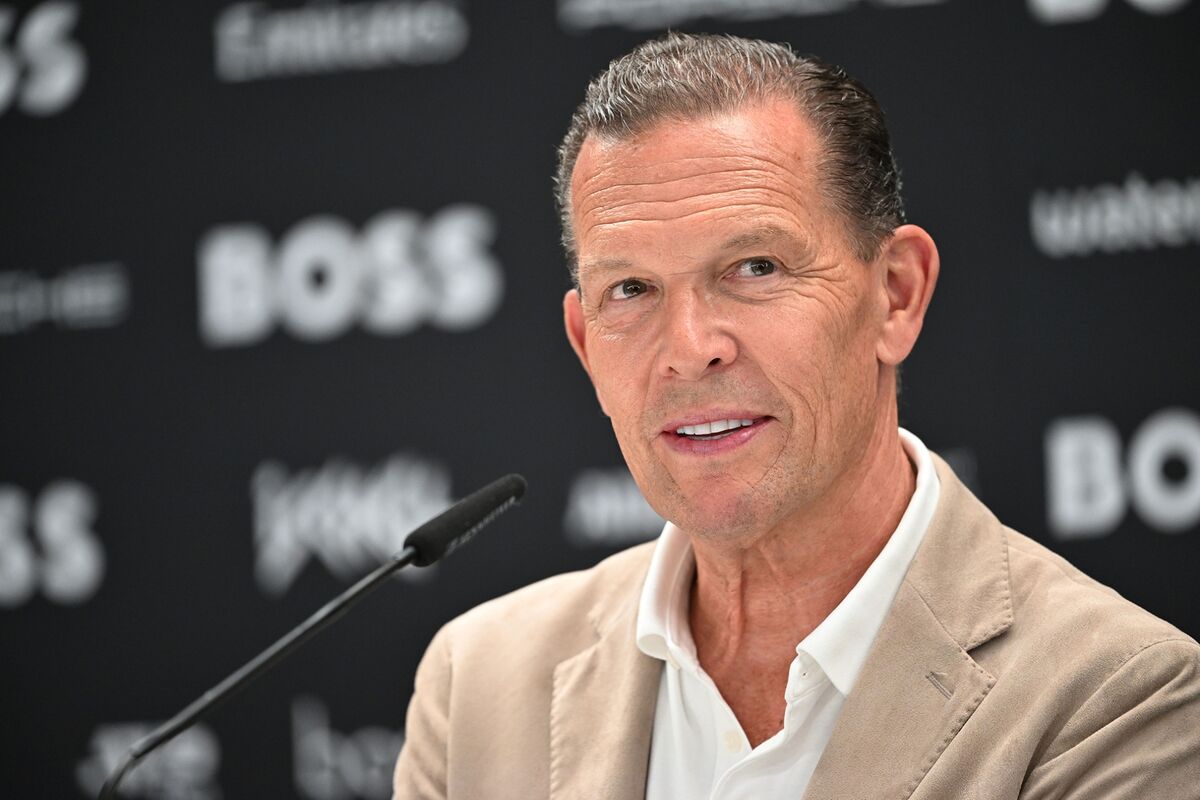
After months of boardroom maneuvering, Mike Ashley's Frasers Group has put one of its own, David Epstein, in charge of Germany's biggest fashion house
METZINGEN, Germany
The suits are changing at Hugo Boss, and not only the ones on the rails. On Thursday, November 12, the German fashion group announced that chief executive Daniel Grieder will step down at his own request at the end of the year, and that David Epstein, a longtime executive at Britain's Frasers Group, will take over as CEO from January 1, 2027.
On paper it is a routine succession. In practice it is the clearest sign yet that Frasers, the retail empire controlled by billionaire Mike Ashley, now runs one of Europe's best-known menswear houses. Epstein's appointment completes a remarkable year in which Hugo Boss's largest shareholder became its majority owner and steadily reshaped the company's leadership from the top down.
How Frasers took control
The story began in earnest in June, when Frasers made an offer of 38 euros per share for Hugo Boss, a bid Reuters valued at roughly 2 billion euros. Hugo Boss's management and supervisory boards rejected it. But as FashionUnited reported, the offer still lifted Frasers' stake to 47.89 percent, leaving it within touching distance of control.
What followed was a step-by-step consolidation. In September, Frasers CEO Michael Murray became chairman of Hugo Boss's supervisory board. Chief financial officer Yves Müller left the company. In October, Frasers crossed the 50 percent ownership threshold, giving it majority control. And this week, deputy CEO Oliver Timm announced his own exit, shortly before the news that Grieder would go too. In a matter of months, nearly the entire top tier of Hugo Boss's leadership has turned over.
Who is David Epstein?
Epstein is not a household name in fashion, but he is deeply embedded in the Frasers machine. He has worked at the group for more than a decade. Since 2024 he has been its chief brand partnerships officer, overseeing relationships with brands across Frasers' Sport, Premium and Luxury businesses. Before that, he spent five years as managing director of the group's Premium and Luxury divisions, according to FashionUnited, and helped drive Frasers' so-called Elevation Strategy, the company's long-running push to move upmarket from its discount sportswear roots.
That background tells you a lot about the job he is being asked to do. Frasers has been expanding steadily into premium and luxury, and Hugo Boss is the biggest prize in that strategy so far. Murray, according to FashionUnited, praised Epstein's experience in brand building and in premium and luxury retail. The company's deputy chairman and employee representative, Sinan Piskin, meanwhile highlighted Murray's commitment to the company's headquarters in Metzingen, a detail likely to reassure staff in the small Swabian town where Boss has been based since its founding.
Grieder's legacy
Grieder, who took over in 2021, leaves behind a brand that looks very different from the one he inherited. He led a full relaunch of the Boss and Hugo labels, with new identities and splashy campaigns aimed squarely at younger shoppers, and built out an omnichannel platform linking stores and e-commerce. In his statement he said the time was right "to hand over to the next generation of leadership."
The financial backdrop is less flattering. Hugo Boss recently cut its 2026 outlook and now expects a high single-digit decline in currency-adjusted sales, with earnings before interest and taxes of 250 million to 300 million euros. Whatever the reason for his departure, Grieder hands over a company that is shrinking this year, at a moment when its new owner clearly wants a faster, more commercially focused approach.
The bigger picture
The Boss shake-up lands in a mixed week for the fashion business. On November 13, Cartier owner Richemont reported a 39 percent rise in half-year net profit to 2.5 billion euros, with revenue up 16 percent to nearly 12.3 billion euros, according to FashionUnited. Hard luxury and jewelry, in other words, are thriving. Accessible premium fashion, the space where Hugo Boss largely competes, is under much more pressure, squeezed between discount retail and true luxury.
That is exactly the gap Frasers believes it can exploit. The group already operates a vast physical retail network, from Sports Direct to Flannels and House of Fraser, and has spent years buying stakes in brands it sells. Owning and running Hugo Boss outright gives it control over product, pricing and distribution in a way that simple wholesale relationships never could.
What this means for you
For shoppers, very little will change overnight. Boss suits, Hugo streetwear and the brand's fragrances and accessories will look the same on shelves this holiday season. Over time, though, expect a closer relationship between Hugo Boss and Frasers' own stores, potentially including more prominent placement in Flannels and Frasers locations in the UK and Europe, and a sharper focus on commercial performance.
For anyone who follows the business of fashion, the bigger lesson is about who holds power. Hugo Boss is a reminder that ownership, not creative direction, increasingly decides a brand's future. The most important decisions at a 100-year-old German fashion house are now being made by a British retailer, and the new CEO's résumé is built on brand partnerships and retail strategy rather than design. Whether that is a recipe for renewal or for a more cautious, margin-driven Boss is the question the industry will be watching through 2027.
The last word
Daniel Grieder spent five years trying to make Hugo Boss feel younger. David Epstein's mandate will be to make it work for its new owner. Those goals are not necessarily in conflict, but the balance between them will shape what Boss looks like, and where you buy it, for years to come.