Written By | Health News Agencies
A panel reporting to the Pan American Health Organization has ruled that the virus has circulated nonstop inside the US for more than a year
HEALTH
It took a quarter of a century to win. It took less than two years to lose. The United States is no longer a measles-free nation. An independent commission of experts that reports to the director of the Pan American Health Organization (PAHO) has decided the country no longer qualifies as having eliminated measles. The Wall Street Journal first reported the ruling on Friday, November 13, and a source close to the process confirmed it to CNN. It ends a streak that began in 2000, when America declared victory over a disease that once infected millions of children every year.
The verdict was widely expected. That does not make it any less of a gut punch. For the first time in a generation, health authorities now consider measles endemic in the United States again: a disease that lives here, circulates here and spreads from neighbour to neighbour without needing a traveller to bring it in from abroad.
"Incredibly embarrassing" is how Dr. Peter Hotez of Texas Children's Hospital described the loss. He warned that measles is now widespread across the country once more.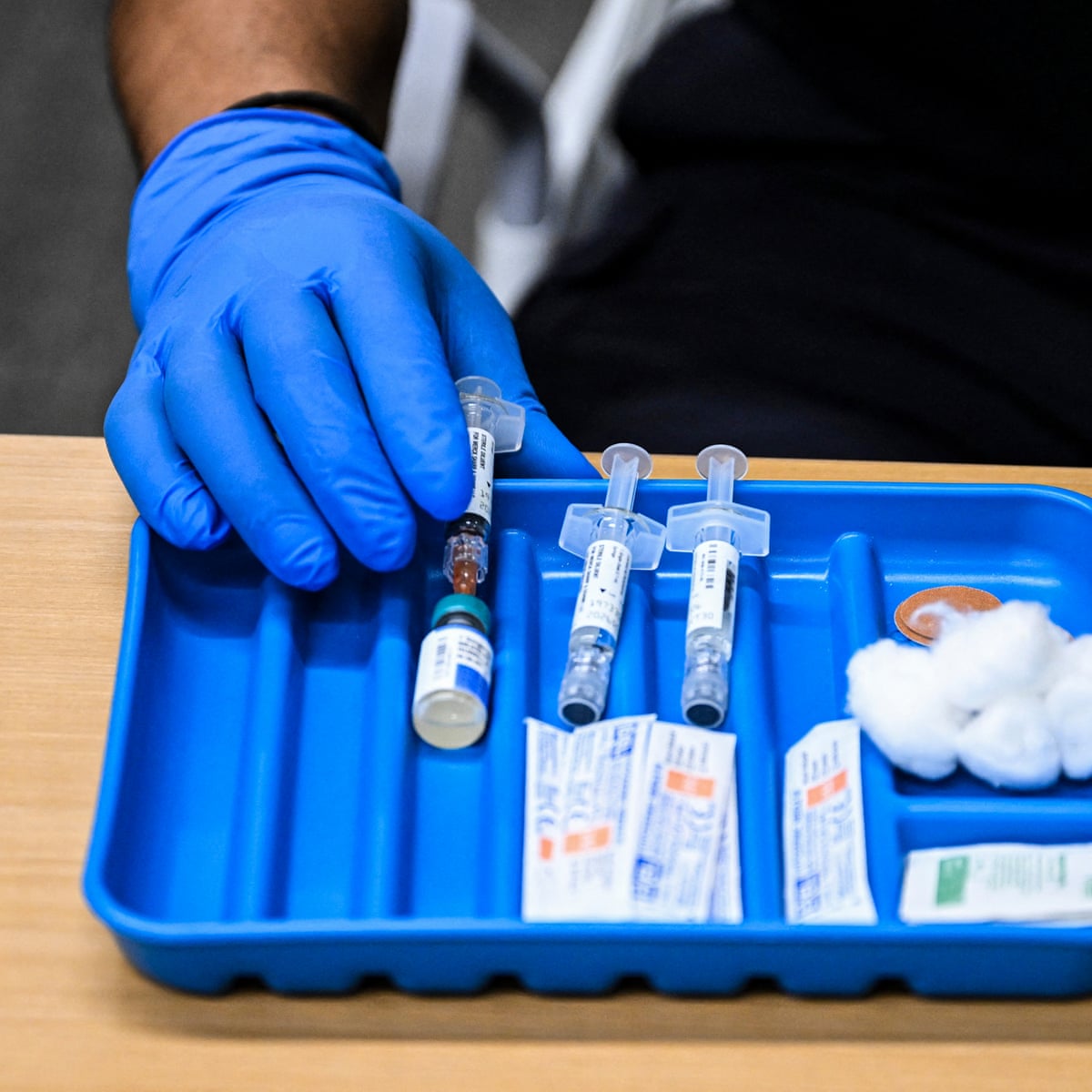
How a country loses its "measles-free" badge
The rule is brutally simple. Under the framework used across the Americas, a country loses elimination status when a single chain of measles transmission, meaning the same strain passing from person to person, keeps going inside its borders for at least 12 months.
To work that out, experts look at the virus itself. Genetic sequencing of samples from patients shows which cases belong to the same transmission chains. If the genetic fingerprints keep matching month after month, the outbreak never really ended, and the virus has quietly settled in.
It is not publicly known exactly which data the committee relied on. The national status report is confidential, and Reuters reported that neither PAHO nor the US Department of Health and Human Services (HHS) responded to requests for comment. But scientists say the evidence was hard to miss.
Dr. Angela Rasmussen, a virologist at the University of Saskatchewan, told CNN that the Utah data on its own would have been enough. In August, Utah's public health laboratory published a preprint study showing that a single measles strain had been circulating in the state for more than a year. That one strain accounted for more than 95% of Utah's cases. It moved from the southwest of the state into central Utah and caused more than 600 cases between June 2025 and June 2026.
Utah was not alone. Sustained outbreaks also took hold in South Carolina, Pennsylvania, Wisconsin, New York and other states.
The numbers that sank the streak
The figures for 2026 are the worst America has seen in more than three decades.
More than 5,400 measles cases have been reported nationwide this year, the highest total since 1991. Reuters, citing Centers for Disease Control and Prevention (CDC) data as of Thursday, put the confirmed count at 5,182 cases across 45 states, New York City and the District of Columbia, with a later CDC update pushing the figure past 5,400. Either way, it is more than double 2025's total of roughly 2,300 cases, and 2025 had already been a record-breaking year.
Most of the 2026 cases are tied to 43 new outbreaks that began this year. More than 1,000 more are linked to outbreaks that started in 2025 and never stopped.
The human cost is mounting. At least 10 people have died of measles in the United States this year, according to state reports. Reuters puts the toll at about 13 deaths and roughly 7,500 infections since the start of 2025. Pennsylvania alone has now reported its sixth confirmed measles death. According to the CDC, about one in every nine reported cases has ended in hospital.
And the pattern behind those numbers is almost entirely the same: nearly all of this year's patients were unvaccinated against measles, mumps and rubella (MMR), or their vaccination status was unknown.
From West Texas to coast-to-coast
The modern measles comeback picked up speed in early 2025, when a huge outbreak erupted in a rural Mennonite community in West Texas where vaccination coverage was low. That outbreak alone produced 762 cases, spilled into New Mexico and killed two unvaccinated children in Texas and an unvaccinated adult in New Mexico.
For a while, there was hope that America might hold on. Late in 2025, then-acting CDC director Jim O'Neill said a preliminary analysis found that an outbreak in Utah and Arizona was not directly linked to the Texas chain, which meant the Texas clock would not simply roll on. Early in 2026, Noel Brewer, a professor at the University of North Carolina who chairs the independent expert committee that analyses US data for PAHO, said that the country did not yet appear set to lose its status under PAHO's definition.
But measles kept finding new ground. South Carolina became an epicentre, reporting hundreds of cases. Utah's long-running strain kept rolling. New outbreaks kept igniting faster than health departments could put them out.
Even early in the year, some experts were not convinced the badge could be saved. "I'm going to say that elimination is already lost, frankly, no matter what any other body says," Dr. Demetre Daskalakis, former director of the CDC's immunization centre, told NBC News at the time.
Why measles is so dangerous
Measles is one of the most contagious diseases known to science. A single infected person typically passes the virus to 12 to 18 others. The virus can hang in the air of a room for hours after a sick person has left. Among people with no immunity, about nine out of every ten who are exposed will catch it.
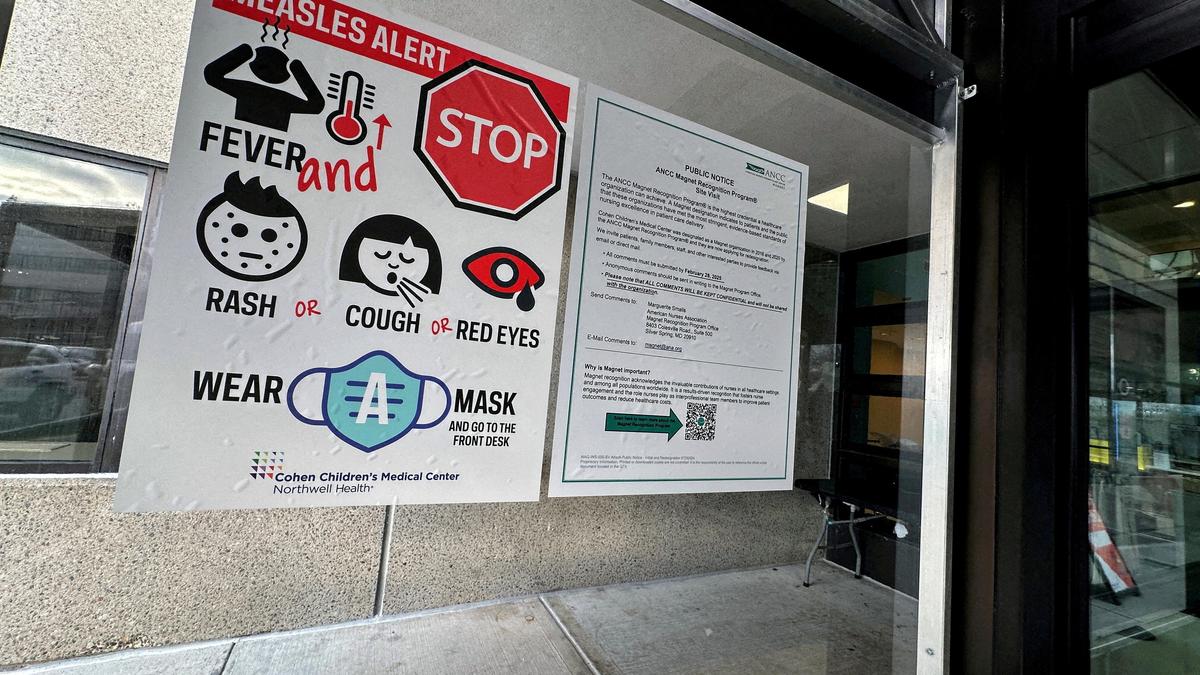
For most patients, measles means a high fever, a spreading rash, a cough and red, streaming eyes, followed by recovery. But Dr. William Moss of Johns Hopkins University warns that the danger does not stop when the rash fades.
Measles can wipe out the immune system's memory of germs a person has already fought off, a phenomenon scientists call "immune amnesia". That can leave survivors exposed to pneumonia, diarrhoeal illness and other infections for months or years afterwards. Measles in pregnancy can cause birth complications. And in rare cases, the virus can trigger subacute sclerosing panencephalitis (SSPE), a brain disease that appears years after the original infection and is always fatal.
"All of these are preventable by vaccination," Moss stressed.
Doctors on the front lines are now facing measles complications that many had only ever read about in textbooks. The Washington Post reported on Saturday that surging cases are forcing physicians to treat conditions they have never seen before.
Babies too young to be vaccinated and people with weakened immune systems are at the greatest risk when measles circulates in their community.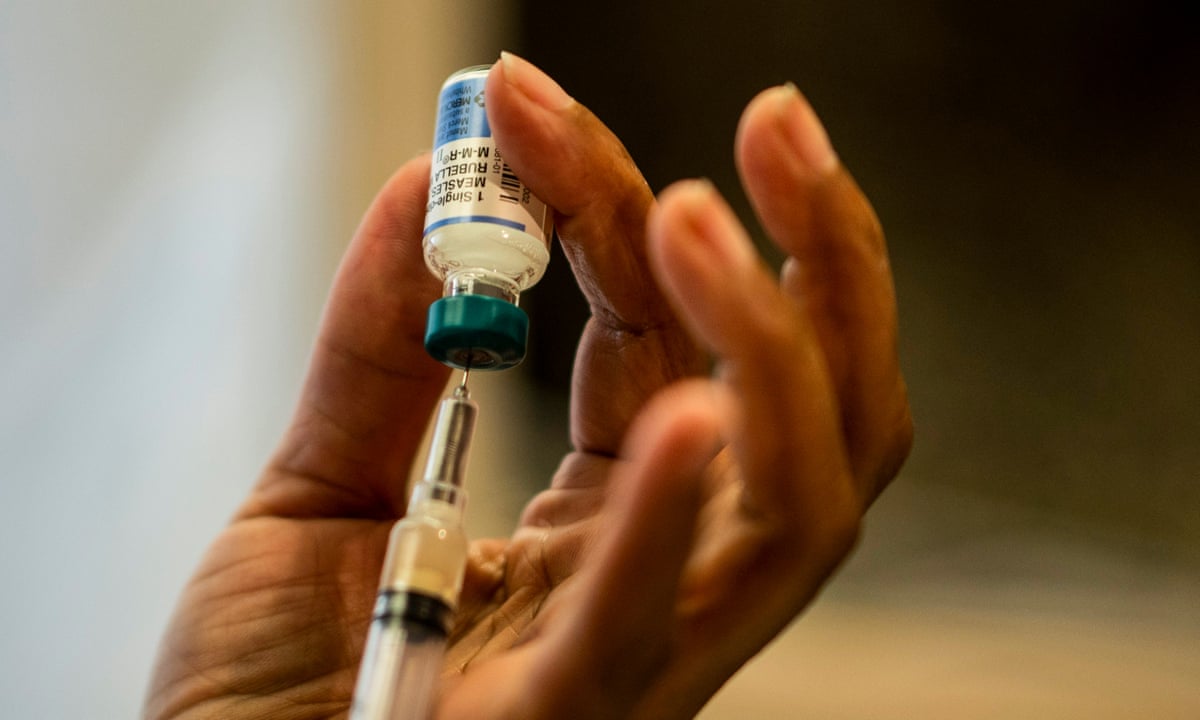
Expert perspective: "A fully preventable disease"
The experts who track measles are united on one point: none of this had to happen.
"It is a fully preventable disease," Brewer told Reuters.
Two doses of the MMR vaccine cut the chance of catching measles by about 97% compared with no vaccination, and that protection usually lasts for life. To stop measles spreading through a community, around 95% of people need to be immune. When coverage drops below that line, the virus finds the gaps.
Those gaps have been widening. According to KFF, 39 states had kindergarten measles vaccination rates below the 95% threshold in the 2024-25 school year, up from 28 states before the COVID-19 pandemic. A study in JAMA, based on an NBC News data investigation with Stanford University, found that most US counties have seen a steady rise in kindergarten exemptions for religious or personal beliefs.
Moss told CNN that regaining elimination status will be difficult because of declining trust in vaccines, rising nonmedical school exemptions, falling kindergarten MMR coverage and what he described as the undermining of vaccine policy. He also said the loss damages America's reputation in public health and signals that large outbreaks will continue.
Dr. Nuwan Gunawardhana of Columbia University said the situation threatens decades of public health progress. Daskalakis said losing elimination status leaves the nation less prepared to face other health challenges, both infectious and noninfectious.
The politics behind the outbreak
The ruling lands amid a fierce national fight over vaccines. CNN noted that some members of the Trump administration, including President Donald Trump, have questioned the safety and effectiveness of measles vaccines.
HHS Secretary Robert F. Kennedy Jr. has urged people to get measles shots, but has also promoted unproven treatments such as steroids and antibiotics and has made false claims that vaccine immunity fades quickly, according to NBC News.
Earlier this year, when NBC News asked whether losing elimination status would be significant, Dr. Ralph Abraham, the CDC's principal deputy director, replied: "Not really." He added: "We have these communities that choose to be unvaccinated. That's their personal freedom."
CDC Director Dr. Erica Schwartz told Reuters before the decision that losing the status would mean "the same exact thing" for the agency's day-to-day work: partnering with states to encourage immunization.
There is also a diplomatic twist. The United States has left the World Health Organization, but it remains a member of PAHO, the regional body that oversees the Americas and made this call.
America is not alone
The US now joins a growing club of wealthy nations that have let measles back in. Canada lost its elimination status in November 2025 after a sprawling, multi-province outbreak that infected more than 5,000 people. Spain and the United Kingdom have also lost their status after WHO expert review. Mexico, battling several large outbreaks of its own, is at risk of being next.
The setback is especially painful for the region. In 2016, PAHO and WHO declared all 35 countries of the Americas free of ongoing measles transmission, the first region in the world to achieve it. PAHO still lists measles among about 30 diseases it is targeting for elimination by 2030.
What this means for you
Losing elimination status does not mean the vaccine has stopped working. It means more of us are likely to cross paths with the virus. Here is what doctors recommend.
Check your records. Two documented doses of MMR give about 97% protection. If you are not sure whether you or your children are fully vaccinated, ask your doctor or pharmacist, or request records from your state immunization registry.
Get kids vaccinated on time. The CDC schedule calls for the first MMR dose at 12 to 15 months and the second at 4 to 6 years. In outbreak areas, health officials sometimes advise an early dose for infants.
Plan ahead before travel. Airports and planes have repeatedly been sites of measles exposure. Make sure your family is protected before any trip, at home or abroad.
Know the signs. Measles usually begins with high fever, cough, runny nose and red, watery eyes, followed a few days later by a rash that spreads from the face downward. If you suspect measles, call your doctor or clinic before you go in, so staff can keep you away from other patients.
Protect the vulnerable. Newborns, pregnant women and people with weakened immune systems depend on everyone else being immune. Your vaccination protects them too.
The road back
Can America win back its measles-free status? In theory, yes. To get it back, the country would need to break every chain of transmission and prove, with sequencing data, that no single strain has circulated for a year. In practice, experts say that will take a sustained rise in vaccination rates, and right now the trends are moving in the opposite direction.
For a country that set itself the goal of wiping out measles back in 1978 and reached it in 2000, the loss is a grim milestone. A virus that America once relegated to history books is now, officially, part of everyday life again. The only proven way to push it back out is the same one that worked last time: two small shots.