Share
By Linet Nabwire
The scenic slopes of Mt. Elgon, with their lush greenery and the cascading Wanale Hills, once stood as a symbol of nature’s beauty and abundance. But today, this same landscape tells a different story—one of erosion, landslides, and relentless droughts. Climate change has not spared my homeland, and neither has the oppressive weight of patriarchal norms that silence the very people who suffer its worst impacts: women and girls.
The double burden of climate and culture
In rural Uganda, particularly in regions like Namisindwa District, women and girls are the backbone of agricultural labor, water collection, and household sustenance. When climate disasters strike—whether through landslides wiping out crops or prolonged droughts drying up water sources—it is women who walk longer distances in search of water, girls who drop out of school to help their families survive, and mothers who bear the emotional toll of watching their children go hungry.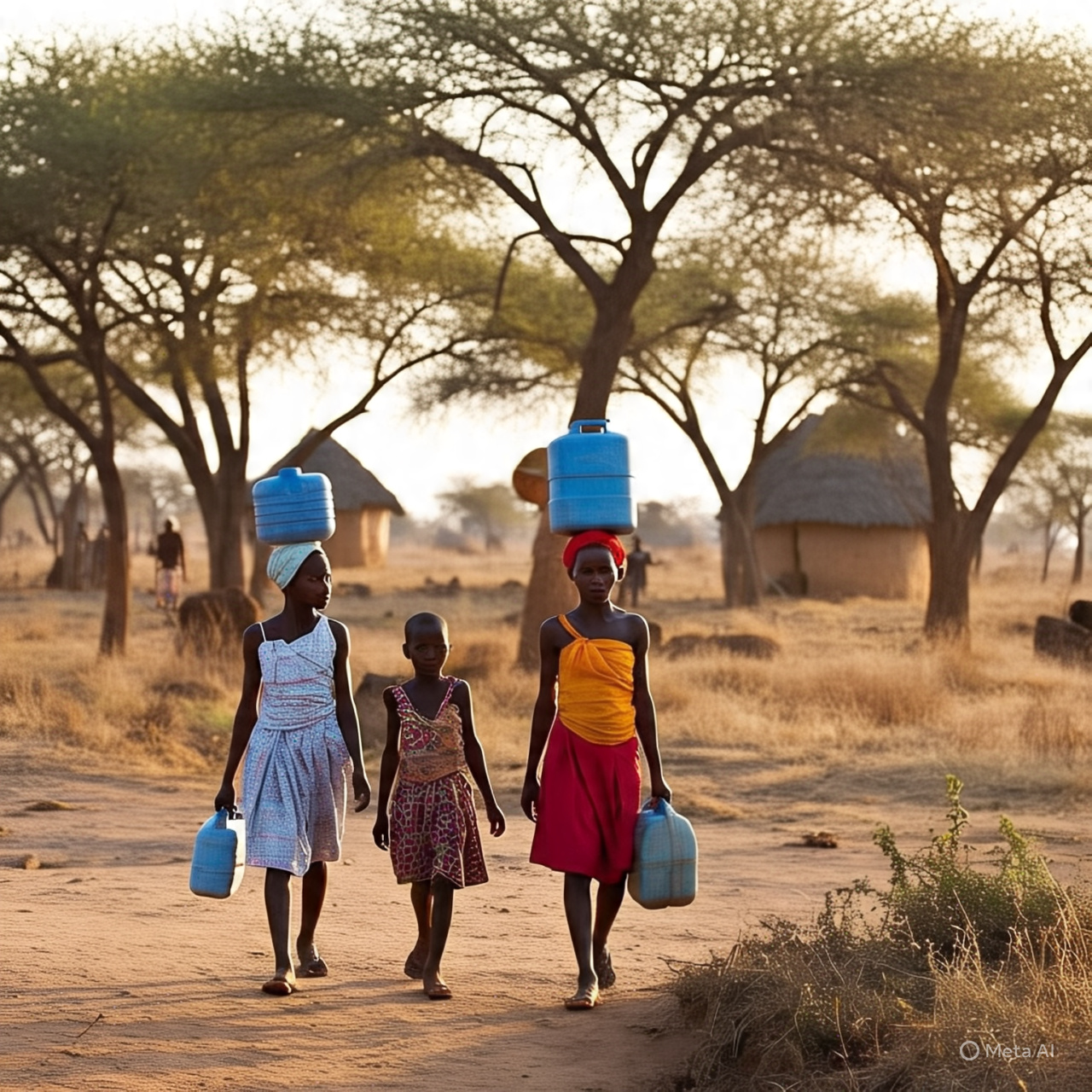
Yet, despite being on the frontlines of climate vulnerability, their voices are often stifled. Deep-seated patriarchal norms dictate that women should not speak up in community meetings, that their opinions on environmental management are secondary, and that their primary role is to endure—not to lead. This systemic silencing exacerbates their vulnerability, leaving them trapped in a cycle of poverty and disempowerment.
When tradition trumps survival
In many Ugandan communities, cultural practices reinforce gender inequality, making it difficult for women to participate in decision-making processes—even those directly affecting their lives. Land ownership, for instance, is predominantly male-dominated, meaning women have little say in how natural resources are managed. When climate-induced disasters displace families, women—who rarely hold legal land titles—are left with no security.
Additionally, girls are often pulled out of school during crises to help with domestic chores or are married off early to ease financial burdens. This not only robs them of education but also perpetuates intergenerational poverty, limiting their ability to adapt to a changing climate.
A feminist climate justice approach: Why women must lead
The intersection of gender inequality and climate vulnerability demands a feminist approach to climate justice. Women are not just victims—they are powerful agents of change. At Creation Care Foundation, we have witnessed this firsthand through our "Trash to Treasure" initiative, where women and girls transform metallic bottle tops and fabric scraps into beautiful crafts. This not only reduces waste but also empowers them with skills and economic independence.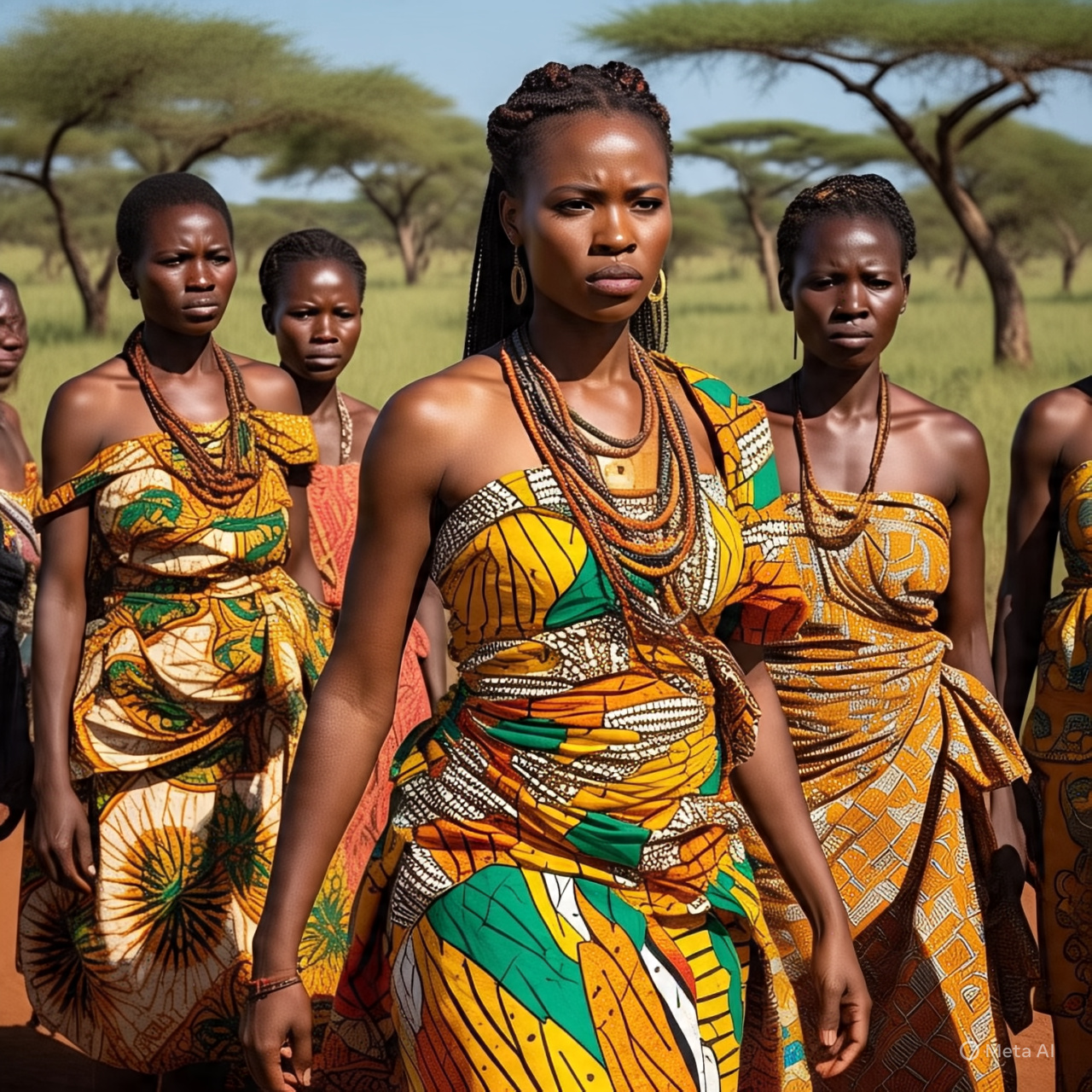
However, such initiatives are just a drop in the ocean. To truly build resilience, we must: Amplify Women’s Voices – Ensure they have a seat at the table in climate policy discussions, Challenge Patriarchal Norms – Educate communities on gender equality as a tool for climate adaptation and Invest in Women-Led Solutions – Provide funding and resources to grassroots women activists driving environmental change.
Standing firm for change
The road ahead is tough, but we cannot afford to tire. Every landslide, every drought, every silenced woman’s voice is a reminder of the urgency of this fight. I stand with my two feet firmly on the ground, calling for a transformative shift—one where women and girls are not just survivors of climate change but leaders of the resilience movement.
Together, we must dismantle the patriarchal barriers that deepen climate suffering and forge a future where justice, equality, and sustainability are not just ideals, but realities.
The time for change is now!
The writer is Feminist Climate Justice Advocate
Strategic Team Lead & Founder Creation Care Foundation



