Written By | Staff Writer
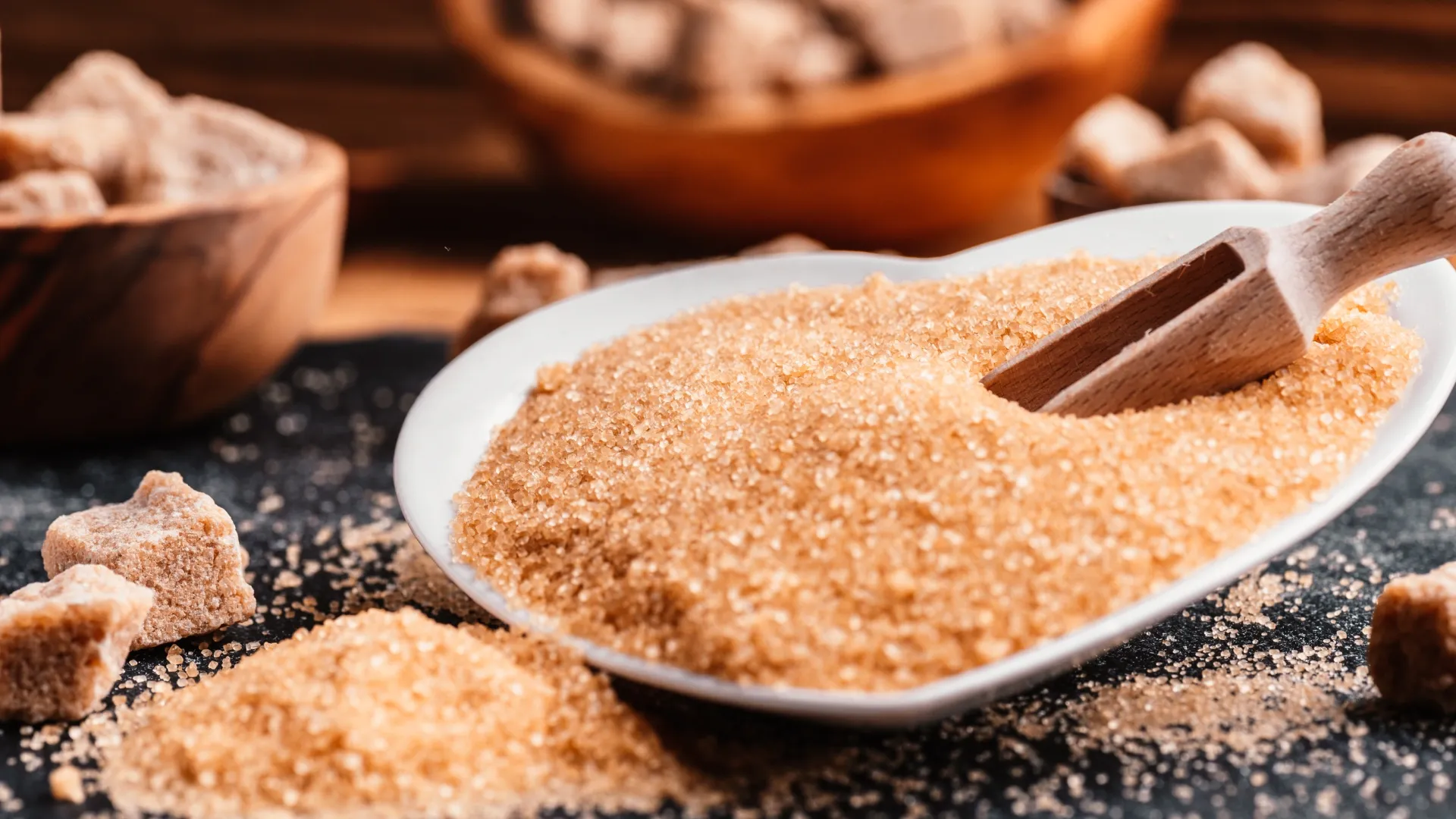
Kenya has, in recent years, absorbed as much as 100,000 tonnes of Ugandan sugar annually, making it by far Uganda's most important external market for the commodity
Agriculture
A sudden change in Kenyan tax law has plunged East Africa's sugar trade into crisis and left Uganda's second-biggest manufacturing sub-sector staring down its most serious market threat in years. Under Kenya's Finance Act, 2026, which took effect on July 1, the excise duty charged on imported sugar jumped from Ksh7,500 (about $57.82) per tonne to Ksh40,000 (about $308) per tonne — a fivefold increase that Ugandan millers say will price their sugar out of Kenya's market almost overnight.
The Uganda Sugar Manufacturers Association (USMA) has not stayed quiet. In separate letters dated June 20 and June 25, addressed to the ministries of Trade and East African Community Affairs, the association warned that the measure threatens not just Uganda's sugar exports but the credibility of the East African Community's own integration project. "The implementation of this measure is expected to significantly reduce the competitiveness of Ugandan sugar in the Kenyan market and disrupt longstanding regional trade relations developed under the EAC integration framework," USMA chairman Jim Mwine Kabeho wrote, according to reporting by The EastAfrican.
The numbers explain the alarm. Kenya has, in recent years, absorbed as much as 100,000 tonnes of Ugandan sugar annually, making it by far Uganda's most important external market for the commodity. Uganda's total annual sugar production sits at roughly 700,000 metric tonnes, produced mainly by two dominant millers: Kakira Sugar Works, which accounts for about half of national output and employs some 12,500 people, and Kinyara Sugar Works, which produces around 110,000 metric tonnes a year — about 31 percent of the national total — and employs roughly 12,150 workers. Beyond the factory gates, the industry sustains tens of thousands of outgrower sugarcane farmers, transporters and traders across the sugarcane belts of Busoga, Bunyoro and the west, all of whom feel the ripple effects when a major export market tightens.
For an industry of that scale, losing meaningful volume to a neighbouring market is not a marginal inconvenience — it is a shock that runs straight through to farm gate prices for the cane growers who supply the mills. When millers cannot move surplus sugar profitably across the border, the pressure typically flows backward through the value chain: millers slow cane intake, delay payments, or push down the prices they offer outgrowers, who have few alternative buyers for a crop that must be processed within days of harvest. Sugarcane cannot simply be stored and sold later; a market shock at the export end lands quickly on the farmer's payslip.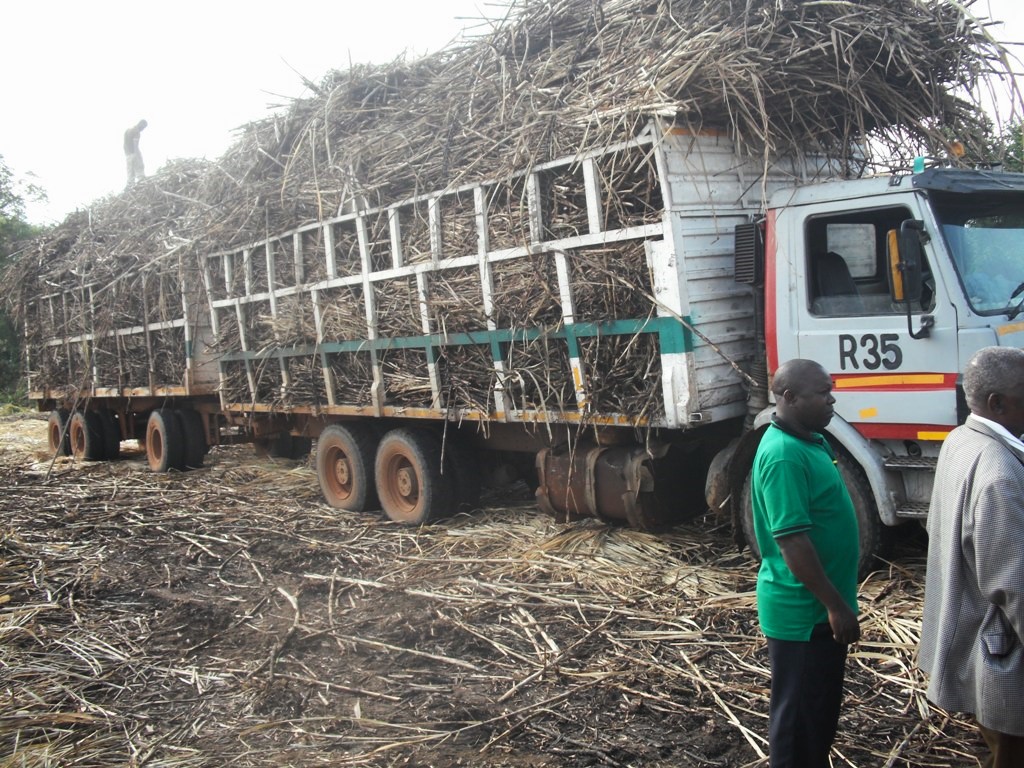
A Tax With Deep Roots in Regional Tension
This is not the first flashpoint in East Africa's sugar trade, and that history matters for understanding why Kampala is treading carefully. Uganda and Kenya have sparred for years over sugar market access, with Nairobi periodically citing the need to protect its own struggling millers — many of them state-owned or recently privatised — from cheaper regional competition. Kenya's domestic sugar industry has long argued that it cannot compete with more efficient producers in Uganda and Tanzania without tariff protection, a position that has repeatedly put it at odds with the EAC's founding promise of free movement of goods among partner states.
That tension makes the timing of Kenya's new duty especially awkward. At the March 2026 EAC Heads of State summit in Arusha, member countries publicly committed to eliminating tariff and non-tariff barriers among partner states by June 30, 2026 — a deadline that came and went just one day before Kenya's new sugar duty took effect. Ugandan officials and manufacturers argue that a fivefold excise increase on a fellow EAC member's sugar is difficult to square with that commitment, regardless of how Nairobi frames the measure domestically.
For now, Kampala says it does not intend to retaliate. Trade Ministry commissioner Dennis Ainebyoona has confirmed that government-to-government discussions with Kenyan authorities are already under way, building on earlier engagements led by State Minister for Trade Gen Wilson Mbadi. The preference, officials say, is to resolve the dispute through existing EAC mechanisms — the regional bloc's Council of Ministers and its dispute-resolution machinery — rather than through a tit-for-tat trade war that could just as easily hurt Kenyan exporters of goods that flow the other way into Uganda.
Why This Matters Beyond the Factory Floor
The sugar dispute is a useful lens on a bigger structural problem for Uganda's agro-industrial ambitions: the country has spent the better part of a decade encouraging processors to move up the value chain and export finished, packaged goods rather than raw commodities, precisely because processed products earn more per tonne and create more jobs. Sugar refining is one of the few areas where Uganda has genuinely succeeded at this — Kinyara Sugar, for instance, expanded into "industrial sugar" production in 2022 and has since scaled capacity to around 75,000 metric tonnes annually for pharmaceutical, beverage and confectionery-grade uses. All of that progress depends on regional markets staying open on fair terms. A sudden tariff shock from a single partner state can undo years of investment in processing capacity almost as quickly as it was built.
There is also a food-security and livelihoods dimension that rarely makes the trade headlines. Sugarcane is one of the few cash crops in Uganda's mid-western and eastern cane belts that offers smallholder farmers a guaranteed buyer and a predictable, if modest, income — a role similar to what coffee plays in the highlands or tea in the west. Disruption to that guaranteed offtake does not just squeeze factory margins; it removes a rare source of stable rural income in districts where alternatives are limited. Farmers who diversified into cane specifically because millers offered contracted, near-certain purchase now face renewed uncertainty about whether that arrangement still holds if Kenyan volumes dry up and mills are left holding unsold stock.
Uganda's response so far — measured diplomacy rather than retaliation — reflects a broader calculation about what the country has at stake in the EAC beyond sugar. Uganda runs a trade relationship with Kenya that spans everything from petroleum imports through the Kenyan port of Mombasa to exports of milk, cement, plastics, and increasingly processed foods. A retaliatory tariff war over sugar risks becoming a wider trade skirmish that could jeopardise transit arrangements Uganda depends on for imports far larger in value than its sugar exports to Kenya. That asymmetry of leverage is precisely why Ugandan officials appear determined to keep this a negotiation rather than a confrontation.
What happens next will likely be decided less by press statements than by technical talks between the two countries' trade ministries in the coming weeks. For Uganda's sugar millers and the farmers who supply them, the stakes are concrete: whether a market that has absorbed up to 100,000 tonnes a year stays open, shrinks, or closes altogether. For the wider East African Community, the dispute is another test of whether the bloc's repeated pledges to eliminate barriers to intra-regional trade can survive the pressure of individual states protecting politically sensitive domestic industries. Uganda's sugar sector, and the tens of thousands of livelihoods tied to it, will be watching closely for the answer.