Written By |
Kidepo sits in the far northeastern corner of Uganda, in the Karamoja region, hard against the borders of South Sudan and Kenya
FEATURE
Kidepo Valley National Park
The road north from Gulu seems to forget about Uganda's green. The banana groves thin, the red earth turns ochre, and somewhere past Kitgum the horizon flattens into a pale, shimmering savanna broken only by the blue shoulders of distant mountains. Then the land opens into a broad valley where a herd of buffalo, hundreds strong, grazes beneath a sky so large it feels borrowed from another continent. This is Kidepo Valley National Park, and those who make the journey tend to say the same thing afterward: it is the Uganda that nobody told them about.
A Park at the Edge of the Map
Kidepo sits in the far northeastern corner of Uganda, in the Karamoja region, hard against the borders of South Sudan and Kenya. Gazetted as a national park in 1962, it covers roughly 1,442 square kilometres of rolling savanna, rocky outcrops and seasonal rivers, ringed by the Morungole and Lotukei mountain ranges. Two river systems define it. The Narus, which holds water in pools well into the dry season, draws game to the lush Narus Valley in the south. The Kidepo, a broad sandy channel that flows only after rain, cuts through the drier north, where the landscape stretches out in a manner more reminiscent of Kenya's Tsavo or the plains of southern Sudan than the forested Uganda of postcards.
Remoteness has been both the park's curse and its gift. For decades, insecurity in the wider region kept visitors away, and Kidepo slipped from view. Today the area is calm, and the isolation has become the attraction: vehicles are few, lodges are small, and a game drive can pass for hours without another set of tyre tracks. Safari writers have long ranked it among the finest wilderness parks on the continent, and it is hard to argue once you are standing on a granite kopje at dusk, watching the valley turn gold.
The Animals Uganda's Other Parks Cannot Offer
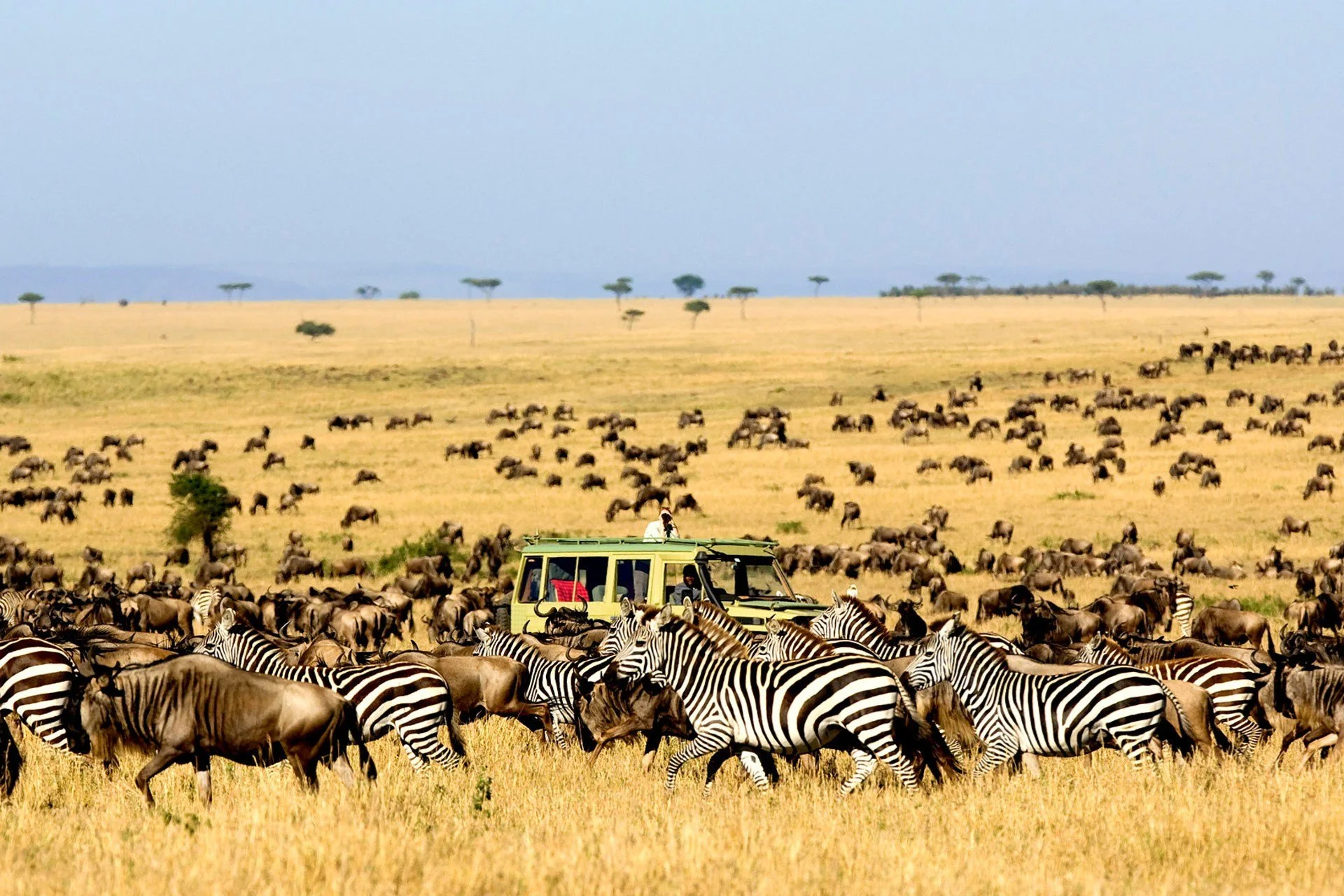
Kidepo's wildlife list reads like a corrective to the idea that Uganda is only about gorillas. The park is home to more than 80 mammal species and over 450 recorded bird species, and several animals here are found nowhere else in the country's protected areas. Cheetahs course across the northern plains. Ostriches, the largest birds in the world, stride through the grassland. Lions, leopards and spotted hyenas hunt the valley after dark, while elephants, Cape buffalo, zebras, giraffes, elands, hartebeest and bush duiker graze by day. Birdwatchers can add dozens of species with a northern, dry-country character, including the Karamoja apalis and a procession of raptors that circle on the thermals above the kopjes.
Dawn and dusk drives along the Narus Valley are the reliable heart of the experience, with the park's sunset hours bringing predators and herds to the water. Night drives, available with a ranger guide, reveal a different cast: genets, civets, bat-eared foxes and the occasional prowling lion.
Beyond the Game Drive
Kidepo rewards visitors willing to leave the vehicle. Guided nature walks and the Lonyili hike take in the valley's rocky heights and sweeping views. Climbing Mount Morungole, the park's highest massif, leads to the settlements of the Ik, a small community of mountain people whose language, customs and long resilience make them one of Uganda's most distinctive cultural groups. Visits are guided and arranged through the park and local operators. Closer to the park, the Karimojong, pastoralists famed for their cattle, beadwork and ceremonial dress, welcome visitors to their manyattas, and a morning spent there changes how one sees the savanna: not as empty wilderness, but as a landscape lived in and understood for generations.
Practical Visitor Information
Getting there is part of the adventure. The drive from Kampala runs to roughly 700 kilometres and typically takes ten to twelve hours, usually broken with a night in Gulu or Kitgum, and the final stretch is best tackled in a four-wheel-drive. Most travellers who can afford it instead fly, taking a scheduled or chartered light aircraft from Entebbe or Kajjansi to the Apoka airstrip in about two hours, a flight that doubles as an aerial safari over the Nile and the northern plains.
The park is open from 7 a.m. to 7 p.m. Published rates compiled by tour operators put the entry fee for international non-resident adults at about US$40 per 24 hours, with children aged five to fifteen at about US$20, foreign residents at US$30 and East African citizens at UGX 20,000. Guided day game drives, night drives, nature walks and the Lonyili hike carry separate activity charges, and vehicle fees apply. These figures come from a third-party guide last updated in late 2025, and the Uganda Wildlife Authority sets official tariffs that are revised periodically, so travellers should confirm current rates when booking.
The dry seasons, broadly December to February and June to September, offer the best game viewing, when animals concentrate along the Narus's remaining pools and the grass is short. The rainy months from April to May and October to November turn the park green, make the roads harder and bring excellent birding. Accommodation ranges from a handful of upmarket safari lodges to simple bandas and camping on the park's own grounds, and since choices are limited, it pays to book well ahead in peak season.
This Week in Ugandan Tourism
Our search for the very latest sector news turned up a modest week, so we have gathered the most recent notable developments, each dated, as context for travellers and investors.
17 October 2026: At a Uganda Marketers Society event in Kampala, Uganda Tourism Board CEO Juliana Kaggwa said the country is still at an early stage of building its tourism brand, arguing that promotion must go hand in hand with better access, including stronger domestic air connectivity, and investment in hospitality skills. The same panel urged Ugandans to travel domestically and become ambassadors for their own country. Reported figures cited at the event put tourism receipts at US$1.7 billion in the 2025/26 financial year, with international arrivals up 19.7 percent in 2025 to about 1.64 million.
30 April 2026: The Ministry of Tourism, Wildlife and Antiquities released its Tourism Statistical Abstract for 2025, reporting more than 1.6 million international arrivals and earnings of UGX 5.8 trillion, roughly US$1.62 billion. Visitors stayed an average of 8.8 nights and spent about US$986 per trip. Tourism contributed an estimated 5.9 percent of GDP and supported more than 876,000 direct jobs.
14 November 2025: The Uganda Tourism Board launched preparations for the tenth Pearl of Africa Tourism Expo (POATE), held in May 2026, under a commercial banner. Kaggwa told exhibitors the aim was to "sell Uganda" rather than simply exhibit, with a "wanderlust" theme broadening the showcase to culture, heritage and food.
Why it matters for Kidepo: the push for domestic air links is precisely what could unlock the park. Cheaper, more frequent flights to Apoka would turn a two-day overland slog into a short hop, bringing the park's cheetahs and ostriches within reach of far more travellers.
The Last Word
Kidepo is not the easiest place to reach, and that is the point. In an era of crowded viewing points, it offers something increasingly rare: space, silence and the feeling of arriving somewhere before everyone else. For the traveller willing to trade comfort for wildness, it may well be the finest safari in Uganda.



