Written By |
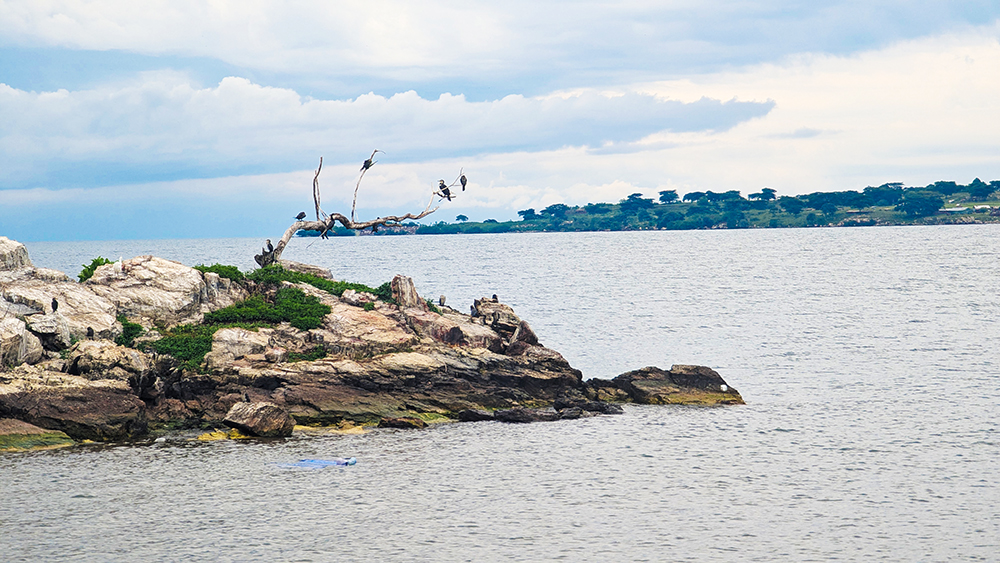
The Ssese Islands are an archipelago of 84 islands scattered across the north-western corner of Lake Victoria, roughly 50 kilometres south-west of Entebbe.
Ssese Islands
The ferry horn sounds somewhere out on Lake Victoria, and for a few minutes the noise of the mainland, the traffic and the deadlines, begins to loosen its grip. Ahead, a low green line of forest rises from the water. This is Bugala, the largest of the Ssese Islands, and for generations it has been a place people travel to in order to put things down.
The Islands of the Gods
The Ssese Islands are an archipelago of 84 islands scattered across the north-western corner of Lake Victoria, roughly 50 kilometres south-west of Entebbe. Together they make up Kalangala District, and they fall into two groups, the Bugala group in the south-west and the Koome group to the north-east, divided by the Koome Channel. Bugala alone accounts for more than half of the archipelago's land area and stretches over 40 kilometres end to end, with the lakeside town of Kalangala serving as its administrative heart.
In pre-colonial Buganda the islands were regarded as sacred, home to shrines and spirits and known as the Islands of the Gods. That reputation lingers in the quiet. The Baganda have lived here for generations, fishing the lake for Nile perch, farming, and welcoming visitors with a hospitality that guides invariably single out. Songs, dances and crafts are part of what you can meet on a village visit, not a staged add-on.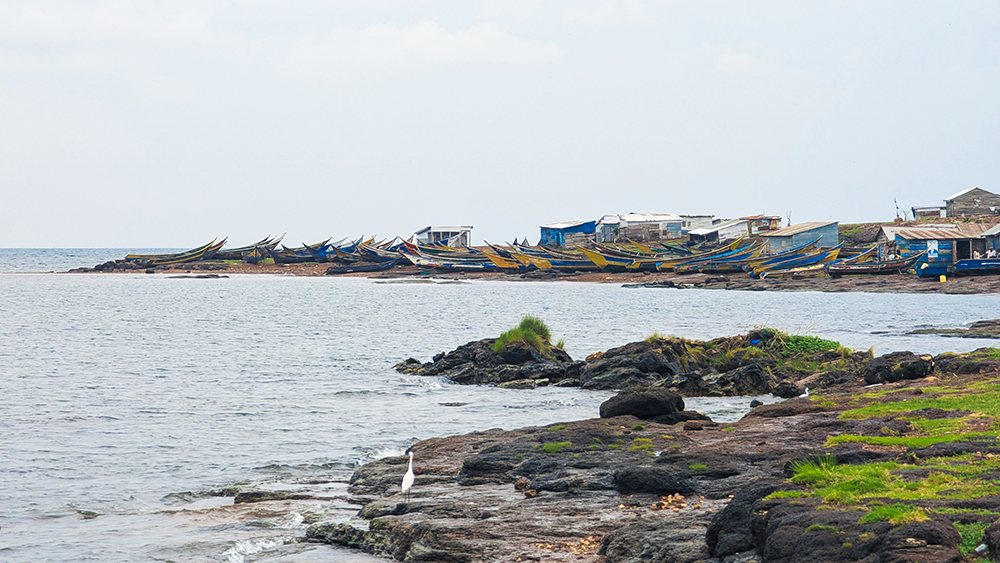
What the Lake Gives You
The draw is simple and genuinely restorative. Long, pale beaches such as Lutoboka and Banda fringe the shoreline, and in places the water is clear enough to see the bottom. Boat cruises slip between smaller islands, anglers troll for Nile perch and tilapia, and quad bikes and cycles carry the more energetic along red-earth tracks through the forest. Nature walks are rewarded with vervet monkeys, bushbuck and black-and-white colobus, while the birdlife is prolific: kingfishers, turacos, fish eagles, and colonies of egrets and cormorants nesting in the trees.
Not everything has been left untouched. A large oil-palm plantation operated by BIDCO covers some 15,000 acres on Bugala and, together with tourism, has reshaped the island economy. A Daily Monitor feature from April 2025 describes how a place once cut off, with poor roads and a single daily ferry on the Bukakata route, has become a thriving destination for domestic and international travellers alike. The trade-off between plantation and pristine shoreline is a live debate on the island, and thoughtful visitors will want to ask about it.
Getting There and Getting Settled
There are three principal routes. The MV Kalangala sails from Nakiwogo, near Entebbe, and takes about three and a half hours to reach Bugala. Those with a vehicle usually drive to Bukakata, in Masaka District, roughly 135 kilometres from Kampala, and take the free car ferry on a crossing of about 50 minutes to Luku. Wooden boats from Kasenyi carry passengers to Banda Island. Weekends and public holidays bring crowds from Kampala, so a midweek visit means emptier beaches and an easier ferry queue.
Accommodation ranges from simple beachfront cottages and campsites to full-service resorts with pools and spas, and the choice has widened steadily as hotel expansion has created local jobs. Prices vary widely by lodge and season, so confirm rates directly. Dry spells, roughly December to February and June to August, make for the most reliable weather and calmest crossings, though the lake can turn choppy at short notice, so check ferry timetables and carry cash, as card facilities are patchy away from the main resorts.
This Week in Ugandan Tourism
29 September to 1 October 2026: Uganda at Oromia Tourism Week. A Ugandan delegation took part in the event at the Ethiopian Skylight Hotel in Addis Ababa under the theme "Digital Innovation for Inclusive Tourism", using virtual reality to preview destinations for Ethiopian and wider East African travellers and exploring regional partnerships and investment. Delegates included Uganda Tourism Association vice-president Isa Kato and representatives of the Ugandan embassy.
1 October 2026: sector turns to AI and digital tools. Uganda Broadcasting Corporation reported that the tourism sector is leaning on artificial intelligence and digital technology to drive growth, in line with the digital-marketing push seen in Addis Ababa. (Only the headline was available at the time of writing.)
Recent figures: a sector back above pre-pandemic levels. The Daily Monitor reports tourism earnings of about US$1.7 billion in 2025, up from US$1.28 billion in 2024, with international arrivals rising from 1.3 million to about 1.65 million. Officials are pursuing "commercial diplomacy", working with embassies and hosting familiarisation trips for delegations from Turkey, Egypt, China and Canada ahead of the Pearl of Africa Tourism Expo, which opened on 22 May 2026.
Gorilla permits: pay up front, and watch for November. Since 1 March 2026, Uganda Wildlife Authority permits must be paid in full at booking. Foreign non-resident permits are priced at US$800, falling to US$600 in the April, May and November low season, a useful saving for travellers planning around next month. Permit prices should always be confirmed with UWA or a licensed operator.
The Last Word
The Ssese Islands will never compete with the gorilla forests for drama, and they do not try to. Their offer is the opposite: a slow afternoon on a quiet beach, a canoe at dusk, fish grilled within sight of the water it came from. In a year when Uganda is reporting record arrivals, they are a reminder that the country's appeal reaches well beyond the safari circuit.



