Written By |
ganda's Ssese Archipelago Offers a Different Kind of Safari — One Measured in Ferry Horns and Lapping Water
Uganda Tourism
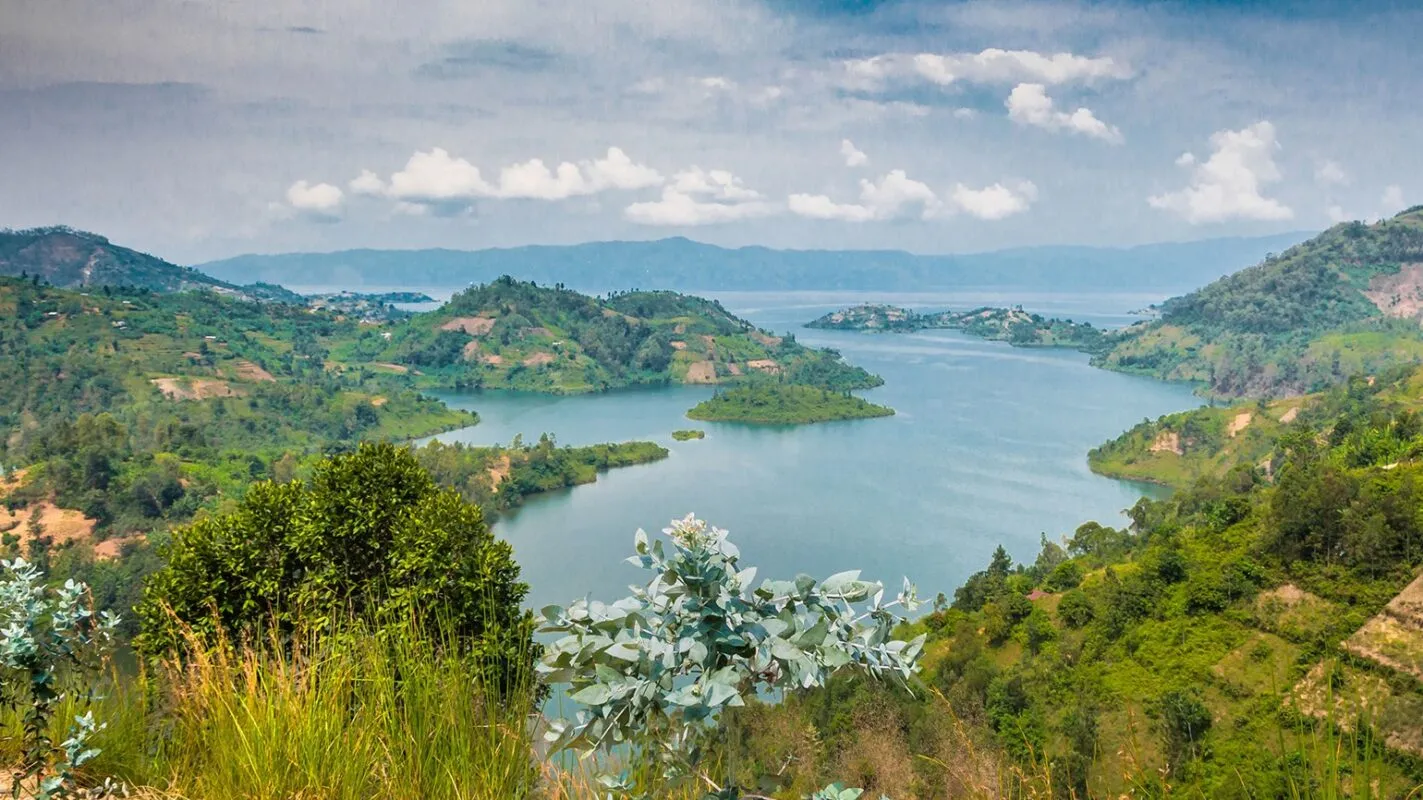
The ferry pulls away from Nakiwogo pier a little after two in the afternoon, and Entebbe's fishing boats and lakeside bars shrink into a green smudge behind the wake. Ahead, across water that stretches to the horizon like an inland sea, lie the Ssese Islands — eighty-four low, forested humps scattered across the northwestern corner of Lake Victoria, most of them uninhabited, all of them quiet in a way that feels almost illicit for a country as loud and green and alive as Uganda. By the time the boat noses into Lutoboka Bay some three and a half hours later, the light has gone gold, fishermen are hauling in nets against a pink sky, and it is easy to understand why Ugandans have long treated Ssese less as a destination than as a secret.
An Archipelago Born of the Rift
Geologists trace the islands' origins back roughly 12,000 years, to tectonic movements along two arms of the East African Rift Valley that raised the land and impounded the waters now known as Lake Victoria, drowning valleys and leaving hilltops stranded as islands. Of the eighty-four, only forty-three are inhabited today, and one dominates the rest: Bugala, at more than 205 square kilometres, is not only the largest of the Ssese group but the tenth-largest lake island on Earth, a genuinely startling statistic for a place most travellers have never heard of.
The name itself carries a darker history. "Ssese" is thought to derive from the tsetse flies that once infested the islands' forests, and between 1902 and 1909 the archipelago suffered one of colonial East Africa's great tragedies: an epidemic of sleeping sickness, or trypanosomiasis, that killed an estimated 17,000 residents and emptied entire villages. The islands were depopulated for years afterward, and that history of isolation — equal parts ecological and epidemiological — helps explain why Ssese still feels so unhurried, so thinly populated, so far from the tour-bus circuit that runs through Uganda's mainland parks.
Beaches, Chimps, and a Slower Kind of Wildlife Watching
What draws visitors now is not drama but decompression. Mutambala Beach, on Bugala, is the archipelago's best-known stretch of sand — golden, gently sloping, and one of the few spots on Lake Victoria considered safe for swimming, since much of the lake's shoreline carries a risk of bilharzia. Sunset boat cruises drift out from the same shores most evenings, fishermen's silhouettes and cormorants providing the scenery. For travellers craving a wildlife encounter without the cost or altitude of gorilla trekking, a half-day trip to Ngamba Island Chimpanzee Sanctuary — a rescue and rehabilitation project established with the Jane Goodall Institute roughly forty-five minutes from Entebbe by boat — offers close, ethically managed viewing and, on some visits, a feeding session as caregivers toss fruit to two dozen or so rescued chimpanzees along the shoreline.
Quieter still is Bulago Island, a private nature reserve whose rocky outcrops and mixed woodland shelter more than 200 recorded bird species alongside black-and-white colobus monkeys, best explored on guided forest walks and hiking trails that rarely see another visitor. Back on Bugala, the menu of things to do reads more like a lakeside resort brochure than a safari itinerary: bicycle and quad-bike rentals for exploring red-dirt tracks between palm and mvule forest, canoe hire, sport fishing for tilapia and the lake's famously oversized Nile perch, village and cultural walks through fishing communities, birding, camping, bonfire evenings, and even a modest nine-hole golf course — reputedly one of the more unlikely fairways in East Africa, carved out of island bush overlooking the water.
Getting There and Settling In
Two gateways serve the islands. From Entebbe, the Nakiwogo ferry terminal connects to Bugala's Lutoboka Bay, historically the more scenic and more popular route for leisure travellers; passenger and vehicle ferries, including the MV Kalangala, typically depart Kalangala for Nakiwogo around 8:00 a.m. and return from Nakiwogo in the early afternoon, with the crossing taking roughly three and a half hours and a snack bar aboard for the ride. A shorter, cheaper crossing operates from Bukakata, near Masaka, for travellers arriving from the southwest. Speedboat charters are also available for those short on time and willing to pay for it, cutting the journey to under an hour.
Accommodation spans the full range of island budgets. Brovad Sands Lodge, on Bugala, is the closest thing the archipelago has to a luxury address, with a swimming pool, Wi-Fi and lake-view rooms; Mirembe Beach Resort and Ssese Habitat Resort offer comfortable mid-range cottages and camping pitches with strong reputations for food and hospitality; and budget travellers gravitate to Hornbill Camp, Panorama Camp and Kingfisher Campsite, simple lakeside setups popular with backpackers and birders. Because Ssese sits outside Uganda's national park system, there is no blanket park entry fee — the main costs are the ferry or speedboat crossing, accommodation, and activity-specific charges such as the Ngamba Island Chimpanzee Sanctuary admission, which travellers should confirm directly given periodic rate changes.
The best window to visit runs through Uganda's two dry seasons, roughly December to February and June to August, when lake crossings are calmer and island trails stay firm underfoot; the long rains of March through May can make both the ferry crossing and Bugala's dirt roads considerably rougher going, though the islands' lush, green low season has its own quiet appeal for travellers who don't mind a shower or two.
This Week in Ugandan Tourism
Gorilla permit prices rise (effective July 1, 2026): Uganda Wildlife Authority's new pricing took hold this month — a standard gorilla trekking permit now costs $800 for foreign non-residents and $700 for foreign residents, while the intensive Gorilla Habituation Experience jumped to $1,800 for foreign non-residents, part of a broader repositioning of Uganda's flagship wildlife product.
Full payment now required upfront (since March 1, 2026): Tour operators can no longer hold gorilla permits without payment; full settlement is required at time of booking, a procedural tightening aimed at reducing speculative reservations during peak trekking months.
Roc Nation delegation tours Uganda ahead of AFCON 2027 (July 2–5, 2026): A high-level Roc Nation Sports International delegation led by president Michael R. Yormark landed in Entebbe for a destination site inspection, part of Uganda Tourism Board's push to raise the country's profile ahead of co-hosting the 2027 Africa Cup of Nations.
UTB courts African travel trade in Zambia (June 27–July 1, 2026): Board chairperson Pearl Hoareau Kakooza led Uganda's delegation to the AESATA Travel Agents' Conference in Livingstone, themed "Africa in Motion," networking with over 800 delegates from 22 African countries to push intra-continental travel to Uganda.
Low-season gorilla discounts still on the table for April, May and November: Travellers willing to trek during Uganda's quieter, wetter months can still secure permits at $600 (foreign non-resident) or $500 (foreign resident), a standing incentive UTB continues to promote as it works to spread visitor demand more evenly across the calendar.



