Written By | Staff Writer
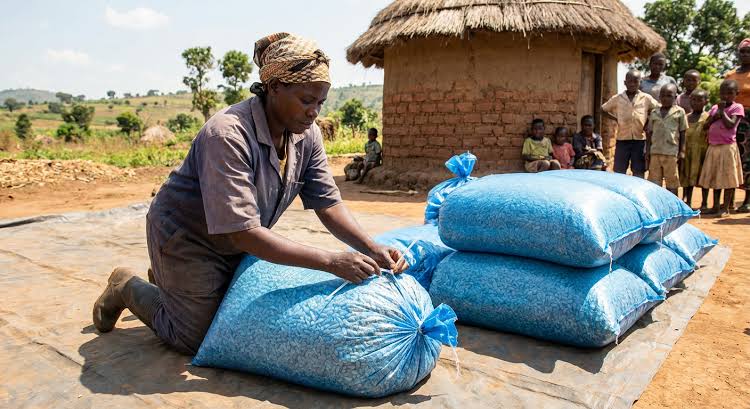
Maize is fetching as little as Shs800 a kilogramme in eastern Uganda as the first-season harvest floods markets. Consumers and exporters are winning; farmers without storage are selling at a loss — again.
Agriculture
Across Uganda’s grain belts, the trucks are full and the prices are falling. Volumes of freshly harvested maize from the first season of 2026 have been pouring into markets from major production areas, and the weight of all that grain is pressing prices downward in both the central and eastern regions, according to the June 2026 market intelligence report from Farmgain Africa, which tracks commodity trading centres across the country.
The numbers tell the story of a classic harvest glut. In the mid-western districts of Hoima, Kiboga and Kyankwanzi, farm gate prices for maize have declined sharply to about Shs900 per kilogramme. In the Busoga sub-region of eastern Uganda — specifically Iganga-Bugweri — maize is being offered at Shs800 per kilogramme, reflecting the sheer volume of produce arriving from surrounding growing zones. Even in Kampala’s Kisenyi grain market and Iganga town council, new-season maize is trading at just Shs1,100 per kilogramme. For comparison, as recently as March, wholesale maize in Kampala was trading at Shs1,300–1,370 per kilogramme as traders anticipated the planting season.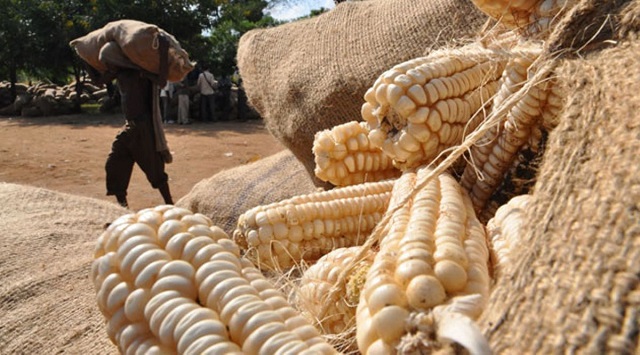
Why the bottom fell out
Ironically, the price slump is the product of a good season. Farmgain’s analysts note that overall production this season is estimated to have improved on 2025, thanks largely to favourable rainfall between February and April 2026 that supported effective germination and crop development across the major maize-growing areas. A dry spell in April and May moderated yield gains in some localities — and may still affect the tail end of the harvest — but not by enough to prevent supply from overwhelming demand once harvesting began in earnest.
The glut is not confined to maize. Newly harvested beans are arriving on the market in better condition than usual, with improved moisture content across all varieties, and wholesale prices for Yellow and Nambale beans have eased to between Shs2,200 and Shs2,500 per kilogramme. Supply is projected to remain robust through July. Red Beauty groundnuts have softened to Shs4,500 per kilogramme on increased deliveries from Busoga. Irish potatoes from Mbale-Wanale, Kapchorwa, Kabale and Kabarole have arrived in Kampala in such volumes that they have displaced the imports from Naivasha, Kenya, that previously filled supply gaps in the Kisenyi-Bumonde market.
Then there is the matooke effect. An abundant supply of cooking bananas from the Greater Mbarara region has flooded Kampala and surrounding peri-urban centres, driving retail prices down across the board. Cheap matooke is doing something subtle to the grain market: as households shift to the suddenly affordable staple, demand for maize flour is slackening — a substitution effect that Farmgain expects to persist for as long as matooke supplies remain elevated. Falling demand for flour, in turn, removes one of the props under the maize price.
Winners and losers
For urban consumers, this is unambiguously good news. Cheaper maize flour, beans, potatoes and matooke ease pressure on household budgets at a time when fuel costs — pushed up by the Middle East conflict and maritime disruptions through the Strait of Hormuz, as Farmgain’s May outlook documented — have been feeding into the cost of living. Food carries a heavy weight in Uganda’s consumer price index, so a well-supplied food market is also a gift to the central bank’s inflation management.
For processors, millers and institutional buyers, low farm gate prices mean cheap raw material and fatter margins. For the region’s grain traders, Uganda’s surplus is an export opportunity: at the Busia border hub, accumulated bean stocks are being channelled to Kenya and beyond, reinforcing Uganda’s position as the region’s reliable net exporter of legumes and staples. Ugandan grain routinely feeds demand in Kenya, South Sudan and the Democratic Republic of Congo, and the wide spread between Ugandan farm gate prices and regional market prices is precisely what makes that trade profitable.
The losers are the people who grew the crop. A farmer in Iganga selling at Shs800 per kilogramme is often selling below the full cost of production once seed, fertiliser, pesticides, labour and land rent are counted — input costs that have risen, not fallen, over the past year. The pattern is painfully familiar. In the 2025 season, farmers in the greater Kibaale region watched prices collapse from the Shs900–1,000 range to as low as Shs500–700 per kilogramme at the peak of harvest; farmers interviewed then described being unable to repay bank and cooperative loans, pay school fees or justify replanting, while middlemen with transport and cash bought low and captured the margin. “I had nowhere to store the maize. If I had kept it, it would have spoiled,” one Kibaale farmer told reporters at the time — a sentence that could be spoken in any grain district this month.
The storage gap at the heart of the problem
The recurring crash is, at bottom, a storage and finance problem rather than a production problem. Most smallholders cannot hold grain past harvest: they lack driers, silos or warehouse access, and they harvest at exactly the moment when school fees and loan repayments fall due. So they sell wet, early and cheap — into the seasonal trough. Traders and processors with storage then carry the grain into the lean months, when prices routinely rise by 30 to 50 percent, and capture the seasonal premium that could have gone to farmers. Warehouse receipt systems, village aggregation stores and hermetic storage bags all exist in Uganda, but coverage remains a fraction of what the harvest requires.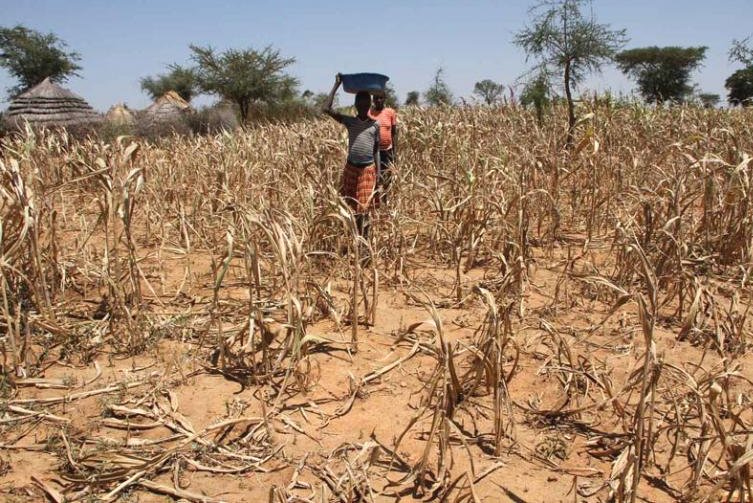
That is why the storage line in the new national budget matters. The Shs2.2 trillion agro-industrialisation allocation for the 2026/27 fiscal year — the largest ever — explicitly includes post-harvest handling and storage among its priorities, alongside agro-processing and market access. If even part of that money builds functioning aggregation and storage capacity in places like Iganga, Hoima and Kiboga before the second-season harvest arrives late in the year, it would do more for farm incomes than any price appeal. Farmers themselves are adapting in the meantime: those interviewed in past gluts consistently point to diversification — into beans, which hold their price better, or intercropping — as their private insurance against a one-crop market.
The outlook
In the near term, the direction of travel is set: harvesting continues, matooke remains abundant, and Farmgain projects strong supply of most staples through July. Prices are unlikely to recover meaningfully until the market works through the first-season surge — or until regional export demand, particularly from Kenyan buyers at Busia and cross-border traders serving South Sudan, absorbs the surplus. The April–May dry spell is the wild card: if it trimmed late-planted fields more than currently estimated, the second half of the harvest could be lighter, putting a floor under prices sooner than traders expect.
The deeper question is whether Uganda treats this glut as weather or as warning. A country that wants to move 15 million people from subsistence into commercial farming cannot keep asking its farmers to sell their best harvests at their worst prices. Until storage, aggregation and crop finance reach the farm gate, every good season will keep producing the same paradox: full granaries, cheap food — and poorer farmers.