Written By |
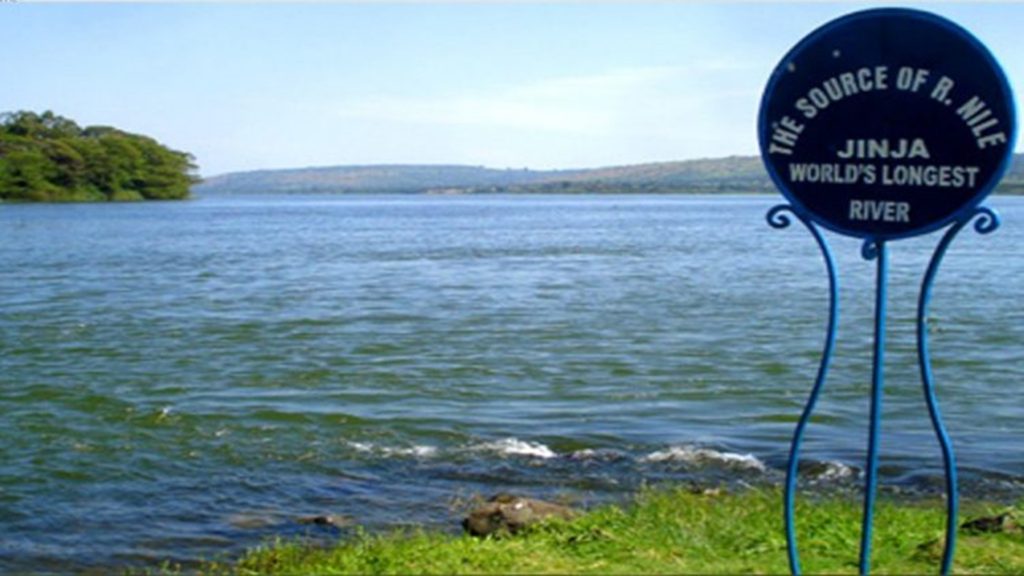
The hunt for the Nile's origin consumed European exploration for the better part of a century, tangled up with the ambitions of empire and the egos of men like Richard Burton, John Hanning Speke, and David Livingstone
Uganda Tourism
Eighty kilometers east of Kampala, where Lake Victoria narrows into a churning ribbon of white water, the Nile River takes its first breath. There is no dramatic waterfall marking the spot anymore, no single cinematic gush that explorers once dreamed of finding — just a wide, glassy expanse of river sliding north with quiet, unstoppable purpose, past fishermen paddling dugout canoes and past young men bracing rubber rafts against Grade 5 rapids downstream. This is Jinja, the town Ugandans still call the "Source of the Nile," and for more than two decades it has doubled as East Africa's undisputed adventure capital. On a dry, breezy morning in early August, with peak season in full swing, the riverbanks hum with the particular energy of a place that has turned geography into an economy: guides checking harnesses, boda-boda drivers ferrying rafters to put-in points, and tourists leaning over the railing at the source itself, trying to decide whether the water really does look different here than anywhere else on its 6,500-kilometer journey to the Mediterranean.
A River With a Hundred-Year Mystery
The hunt for the Nile's origin consumed European exploration for the better part of a century, tangled up with the ambitions of empire and the egos of men like Richard Burton, John Hanning Speke, and David Livingstone. It was Speke who, in 1862, stood on the shores of Lake Victoria near present-day Jinja and declared the mystery solved, a claim that took years and considerable acrimony to be vindicated. Today the spot where he stood has been folded into a small landscaped park, its gardens and viewing platforms overlooking the point where the lake's outflow gathers itself into a river. A stone monument and a bust of Mahatma Gandhi, whose ashes were partly scattered here in accordance with his wishes, mark the site alongside plaques commemorating the Victorian-era expeditions. It is a modest, contemplative place, popular with boat operators who ferry visitors out to a rocky island said to mark the exact source, where the upwelling of water is still visible bubbling from below.
The real spectacle, though, lies a short drive downstream at Bujagali, a stretch of river that made Jinja's name. The falls that once tumbled here were submerged when the Bujagali hydroelectric dam was completed in 2012, but the rapids reasserted themselves further along the river, and by the early 2000s outfitters had built a booming whitewater industry on runs classified between Grade 3 and Grade 5 — serious, technical water that draws paddlers from around the world without ever feeling inaccessible to first-timers riding along with a professional crew. A bungee operation cantilevers jumpers off a steel platform above the gorge, quad bikes and horses work the trails along the riverbank, and gentler sunset cruises drift out onto Lake Victoria for travelers who would rather watch the light change over the water than fight through it. Around the town itself, colonial-era streets, a lively central market, and cafés built for the backpacker crowd give Jinja a texture very different from Uganda's forest and savanna parks — this is where safari-goers come to decompress, and where the Nile, rather than wildlife, is the main attraction. Thirty-five kilometers to the west, the Mabira Forest Reserve offers a half-day detour for chimpanzee tracking and birding for those who want a taste of rainforest before heading back to Kampala or on to the parks further afield.
Planning a Visit
Jinja sits roughly two hours by road from Entebbe International Airport, a manageable transfer that has made the town a natural first or last stop on Uganda itineraries built around gorilla trekking or savanna safaris further west. Entebbe itself has been undergoing infrastructure upgrades this year aimed at smoothing arrivals during the country's busiest travel months. A full day of whitewater rafting, including lunch, safety equipment, and transport from Jinja, runs about $125 per person, while a half-day option covering the Grade 3 and 4 rapids costs roughly $70. Bungee jumping is priced at around $115 for foreign visitors. None of the river activities require advance booking months out the way gorilla permits do, which makes Jinja a useful pressure valve for travelers assembling a Uganda itinerary on shorter notice. The river runs year-round, but the driest stretches from June through September and again from December through February bring the most reliable conditions and the busiest crowds, so operators recommend booking rafting slots a few days ahead during August. Accommodation ranges from budget backpacker lodges clustered near the rapids to riverside boutique properties like Wildwaters Lodge, set on its own island mid-river, offering a quieter, more upscale base for exploring the source.
This Week in Ugandan Tourism
Uganda's tourism sector has had an unusually newsy few weeks. On August 3, Uganda's embassy in Moscow, led by Ambassador Moses Kizige, announced an intensified promotional push aimed at Russian travelers, part of a broader strategy to diversify the country's source markets beyond its traditional European and North American base. That campaign lands against an optimistic backdrop: the Uganda Tourism Board is projecting around 1.5 million international arrivals for 2026, a figure officials say could contribute roughly UGX 4.8 trillion to the national economy, helped along by Uganda Airlines' new direct route between Entebbe and London Gatwick, which opened up a more seamless link to the UK market this year.
On the conservation side, the Uganda Wildlife Authority unveiled a 2026–2030 strategic roadmap on June 30, committing to heavier use of drones, forensic science, and GIS mapping in anti-poaching work, alongside a stated push to deepen partnerships with communities living around protected areas. Days later, UWA renewed its concession agreements with Marasa Africa for another 30 years, keeping the operator in charge of three of the country's most storied safari lodges — Paraa and Chobe in Murchison Falls National Park, and Mweya in Queen Elizabeth National Park — a signal of confidence in long-term demand even as new park tariffs took effect on July 1. And here in Jinja, organizers have confirmed that Nyege Nyege, the electronic and alternative music festival that has become one of the continent's most talked-about cultural exports, will return for its eleventh edition from November 19 to 22 at Kalagala Falls on the Nile, promising more than 300 artists across seven stages — a reminder that the river town's identity now stretches well beyond whitewater, into music, art, and an increasingly international nightlife scene that keeps visitors lingering long after the rafts come out of the water.



