BUSINESS AND ECONOMY
A uniform 35 per cent rate replaces the per-kilogramme levy on imported textiles and garments while a committee designs a lasting regime — a reprieve that lands as businesses also absorb sharply higher borrowing costs.
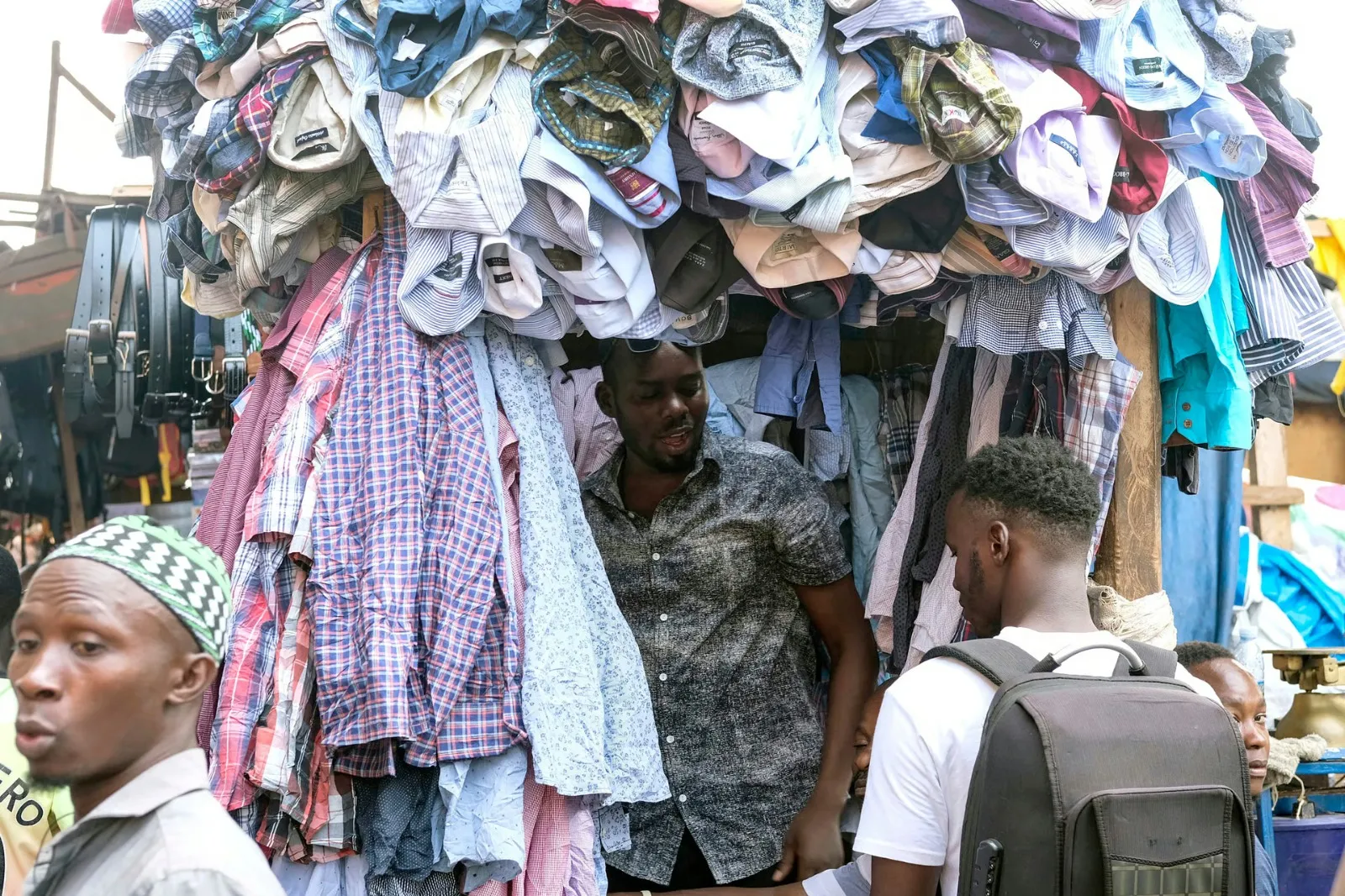
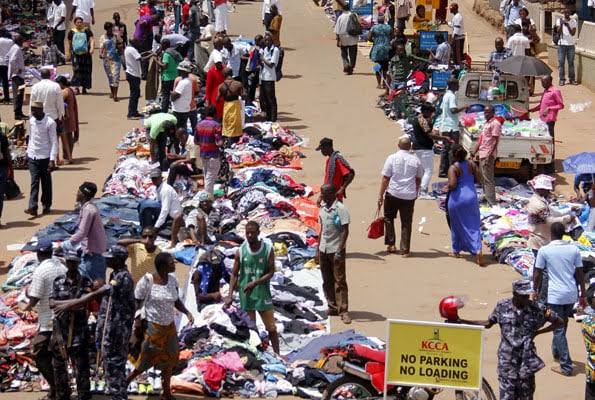
President Yoweri Museveni has ordered a three-month suspension of the weight-based tax on imported textiles and garments, ending a standoff that shut much of downtown Kampala last week. During the suspension, the Uganda Revenue Authority (URA) will apply a uniform 35 per cent rate on the goods, in line with taxation in other East African Community (EAC) states.
Prime Minister Robinah Nabbanja relayed the Cabinet and presidential decisions to traders' leaders at the Office of the Prime Minister in Kampala on Wednesday, November 25, following a Cabinet meeting earlier in the week. URA Commissioner General John Musinguzi Rujoki said the authority was ready to implement the directive immediately, allowing traders to clear goods that had been held in warehouses and in Kenya.
Traders' leaders called the move a "Christmas gift to the business community" and a "timely intervention," according to Radio Sapientia. It gives them a three-month window to import stranded merchandise and pay the applicable tax while government works on a permanent solution.
How the strike unfolded
Shops in Kampala's central business district closed on Tuesday, November 17, in a sit-down strike led by the Kampala City Traders Association (KACITA) and the Federation of Uganda Traders Associations (FUTA). Closures were reported at locations including Mini Price, Qualicel Bus Terminal, Kampala Road, Park View Arcade and Nabugabo Road.
Traders' grievances went beyond a single levy. They objected to textile import taxes assessed by weight rather than value, the Electronic Fiscal Receipting and Invoicing Solution (EFRIS), customs clearance delays, enforcement raids and seizures — particularly of goods coming through Kenya — and income tax assessments for informal businesses that factor in the rent they pay. FUTA president John Kabanda told Parliament's trade committee that some containers had been held by URA for months, and some for almost a year.
Joint meetings between traders, ministries and URA on November 17 and 18 identified the textile and garment tax policy as the core dispute. On November 19, Ms Nabbanja told Parliament that President Museveni had asked traders to suspend the strike while the policy went through Cabinet and Parliament. Government also directed URA to release goods belonging to compliant traders within three days, and announced an inter-agency revenue harmonisation committee chaired by the Prime Minister. "We do not want a repeat of strikes in the city," Ms Nabbanja said.
Traders reopened after the government pledged a review. "We have agreed to reopen our shops as we follow up on the commitments made," Mr Kabanda said. KACITA chairperson Issa Ssekito was more guarded: "We shall wait a little longer and see what comes out of the engagements."
URA's position
The tax authority has defended its approach. Mr Musinguzi said weight-based assessment is prescribed by law, so changing it requires action by lawmakers, The Observer reported. URA alleges that some container dealers submit false invoices, under-declare import values and abandon goods when asked to pay the correct amount, and government has said some traders evade taxes by offloading in Kenya and bringing goods into Uganda by bus as small cargo. URA has advised importers to obtain individual house bills of lading and deal directly with customs rather than through intermediaries.
A recurring pattern
This is not the first such shutdown. Kampala traders staged similar protests in April and July 2024 and in August 2025, typically ending with a presidential intervention and a promise of review. Critics argue that the cycle reflects the absence of a standing channel between traders, URA and government. Ms Nabbanja herself acknowledged to Parliament that "there has been no link between the traders, URA and government."
The opposition Forum for Democratic Change (FDC) has used the moment to demand a broader overhaul. FDC vice chairperson Robert Centenary Franco called for a comprehensive review of the tax regime — including import and excise duties, VAT, mobile money levies, rental income taxes and the recent Shs200-per-litre excise increase on petrol and diesel — along with EFRIS reforms and a permanent consultation mechanism. "You cannot tax businesses to death and then expect an economy to grow," he said. The FDC noted that URA collected about Shs36.01 trillion in 2025/26 against a target of Shs36.74 trillion, a shortfall of roughly Shs727 billion.
The bigger squeeze: interest rates
The tax relief arrives as businesses face sharply higher financing costs. In October, the Bank of Uganda raised its Central Bank Rate to 12 per cent from 9.75 per cent at a special meeting. On November 9 it held the rate at 12 per cent but widened the corridor around it to plus or minus three percentage points, setting the rediscount rate at 16 per cent and the bank rate at 17 per cent — effectively making it more expensive for commercial banks to borrow from the central bank.
Adam Mugume, the bank's executive director for research, said banks borrowing from the central bank would do so "at a penalty," and that the bank would tighten further if core inflation approached 7 per cent and headline inflation hit double digits. The bank raised its 12-month core inflation forecast to 6.0–6.5 per cent, projected headline inflation at 7.5–8.0 per cent, and cut its 2026/27 growth forecast to 5.5–6.0 per cent, citing higher oil prices, a worsening current account deficit and a weaker shilling.
Commercial lenders have followed. Absa raised its shilling prime rate to 21.75 per cent from 19.5 per cent on November 1, and Stanbic and dfcu announced increases to 21.75 per cent and 22.0 per cent respectively, effective December 1. For import-dependent traders already carrying stock stuck at customs, the combination of costlier credit and tax uncertainty has been especially punishing.
Why it matters
Kampala's textile and garment trade is a major source of employment and livelihoods in the city, and repeated shutdowns ripple out to employees, suppliers, transporters and customers. Government, meanwhile, is under pressure to raise revenue to meet collection targets and service rising debt costs. The three-month suspension buys time but does not settle the underlying tension between revenue mobilisation and a business community that says the tax system is unpredictable and punitive.
What to watch next
A committee led by the Ministry of Trade, Industry and Cooperatives, working with the Ministry of Finance, is to research and recommend a sustainable tax framework for the sector, with harmonisation with EAC partners a stated goal. Key questions include whether any permanent change goes to Parliament as an amendment, how quickly URA clears the backlog of held consignments, whether the separate complaints over EFRIS and rent-based income assessments are addressed, and what happens when the three-month window closes — around late February 2027 if it is counted from this week's directive; no exact end date has been published. The Bank of Uganda's next policy decisions — and whether it carries out its warning to tighten further — will shape how much breathing room traders really have.
Published By | Business News Editor