Written By | Health News Agencies
After 20 years with no new second-line option, patients with advanced GIST get EKITNA — a pill that nearly doubles the time before the cancer advances when paired with the old standard
CANCER BREAKTHROUGH
Health
For two decades, patients with a rare and stubborn cancer of the digestive tract have faced the same grim playbook. When the first drug stops working, doctors reach for the second. When that one fails, options run thin fast.
This week, that playbook was torn up. On November 24, 2026, the U.S. Food and Drug Administration approved bezuclastinib — to be sold under the brand name EKITNA by Massachusetts-based Cogent Biosciences — in combination with the long-standing drug sunitinib, for adults with advanced gastrointestinal stromal tumors (GIST) who have previously been treated with imatinib.
The approval is based on the international Phase 3 PEAK trial, in which the two-drug combination cut the risk of the cancer progressing or killing patients by 50% compared with sunitinib alone. Patients on the combination went a median of 16.5 months before their disease advanced, compared with 9.2 months on the old standard.
"With today's FDA approval of bezuclastinib in combination with sunitinib, we have a new standard of care treatment following imatinib for patients with GIST," said Dr. Andrew J. Wagner, deputy chief medical officer and senior physician at the Center for Sarcoma and Bone Oncology at Dana-Farber Cancer Institute in Boston, which led the study.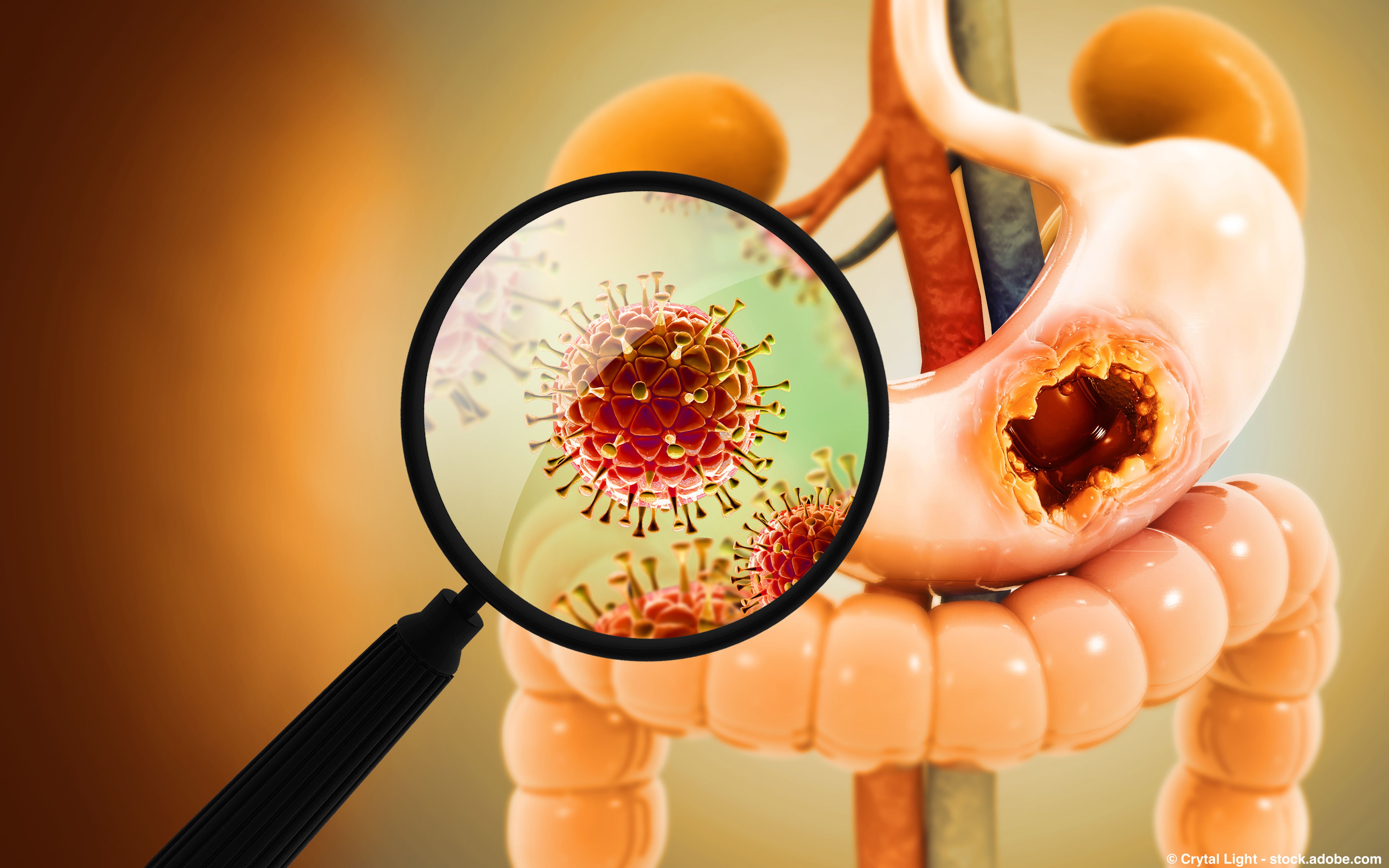
What Is GIST — and Why Is It So Hard to Beat?
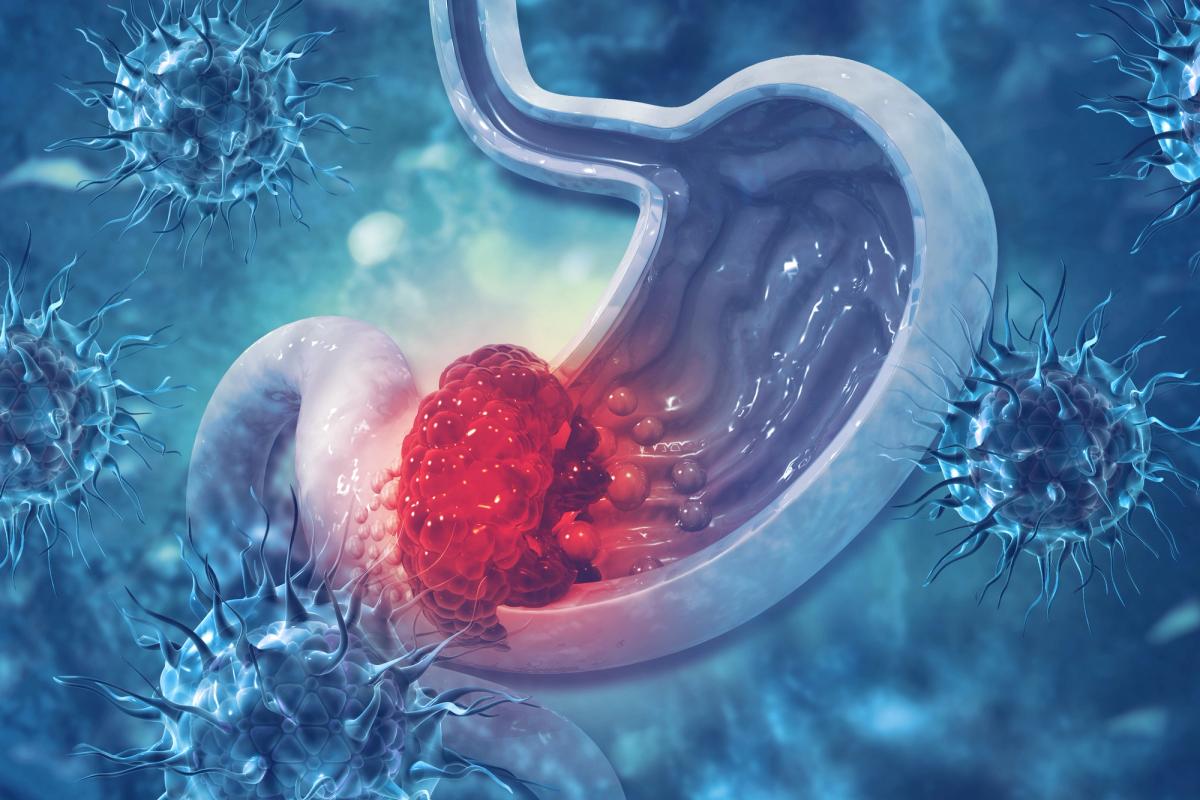
Gastrointestinal stromal tumors are rare. They are diagnosed in 4,000 to 5,000 people in the United States each year, according to Dana-Farber. They most often grow in the stomach and small intestine, arising from specialised cells in the wall of the gut.
Most GISTs are driven by a faulty gene called KIT. Mutations in KIT are found in roughly 80–85% of cases, and in another 5–10% of tumours a related gene called PDGFRA is to blame. These mutations jam the cell's growth signals in the "on" position, fuelling relentless tumour growth.
At the turn of the century, GIST became one of the great success stories of targeted cancer therapy. Imatinib — the drug famous for transforming chronic myeloid leukaemia — turned out to block mutant KIT, and it remains the first-line treatment for advanced GIST today.
But cancer evolves. Over time, tumours develop new, "secondary" KIT mutations that let them escape imatinib. When that happens, doctors have turned to sunitinib, a drug that blocks a different set of KIT mutations. Sunitinib has been the second-line standard "for about 20 years," Dr. Wagner said. The problem is that no single drug covers the full range of mutations a patient's tumour may develop. Shut down one escape route, and the cancer finds another.
The Two-Pronged Attack
That is where bezuclastinib comes in. The drug is a selective inhibitor designed to block common primary and secondary resistance mutations in KIT — including mutations that sunitinib does not cover well. Pairing the two drugs is meant to close more of those escape routes at the same time. "The PEAK study results support the biologic rationale that more complete inhibition of the spectra of KIT mutations in a given patient can provide better and more durable outcomes than using a single drug," Dr. Wagner said.
The PEAK trial put that idea to the test. Researchers enrolled 413 adults with locally advanced, unresectable or metastatic GIST whose disease had progressed on imatinib, or who could not tolerate it. Patients were randomly assigned to bezuclastinib plus sunitinib, or to sunitinib alone.
The Results: Twice as Long, and Tumours That Shrink
The main goal of the trial was progression-free survival — how long patients lived without their cancer growing — as judged by blinded independent reviewers. The combination delivered a median progression-free survival of 16.5 months, compared with 9.2 months for sunitinib alone. That corresponds to a hazard ratio of 0.50 (95% confidence interval 0.39–0.65; p<0.0001) — statistically, a halving of the risk of progression or death at any point in time.
Tumours shrank, too. Among patients whose cancer had become resistant to imatinib, 46% on the combination saw their tumours respond, compared with 26% on sunitinib alone.
Overall survival — the gold-standard question of whether patients live longer — is still immature. In other words, not enough time has passed to say for certain, and those data will be closely watched. The results were first reported in November 2025 and presented in full as an oral presentation by Dr. Wagner at the American Society of Clinical Oncology (ASCO) annual meeting on May 30, 2026.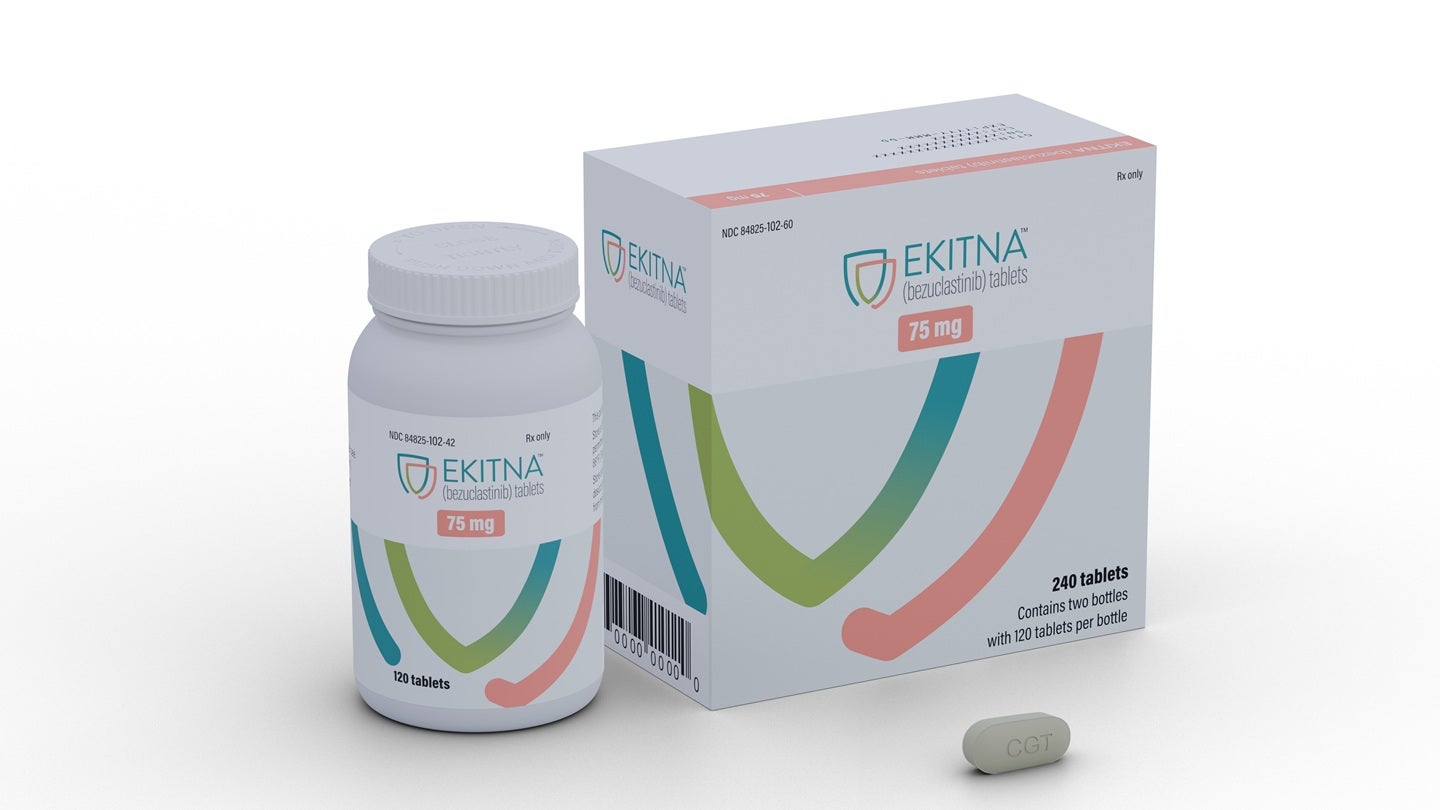
The Side Effects: What Patients Should Know
Adding a second cancer drug means adding side effects, and doctors will need to watch patients closely.
According to the company's data from the trial, the rates of the most serious (grade 3 or higher) side effects were broadly similar between the two arms for many problems. High blood pressure affected 29.4% on the combination versus 27.4% on sunitinib; neutropenia (low white blood cell counts) 15.2% versus 15.4%; and diarrhoea 7.8% versus 7.2%.
The biggest difference was the liver. Serious rises in liver enzymes (ALT/AST) were seen in 10.8% of combination patients compared with 1.4% on sunitinib alone. Anaemia was also more common, at 9.3% versus 4.8%. Liver-enzyme elevations led to bezuclastinib dose reductions in 12.7% of patients on the combination, though only three patients (1.5%) stopped bezuclastinib because of them. The company reported no grade 4 liver-enzyme elevations, and all grade 3 cases resolved.
Overall, 7.4% of combination patients stopped treatment because of treatment-related side effects, compared with 3.8% on sunitinib. Reports on the approval indicate the label carries a boxed warning for liver toxicity, with liver tests required before and during treatment, as well as warnings about harm to an unborn baby. Other common side effects include diarrhoea, high blood pressure, nausea, fatigue and changes in taste.
Fast-Tracked Through Washington
The FDA moved quickly. The agency had already granted the combination Breakthrough Therapy Designation and reviewed it under its Real-Time Oncology Review programme. In May 2026, Cogent announced that the FDA had accepted its application with Priority Review and set a target decision date of November 30, 2026. The agency said it did not plan to hold an advisory committee meeting. In the end, the approval arrived six days early.
On a call with investors on the morning of the approval, Cogent chief executive Andrew Robbins and chief commercial officer Cole Pinnow outlined the company's U.S. launch plan, including a patient support programme called Cogent Connect to help patients access the drug. Chief medical officer Jessica Sachs walked through the clinical data. The company said it expects the combination to become the standard of care in second-line GIST. Pricing was not disclosed in the reports reviewed for this article.
Cogent has also been developing bezuclastinib in systemic mastocytosis, a rare disorder driven by a KIT mutation called D816V, and has said it is preparing for launches in both diseases.
Expert Perspective
For GIST specialists, the approval is the end of a long wait. "This approval represents a major step forward for the GIST community," Dr. Wagner said. "It is exciting to see this combination replace sunitinib alone."
The significance goes beyond one rare cancer. The PEAK trial is a real-world test of a big idea in oncology: that tumours escape targeted drugs by building up a patchwork of resistance mutations, and that hitting several of those mutations at once can hold the cancer back longer than hitting them one at a time. If the strategy holds up, it could shape how doctors think about drug combinations in other mutation-driven cancers.
There are still open questions. Doctors will want to see whether the gain in progression-free survival translates into longer lives. They will need to manage the extra liver side effects carefully. And patients and insurers will be watching how much the new combination costs.
What This Means for You
If you or a loved one has advanced GIST and your cancer has grown despite imatinib — or you could not tolerate imatinib — this approval may give you a new option to discuss with your oncologist.
Ask your doctor whether bezuclastinib plus sunitinib is right for your situation, and how it compares to other options. Ask about the mutation profile of your tumour; knowing whether your GIST is driven by KIT or PDGFRA can make a difference to which drugs are likely to work.
If you start the combination, expect regular blood tests to monitor your liver, and keep an eye on your blood pressure. Report diarrhoea, unusual tiredness, yellowing of the skin or eyes, or dark urine to your care team promptly. Women who could become pregnant should discuss contraception, because the drug can harm an unborn baby.
And if cost or insurance is a concern, ask about the company's patient support programme before you start.
The Bottom Line
For 20 years, the second step in treating advanced GIST hasn't changed. As of this week, it has. By pairing a new, precisely targeted pill with a tried-and-tested one, doctors at Dana-Farber and around the world have shown they can keep this rare cancer at bay for nearly twice as long, and shrink tumours in almost half of patients. It is not a cure, and the side effects demand care. But for the thousands of Americans living with GIST, it is the clearest sign in a generation that the fight is moving forward. "We have a new standard of care," Dr. Wagner said. For patients who have been waiting, those may be the most important words of the year.